Environmental News: New Federal Initiatives Targeting Climate Change Resilience Across the U.S. for the Next Decade
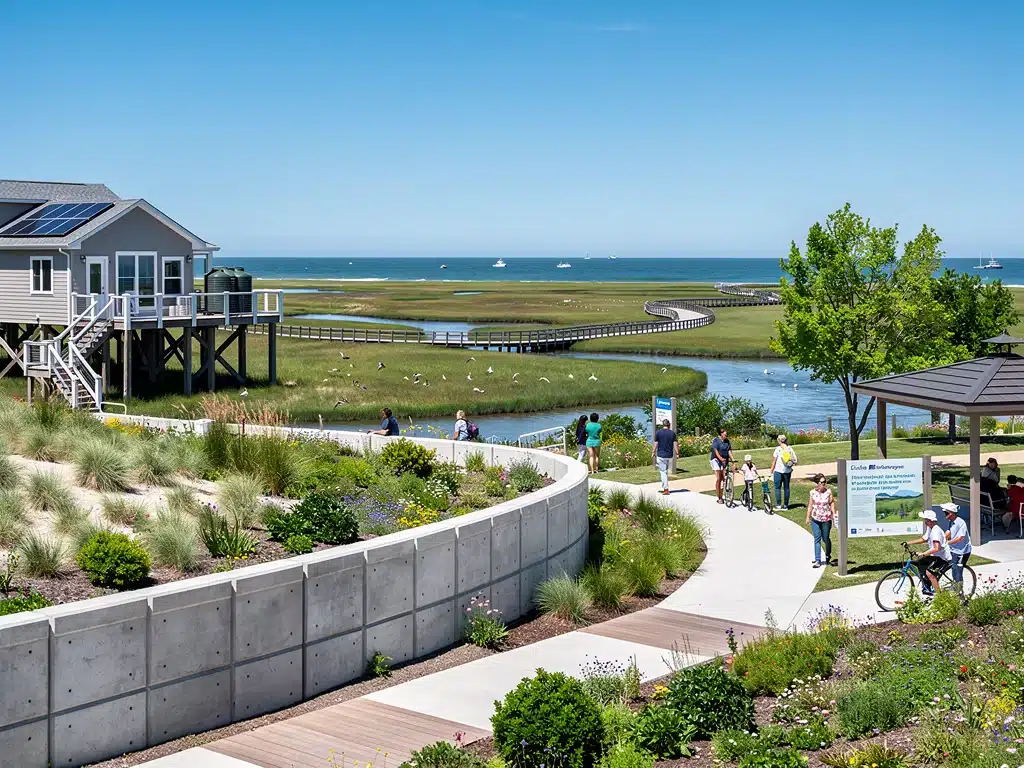
Are you curious about how new national funding programs will shield your local community from extreme weather and environmental threats? Landmark federal funding dedicated to nationwide Climate Resilience is unlocking billions for regional infrastructure upgrades and disaster mitigation over the next decade.
These sweeping governmental grants target vulnerable coastlines, grid stability, and urban flood protection through long-term environmental adaptation projects.
By fortifying critical infrastructure and restoring natural ecosystems, these multi-agency programs aim to minimize economic loss and safeguard high-risk regions.
We break down the key grant allocations, agency timelines, and state-by-state funding distributions driving this ten-year policy framework. Read on to discover how federal sustainability investments are transforming community safety across the nation.
Understanding the New Federal Climate Resilience Initiatives
The U.S. federal government has officially launched an ambitious set of programs aimed at bolstering climate change resilience across the nation. These initiatives are not merely reactive but are designed to proactively integrate climate considerations into long-term planning and development.
This strategic shift acknowledges the escalating threats posed by extreme weather events, rising sea levels, and other climate-induced challenges. The goal is to build stronger, more adaptable communities and critical infrastructure capable of enduring future environmental shifts.
The commitment spans various agencies, signaling a unified federal approach to a complex and multifaceted problem. Stakeholders from state and local governments, private industry, and environmental groups are now preparing to engage with these new directives and funding opportunities.
Key Pillars of the Resilience Strategy
The new federal strategy rests on several foundational pillars, each addressing a distinct aspect of climate resilience. These include investments in infrastructure, ecosystem restoration, and advanced climate data and forecasting capabilities.
Significant emphasis is placed on equitable distribution of resources, ensuring that vulnerable communities, often disproportionately affected by climate impacts, receive adequate support. The initiatives also promote innovative technologies and nature-based solutions.
- Infrastructure Modernization: Upgrading roads, bridges, power grids, and water systems to withstand extreme weather.
- Ecosystem Restoration: Protecting and restoring wetlands, forests, and coastal habitats for natural defenses.
- Community Preparedness: Enhancing local emergency response and long-term adaptation planning.
- Data and Science: Investing in improved climate modeling, monitoring, and early warning systems.
Funding and Allocation for Resilience Programs
A substantial financial commitment underpins the new federal initiatives targeting climate change resilience across the U.S. for the next decade. Billions of dollars have been allocated through various federal agencies, including FEMA, NOAA, and the Department of Energy.
These funds are earmarked for a diverse range of projects, from large-scale infrastructure upgrades to smaller, community-led adaptation efforts. The allocation strategy aims to address both immediate vulnerabilities and long-term systemic risks across different regions.
The funding mechanisms include grants, loans, and direct investments, designed to incentivize state and local governments, as well as private entities, to participate actively in resilience-building. Transparency and accountability in spending are paramount to the success of these programs.
Regional Impact and Prioritization
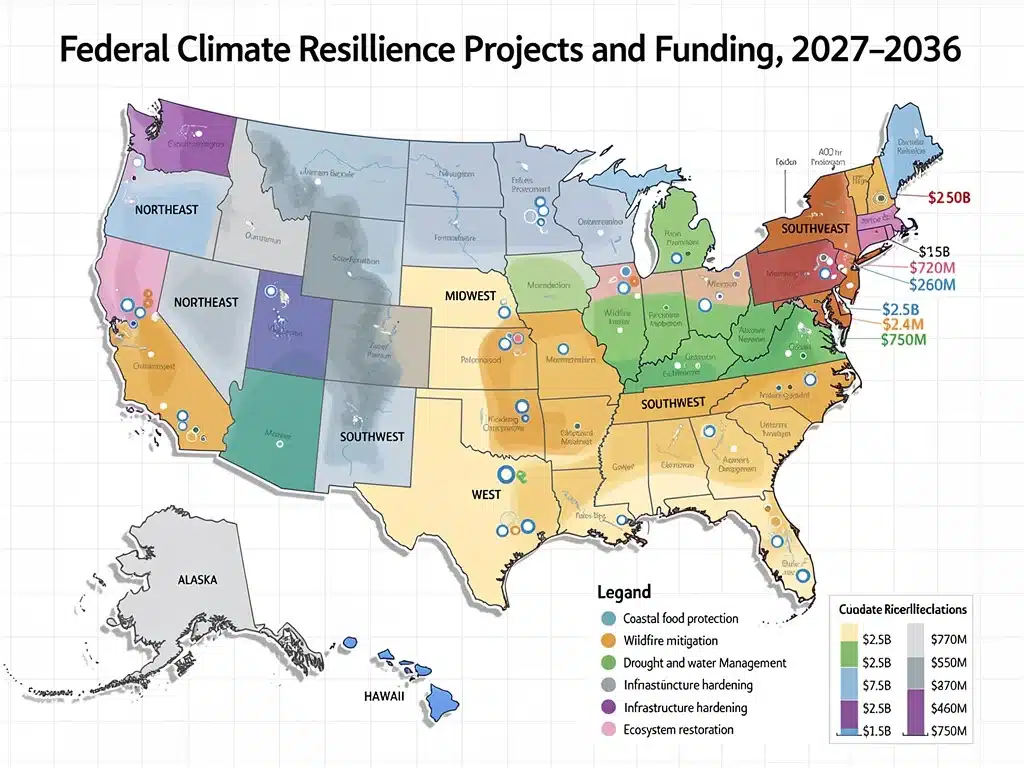
The new federal initiatives targeting climate change resilience across the U.S. for the next decade are designed with a keen awareness of regional differences in climate vulnerability. Coastal areas, for instance, will see significant investments in sea-level rise adaptation and storm surge protection.
Inland regions grappling with increased drought, wildfires, or extreme heat will benefit from programs focused on water conservation, forest management, and urban heat island mitigation. Agricultural communities are also targeted for support in adapting farming practices.
Specific criteria will guide the prioritization of projects, often favoring those that demonstrate strong community engagement, incorporate nature-based solutions, and address environmental justice concerns.
This ensures that resources are directed where they are most needed and can yield the greatest impact.
Technological Innovations in Climate Resilience
Advancements in technology are central to the success of the new federal initiatives targeting climate change resilience across the U.S. for the next decade. The government is investing in cutting-edge solutions to monitor, predict, and mitigate climate impacts.
This includes the deployment of advanced sensor networks, satellite imagery for environmental monitoring, and sophisticated data analytics to inform decision-making. Digital tools are also being developed to help communities assess risks and plan effective resilience strategies.
Innovation extends to engineering and construction, with an emphasis on resilient materials and design practices that can withstand harsher environmental conditions. The federal push aims to foster a robust ecosystem of climate tech development and adoption.
The Role of Green Infrastructure
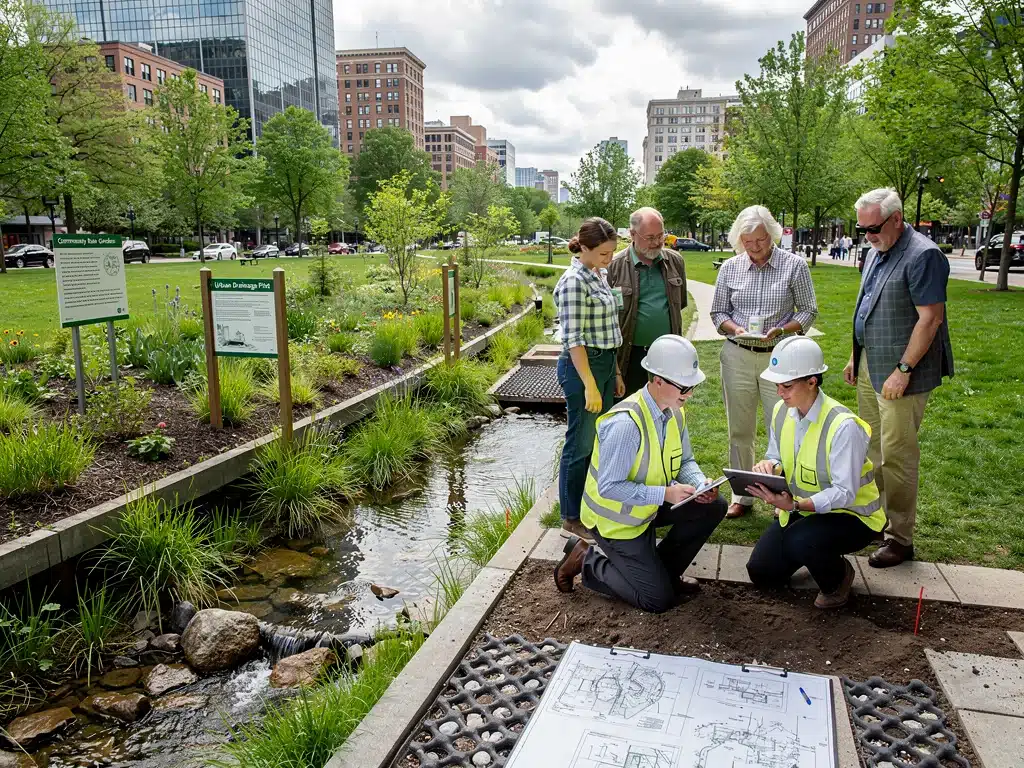
Green infrastructure plays a pivotal role in the federal government’s approach to climate resilience. This involves utilizing natural systems, such as permeable pavements, green roofs, and restored wetlands, to manage stormwater, reduce urban heat, and protect against coastal erosion.
These nature-based solutions offer multiple benefits, including improved air and water quality, enhanced biodiversity, and increased community well-being, alongside their primary function of climate protection. They are often more cost-effective and sustainable than traditional grey infrastructure.
- Stormwater Management: Reducing flood risks through natural absorption and filtration.
- Heat Island Mitigation: Cooling urban areas with vegetation and reflective surfaces.
- Coastal Protection: Using natural barriers like dunes and mangroves to buffer against storms.
- Air Quality Improvement: Filtering pollutants through urban forests and green spaces.
Community Engagement and Equity in Resilience Efforts
Central to the new federal initiatives targeting climate change resilience across the U.S. for the next decade is a strong emphasis on community engagement and environmental justice. Federal agencies are committed to ensuring that resilience planning is inclusive and responsive to local needs.
This involves actively consulting with local communities, particularly those historically marginalized or disproportionately affected by environmental hazards. The goal is to co-create solutions that are effective, culturally appropriate, and sustainable over the long term.
Equity considerations are integrated into funding criteria and project selection, aiming to direct resources to areas that have traditionally lacked investment in resilience. This ensures that the benefits of these initiatives are broadly shared across all segments of society.
Building Local Capacity for Adaptation
Beyond direct funding, the federal initiatives are focused on building local capacity for climate adaptation. This includes providing technical assistance, training programs, and access to scientific expertise for state and local governments, tribal nations, and community organizations.
Empowering local leaders and residents with the knowledge and tools to assess risks and implement solutions is crucial for sustained resilience. These efforts foster self-sufficiency and enable communities to tailor responses to their unique vulnerabilities and assets.
The federal government recognizes that effective climate resilience is a shared responsibility, requiring collaboration at all levels. These capacity-building efforts are designed to create a network of informed and capable stakeholders across the nation.
Challenges and Opportunities for the Next Decade
While the new federal initiatives targeting climate change resilience across the U.S. for the next decade present significant opportunities, they also face considerable challenges.
Coordinating efforts across multiple agencies and thousands of local jurisdictions will require robust governance and clear communication.
Securing sustained funding and political will over a ten-year horizon is another critical factor. The scale of climate change impacts demands not just initial investment but ongoing commitment and adaptability as conditions evolve.
However, the initiatives also open doors for economic growth through the creation of new green jobs, the development of innovative technologies, and increased private sector investment in resilience solutions. The long-term benefits of proactive climate action far outweigh the costs of inaction.
Monitoring Progress and Ensuring Accountability
Effective implementation of the new federal initiatives targeting climate change resilience across the U.S. for the next decade hinges on rigorous monitoring and accountability mechanisms. Federal agencies are developing metrics to track progress, measure outcomes, and ensure that funds are used efficiently and effectively.
Regular reporting and independent evaluations will be crucial for maintaining public trust and making necessary adjustments to programs. Transparency in data and decision-making will allow stakeholders to assess the impact of these investments and hold agencies accountable.
The success of these initiatives will ultimately be judged by their ability to reduce vulnerabilities, minimize damages from climate events, and create a more resilient nation for future generations. This long-term vision requires continuous assessment and adaptation.
Looking Ahead: The Future of U.S. Climate Resilience
The new federal initiatives targeting climate change resilience across the U.S. for the next decade represent a landmark commitment to safeguarding the nation’s future. These programs are poised to reshape how communities and infrastructure respond to environmental challenges.
The comprehensive approach, encompassing funding, technological innovation, and community engagement, lays a robust foundation. Sustained collaboration among federal, state, and local entities will be paramount to realizing the full potential of these efforts.
As the initiatives unfold, their success will offer valuable lessons for global climate action, demonstrating the power of a coordinated national strategy. The coming years will be critical in observing the tangible impacts of this ambitious undertaking.
| Key Initiative | Focus Area |
|---|---|
| Infrastructure Investment | Modernizing critical systems against climate impacts. |
| Ecosystem Restoration | Enhancing natural defenses and biodiversity. |
| Community Preparedness | Empowering local adaptation and emergency response. |
| Technological Innovation | Developing and deploying advanced climate solutions. |
Frequently Asked Questions About Federal Climate Resilience Initiatives
The primary goals are to enhance the nation’s ability to withstand climate change impacts, protect vulnerable communities, and modernize infrastructure. These initiatives aim to proactively integrate climate resilience into long-term planning and foster sustainable adaptation across the U.S. for the next decade.
Funding will be distributed through a combination of grants, loans, and direct investments via various federal agencies. The allocation prioritizes projects that address critical vulnerabilities, incorporate nature-based solutions, and promote equitable outcomes for affected communities.
All regions are targeted, but prioritization will vary based on specific climate vulnerabilities. Coastal areas, regions prone to drought and wildfires, and urban centers facing extreme heat are expected to receive significant attention and resources for tailored resilience projects.
Technology is crucial, with investments in advanced climate modeling, monitoring systems, and innovative engineering solutions. The initiatives support the development and deployment of resilient materials, green infrastructure, and digital tools for risk assessment and adaptation planning.
Local communities are encouraged to engage through public consultations, grant applications, and partnerships with federal agencies. Technical assistance and capacity-building programs are available to help local governments and organizations develop and implement their own resilience strategies effectively.
Impact and Implications
The new federal initiatives targeting climate change resilience across the U.S. for the next decade signify a profound shift in national environmental policy.
Their successful implementation will not only protect lives and property but also stimulate economic growth and foster a more sustainable future.
Stakeholders must remain vigilant, monitoring progress and holding agencies accountable to ensure these ambitious goals translate into tangible, long-lasting resilience for all Americans.