Credit Score Boost in 90 Days: Your U.S. Action Plan
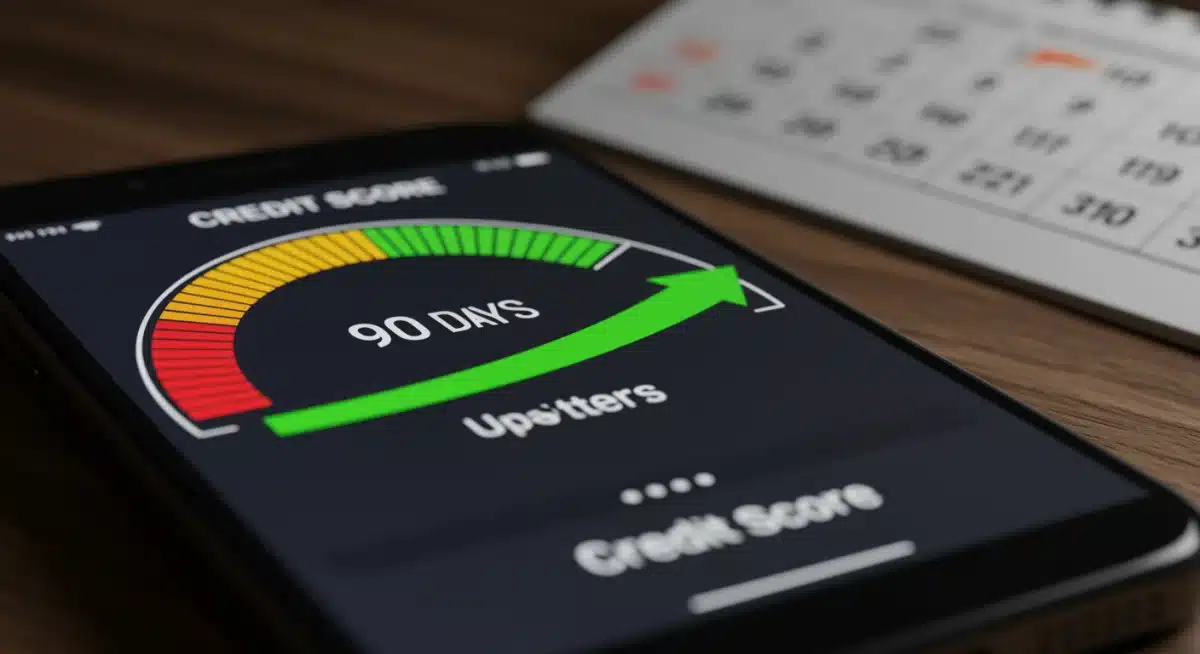
The American financial system is currently undergoing its most significant structural update in two decades.
As of 2026, the shift from “Classic FICO” to modernized models like FICO 10T and VantageScore 4.0 has fundamentally changed how creditworthiness is calculated.
Unlike previous systems that provided a “snapshot” of your debt, these new models utilize trended data, looking back at 24 to 30 months of financial patterns to determine if your debt levels are rising, falling, or stable.
This evolution is designed to be more inclusive, incorporating alternative data such as rent, utility, and telecom payments, which can help “score” millions of Americans who previously had thin credit files.
Navigating the Upcoming 2026 Credit Score Revisions
The financial landscape is poised for significant adjustments with the impending 2026 credit score changes. These revisions are not merely technical updates but represent a fundamental shift in how consumer creditworthiness is assessed.
Lenders, consumers, and financial institutions across the United States must prepare for these modifications, as they will directly influence access to credit products. The goal is to enhance accuracy and fairness, but adaptation will be crucial.
Official announcements and industry analyses indicate that these changes aim to provide a more holistic view of financial behavior. This comprehensive approach could alter how various factors contribute to an individual’s overall credit standing.
Key Drivers Behind the 2026 Credit Score Changes
Several factors are driving the upcoming modifications to credit scoring models. These include evolving economic conditions, technological advancements in data analysis, and a continuous effort to make credit assessments more equitable.
Regulators and credit bureaus are responding to criticisms regarding the exclusion of certain financial behaviors that could positively impact a borrower’s profile. The intent is to broaden the scope of what constitutes reliable financial conduct.
These revisions also reflect a desire to reduce biases and improve access to credit for underserved populations. By incorporating new data points, the system seeks to offer a more accurate and inclusive representation of financial responsibility.
The Role of Alternative Data in Scoring
One of the most significant aspects of the 2026 credit score changes is the increased emphasis on alternative data. This includes information not traditionally found in standard credit reports, such as rent payments or utility bills.
The inclusion of these data points can significantly impact individuals who have thin credit files or limited access to traditional credit. It provides a more comprehensive picture of their payment habits and financial stability.
This shift aims to benefit consumers who consistently pay their non-credit obligations on time but historically haven’t seen these behaviors reflected in their credit scores. It offers a new pathway to establishing or improving credit.
- Rent Payment History: Consistent on-time rental payments could now positively influence scores.
- Utility Bill Payments: Regular and timely payments for electricity, water, and gas may be factored in.
- Banking Transaction Data: Certain aspects of checking and savings account behavior might be considered.
Impact on Traditional Credit Factors
While new data sources are being introduced, traditional credit factors will still play a crucial role. Payment history, credit utilization, length of credit history, and types of credit will remain foundational.
The 2026 credit score changes will likely re-weight the importance of these existing factors, potentially altering their individual impact on the overall score. Consumers should continue to prioritize responsible management of their current credit obligations.
It is essential for individuals to understand how these traditional elements interact with the new alternative data. A balanced approach to financial management will be key to optimizing one’s credit profile under the new system.
Direct Impact on Loan Approvals and Interest Rates

The foremost concern for many consumers is how the 2026 credit score changes will affect their ability to secure loans. These revisions will directly influence loan approvals across various categories, from mortgages to auto loans and personal loans.
A higher, more favorable credit score under the new models could lead to easier loan approvals and potentially lower interest rates. Conversely, a less favorable score might present challenges in obtaining credit or result in higher borrowing costs.
Lenders will adapt their underwriting processes to incorporate these new scoring methodologies, meaning that the criteria for what constitutes a ‘good’ or ‘excellent’ credit risk might shift.
Consumers need to stay informed to anticipate these adjustments.
Mortgage Lending and Housing Market
The housing market is particularly sensitive to credit score adjustments, and the 2026 credit score changes are expected to have a notable impact on mortgage lending. Prospective homebuyers will need to ensure their credit profiles align with the updated standards.
For some, the inclusion of alternative data could open doors to homeownership that were previously closed due to insufficient credit history. For others, a re-evaluation of traditional factors might necessitate adjustments to their financial habits.
Lenders will be scrutinizing these new scores to assess risk, which could influence interest rates, down payment requirements, and overall loan terms. Being prepared for these shifts will be vital for anyone planning to purchase a home.
Auto Loans and Personal Credit
Beyond mortgages, auto loans and personal loans will also be directly affected by the 2026 credit score changes. The ease with which consumers can finance vehicles or access personal credit will depend heavily on their updated scores.
Automotive dealerships and personal loan providers will adjust their lending models to reflect the new scoring criteria. This means that a good credit score, as defined by the updated system, will be paramount for favorable terms.
Consumers seeking these types of loans should proactively monitor their credit reports and scores as the implementation date approaches. Understanding the nuances of the new system will help them secure the best possible rates and terms.
Preparing for the 2026 Credit Score Changes
Proactive preparation is essential for consumers aiming to maintain or improve their financial standing under the new credit scoring models. Understanding the nuances of the 2026 credit score changes now can prevent future financial setbacks.
Reviewing your current credit report and understanding how existing factors contribute to your score is a crucial first step. This baseline knowledge will help you identify areas for improvement.
Engaging with financial education resources and seeking advice from credit counseling services can provide valuable insights. Being well-informed empowers you to make strategic decisions for your financial future.
Monitoring Your Credit Report Regularly
With the 2026 credit score changes on the horizon, regular monitoring of your credit report becomes even more critical. This practice allows you to identify any discrepancies and understand how your financial behaviors are being reported.
Accessing your free annual credit reports from each of the three major bureaus (Equifax, Experian, TransUnion) is a fundamental step.
This helps ensure accuracy and allows you to dispute any errors before they negatively impact your score under the new system.
Beyond annual checks, consider utilizing credit monitoring services that provide alerts for significant changes. Staying vigilant will help you adapt quickly to any shifts brought about by the new scoring models.
- Annual Free Reports: Utilize AnnualCreditReport.com for free reports from all three bureaus.
- Dispute Errors Promptly: Address any inaccuracies found on your report immediately.
- Credit Monitoring Services: Consider services that offer real-time alerts for changes.
Improving Your Financial Habits
To optimize your credit score under the 2026 changes, focus on improving fundamental financial habits. This includes consistently making on-time payments, reducing credit card balances, and diversifying your credit mix responsibly.
Paying all bills on time, including those for rent and utilities if they are now being factored into your score, is paramount. Payment history remains the most influential factor in credit scoring.
Reducing your credit utilization ratio by paying down revolving debt can also significantly boost your score. Aim to keep your balances well below your credit limits to demonstrate responsible credit management.
Lender Adaptations and New Underwriting Models

Lenders are already in the process of adapting their internal systems and underwriting models to accommodate the 2026 credit score changes. This is a complex transition that requires significant technological and procedural updates.
Financial institutions will need to retrain their staff and adjust their risk assessment frameworks to incorporate the new data points and scoring methodologies. The goal is to maintain accurate risk profiles while adhering to updated regulations.
This period of adaptation may lead to initial variations in lending criteria as different institutions implement the changes. Consumers should be aware that lending standards might not be uniform across all providers immediately after the transition.
Potential Challenges and Opportunities
The 2026 credit score changes present both potential challenges and significant opportunities for consumers and the financial industry alike. Navigating these shifts effectively will require careful attention and strategic planning.
One challenge could be the initial confusion or uncertainty as new scoring models are rolled out and understood. Consumers might experience fluctuations in their scores as the new criteria take effect.
However, the opportunities are substantial, particularly for those who have historically been disadvantaged by traditional credit models. The inclusion of alternative data can provide a fairer assessment of creditworthiness for a broader population.
Addressing Credit Invisibility
A major opportunity presented by the 2026 credit score changes is the potential to address credit invisibility. Millions of Americans currently lack sufficient credit history to generate a traditional credit score, limiting their access to essential financial products.
By incorporating alternative data sources like rent and utility payments, individuals who consistently demonstrate financial responsibility can now build a credit history. This could significantly expand access to loans, housing, and other financial services.
This shift has the potential to foster greater financial inclusion and equity. It allows a more diverse range of consumers to prove their creditworthiness based on a wider array of verifiable financial behaviors.
Future Outlook and Long-Term Implications
The 2026 credit score changes are not just a one-time event but represent an ongoing evolution in credit assessment. The long-term implications will likely include a more dynamic and responsive credit scoring system.
As technology advances and more data becomes available, credit models will continue to refine their ability to predict credit risk accurately. This could lead to a more personalized approach to lending.
Consumers can anticipate a future where their entire financial footprint, rather than just traditional credit accounts, contributes to their credit profile. Adapting to this evolving landscape will be key for sustained financial health.
| Key Point | Brief Description |
|---|---|
| New Data Inclusion | Rent and utility payments may now impact scores, benefiting those with thin files. |
| Loan Approval Impact | Changes directly affect eligibility and interest rates for mortgages, auto, and personal loans. |
| Preparation Steps | Monitor credit reports, improve payment habits, and understand new scoring factors. |
| Lender Adaptations | Financial institutions are updating systems and underwriting models to new criteria. |
Frequently Asked Questions About 2026 Credit Score Changes
The 2026 credit score changes could significantly alter how mortgage lenders assess risk. Your score might shift based on new factors like rent and utility payments, potentially affecting your eligibility and the interest rates offered for a mortgage. It’s crucial to monitor your credit profile closely.
Key new data points expected to influence your credit score include consistent on-time rent payments and timely utility bill payments. These non-traditional financial behaviors aim to provide a more comprehensive view of your creditworthiness, especially for those with limited credit history.
While some individuals might see fluctuations, the goal of the 2026 credit score changes is to enhance accuracy. If you have a solid payment history, including rent and utilities, your score could improve. Consistently responsible financial behavior remains key to maintaining a strong score.
To prepare for the 2026 credit score changes, regularly check your credit reports for accuracy, ensure all bills are paid on time, and keep credit utilization low. Understanding how new data points might apply to your financial habits will also be beneficial.
The 2026 credit score changes are designed to provide a more inclusive assessment, potentially making it easier for some, especially those with limited traditional credit. However, for others, adjustments to financial habits might be necessary to secure favorable loan approvals under the new criteria.
What Happens Now
The 2026 credit score changes are set to redefine personal finance and lending practices across the United States.
Consumers must proactively engage with these updates by monitoring their credit, understanding new scoring factors, and adapting their financial strategies.
The financial industry, in turn, will continue to refine its models, ensuring a dynamic and evolving credit assessment landscape.
Staying informed remains the most powerful tool for navigating these significant shifts and securing favorable loan approvals in the years to come.
As lenders transition to these new standards, it is vital to understand the direct impact on home buying; you can find a detailed breakdown of these credit score changes for mortgages in 2026 and how they may affect your next application.