Food Prices in 2026: National Report on 7% Grocery Cost Increase

In 2026, grocery budgeting has shifted from a casual habit to a vital financial survival skill.
As global supply chains and climate-driven crop shifts continue to push checkout totals higher, families are seeing a significant “inflation gap” between their typical shopping lists and their actual purchasing power.
Successfully navigating these rising costs requires a three-pronged tactical approach: ruthlessly distinguishing essential staples from luxury non-essentials, mastering low-waste meal planning, and utilizing AI-driven budgeting apps to track every cent in real-time.
By implementing these modern strategies, you can maintain a nutrient-dense diet for your family while effectively neutralizing the impact of rising food prices.
Understanding the 7% Surge in Grocery Costs
Understanding the impact of rising food prices is essential for everyone. With many factors contributing to this increase, it’s vital to grasp how these changes affect our daily lives.
First, let’s dive into the reasons behind these rising prices. Factors like supply chain disruptions and climate change can significantly influence how much we pay at the grocery store.
Understanding these elements helps us make informed decisions about our purchases.
Factors Influencing Food Prices
There are several key factors that you should consider when looking at the rising costs of groceries:
- Supply Chain Issues: Problems in transporting goods can lead to shortages and increased costs.
- Climate Change: Weather events can impact crop yields, causing prices to rise due to scarcity.
- Economic Conditions: Inflation and changes in economic policy can lead to higher prices for consumers.
- Global Demand: Increased demand worldwide can further strain supply and escalate prices.
As we see these costs increase, it’s not just about higher bills. The impact can influence our overall health and nutrition. When prices rise, consumers may turn to cheaper, less nutritious options.
Being aware of the impact of rising food prices can empower you to make better choices when shopping.
For example, consider buying seasonal produce, which may be more affordable than out-of-season items. Taking advantage of sales and using coupons can greatly enhance your budget.
Shopping Smart
Implementing smart shopping strategies can help offset some of these rising costs. Plan your meals and make a list before heading to the store. This approach helps focus on necessary items and minimizes impulse buys.
Always remember, understanding the impact of rising food prices is the first step to maintaining control of your grocery budget.
By staying informed and adopting smart strategies, you can navigate these changes successfully while still providing healthy meals for your family.
Tips for effective grocery shopping

Shopping for groceries wisely can have a big impact on your budget. By following some effective tips, you can save money while still buying the items you need.
First, creating a shopping list is crucial. When you enter the store without a plan, it’s easy to make impulse purchases that can add up quickly.
Organizing your list by categories, such as fruits, vegetables, and dairy, makes it easier to navigate the store efficiently.
Plan Your Meals
Meal planning is another excellent way to manage your grocery expenses. By thinking ahead, you can make meals that utilize similar ingredients, reducing waste and saving money.
- Use what you have: Check your pantry before shopping.
- Focus on sales: Plan meals around items that are on sale.
- Batch cooking: Prepare larger portions to eat throughout the week.
Additionally, consider shopping at different stores. One store may have great deals on fresh produce, while another might be better for canned goods. Comparing prices can lead to significant savings.
Don’t forget to bring coupons or use grocery store apps. Many stores offer digital coupons that can add up to real savings at checkout. Staying updated on weekly sales can further help in making informed choices.
Buy in Bulk When Appropriate
Buying in bulk can also lead to savings, especially for non-perishable items. If you find a good price on canned goods or pasta, consider purchasing larger quantities. Just make sure you’ll use the items before they expire.
Finally, being mindful of your purchases means knowing when to avoid certain items. Pre-packaged foods are often more expensive than buying raw ingredients. Cooking from scratch not only saves money but can be healthier too.
How meal planning can save you money
Meal planning can significantly save you money while ensuring that you stick to a budget. By organizing your meals ahead of time, you can avoid unnecessary purchases and food waste.
One of the biggest advantages of meal planning is that it allows you to use ingredients effectively. When you plan meals around what you already have, you can reduce grocery expenses.
For example, if you have rice, you can create multiple dishes that include it, like stir-fries and casseroles.
Benefits of Meal Planning
Here are some key benefits of meal planning that highlight its effectiveness:
- Reduced Waste: Buying only what you need means fewer leftovers that go bad.
- Cost Savings: Planning helps you take advantage of sales and discounts.
- Healthier Choices: Preparing meals from scratch leads to better nutrition.
- Time Efficiency: Having a plan cuts down on daily decision-making and cooking time.
Additionally, meal planning encourages you to explore new recipes. Trying new dishes can keep meals exciting and prevent boredom with your food choices.
Plus, you can tailor meals to your family’s preferences, avoiding unwanted or unappreciated ingredients.
Implementing a meal planning system is straightforward. Start by selecting a day of the week to plan your meals. Look at your schedule to determine how many meals you need.
Then, create a shopping list that only includes the ingredients for those planned meals.
How to Get Started
To kick off your meal planning journey, consider these initial steps:
- Assess Your Pantry: Check what items you already have.
- Review Sales Flyers: Incorporate sale items into your meals.
- Set a Flexible Menu: Plan but allow for changes as needed.
By taking these steps, you’ll be able to see just how effective meal planning can be for saving money and eating well. The more you practice, the easier it becomes to layout effective plans that suit your lifestyle.
Using apps and tools for budgeting
Using apps and tools for budgeting can make grocery shopping much easier. With technology at our fingertips, managing expenses has never been more accessible.
Many budgeting apps allow users to track their spending in real-time. These tools help you understand where your money goes and how much you can allocate to groceries each month.
By keeping detailed records, you’ll be able to adjust your habits accordingly.
Benefits of Budgeting Apps
Here are some key benefits of using budgeting apps:
- Accessibility: Access your budget anytime, anywhere.
- Real-time Tracking: Monitor your spending as it happens.
- Goal Setting: Set and stick to financial goals.
- Spending Alerts: Receive notifications when you approach your budget limits.
In addition to apps, there are also online tools and websites that can assist with budgeting. Many of these platforms offer templates to create your own budget, providing a structured way to plan your grocery spending.
Another fantastic feature of these tools is the ability to analyze past spending patterns. By reviewing where you’ve spent the most money, you can make informed changes to your shopping habits. This strategy can help in steering clear of unnecessary purchases.
How to Choose the Right Tool
When picking a budgeting app or tool, consider these factors:
- User-Friendly Interface: Ensure it’s easy to navigate.
- Features: Look for functionalities that best suit your needs.
- Cost: Many apps are free, while others may require a subscription.
These considerations will help you find a budgeting solution that promotes effective grocery budgeting without overwhelming you.
In today’s fast-paced world, having a solid plan at your fingertips allows for smarter shopping and improved financial health.
Creating a flexible grocery budget
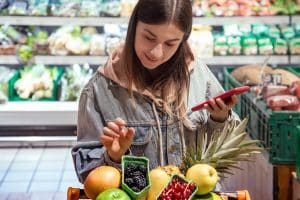
Creating a flexible grocery budget helps you manage your finances better while adjusting to variable expenses. A budget that adapts to changes in your income or spending habits can make grocery shopping less stressful.
To build a flexible grocery budget, start by assessing your monthly income and determining how much you can realistically spend on groceries.
This amount will be your baseline. Remember, it’s important to leave some room for unexpected expenses, as prices can vary often.
Steps to Create Your Budget
Follow these steps to create a budget that works for you:
- Track Your Spending: Keep a detailed record of your grocery expenses over a month.
- Identify Patterns: Look for trends in your spending. Do you spend more during certain weeks?
- Set Categories: Divide your budget into categories like fresh produce, meat, and snacks.
- Adjust Regularly: Review your budget each month and make changes as necessary.
Consistency is essential. A flexible budget allows you to adjust your spending categories based on the season or sales. For example, buying fruits and vegetables in season can lower costs significantly.
In addition, keep essential items separate from non-essential ones. This practice ensures you’ll always have the necessary items on hand, even when your budget is tight. Prioritize these essentials when prices rise.
Monitoring and Evaluation
Analyze your budget every month. Compare your actual spending to your budgeted amounts. This analysis helps you understand where you might need to adapt.
By making small adjustments, such as reducing your spend on non-essential items, you can help your budget remain intact when grocery prices fluctuate.
A flexible grocery budget not only supports your financial goals but also ensures your family eats healthily.
Identifying essential vs. non-essential items
Identifying essential vs. non-essential items is crucial for effective grocery budgeting. Knowing the difference helps you prioritize your spending and keep your budget in check.
Essentials are the items you need for daily life, like food and household supplies. These are products necessary for health and well-being.
In contrast, non-essentials are items that may enhance your life but aren’t vital. Recognizing this distinction can lead to substantial savings.
Examples of Essential Items
Here are some common categories of essential items:
- Fresh produce: Fruits and vegetables that contribute to a balanced diet.
- Proteins: Meat, poultry, fish, and plant-based proteins like beans.
- Dairy products: Milk, cheese, and yogurt that provide essential nutrients.
- Staple items: Grains, bread, and cereals that form the base of many meals.
While these items are critical to your diet, it’s necessary to be cautious about their prices. Buying in bulk or choosing seasonal options can help you save money.
Examples of Non-Essential Items
Non-essential items often include:
- Snacks: Chips, cookies, and other treats that aren’t needed.
- Premium brands: Name-brand products that have more affordable alternatives.
- Convenience foods: Pre-packaged meals that can be more expensive than cooking from scratch.
- Specialty items: Unique products or ingredients that are nice to have but not necessary.
By limiting your purchases of non-essential items, you can allocate more funds toward the essentials. This approach not only helps in keeping your grocery budget manageable but also ensures you have enough nutritious foods at hand.
Regularly evaluating your shopping list can keep you aware of what is essential versus non-essential. This practice encourages mindful spending and promotes healthier eating habits.
| Key Point | Brief Description |
|---|---|
| 7% Increase | National average rise in grocery costs for 2026, impacting all households. |
| Key Drivers | Supply chain issues, energy costs, labor shortages, and geopolitical events. |
| Regional Impact | Varying increases across states and cities, with coastal areas often higher. |
| Consumer Response | Budgeting, meal planning, and seeking discounts to manage expenses. |
Frequently Asked Questions About Food Prices in 2026
The 7% increase means that, on average, your household will spend 7% more on groceries than last year for the same basket of goods. This necessitates budgeting adjustments and careful planning to maintain your desired purchasing power without significant financial strain.
While the increase is widespread, categories like fresh produce, meats, and dairy have seen some of the most significant jumps due to their sensitivity to supply chain disruptions, transportation costs, and agricultural inputs. Processed goods have also risen, driven by packaging and energy expenses.
Government assistance programs, such as SNAP, are available to help eligible families cope with rising food prices. Additionally, some states offer local food bank support and community initiatives. It’s advisable to check federal and state resources for current eligibility and benefits.
Expert forecasts suggest that while the rate of increase might slow, elevated food prices are likely to persist for the foreseeable future. A return to pre-pandemic levels is not widely anticipated, indicating a new baseline for grocery costs in the long term.
Consumers can employ several strategies: creating detailed meal plans, utilizing coupons and loyalty programs, buying store-brand products, and exploring bulk purchases or local farmers’ markets. These measures can help manage the financial strain from the increased Food Prices in 2026: A National Report on the 7% Increase in Grocery Costs Over the Last Year.
Conclusion: Mastering the Modern Grocery Shop
Navigating the landscape of rising food prices in 2026 requires more than just a keen eye for discounts; it demands a strategic shift in how we approach the entire shopping process.
By distinguishing between essentials and non-essentials, embracing the organizational power of meal planning, and utilizing digital budgeting tools, you can shield your household from the brunt of inflation.
Maintaining a nutritious diet doesn’t have to be a casualty of a tightening budget. Flexibility and information are your best assets—whether that means swapping a brand name for a store label or adjusting your menu based on seasonal availability.
As the market continues to evolve, staying proactive will ensure that you keep your pantry full and your financial health intact.
For those looking to explore how specific retailers are adapting to these economic shifts, see how chains like Aldi are becoming a primary destination for food affordability in the current economy.