Secure Your Federal Vocational Training Grant in 2026
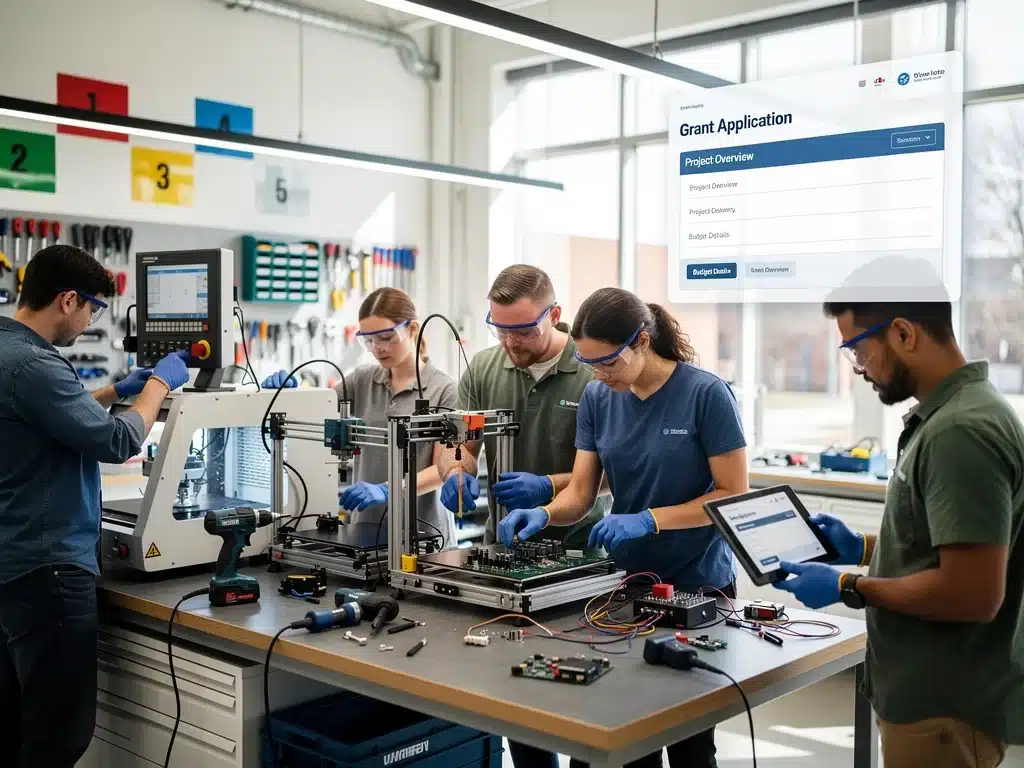
The guide How to Secure One of the 10,000 New Federal Grants for Vocational Training in 2026 details the latest workforce development framework launched by federal agencies.
This time-sensitive analysis outlines the updated eligibility requirements, specific high-demand industry sectors targeted for funding, and the immediate application deadlines prospective students must track across the United States.
Understanding the New Federal Vocational Grants 2026 Initiative
The federal government recently unveiled a comprehensive initiative to bolster vocational training across the nation, earmarking substantial funds for 10,000 new grants in 2026.
This program is a direct response to the evolving demands of the modern job market, focusing on sectors experiencing rapid growth and skill shortages.
These grants are designed to make high-quality vocational education accessible to a broader demographic, reducing financial barriers for individuals seeking specialized skills.
The emphasis is on practical, hands-on training that leads directly to employment opportunities.
Federal agencies involved in this initiative have stressed the importance of these grants in closing the skills gap and enhancing national competitiveness.
The goal is to create a more robust, skilled workforce capable of addressing future economic challenges and technological advancements.
Eligibility Criteria for Federal Vocational Grants 2026
To successfully secure one of the new federal vocational grants 2026, understanding the precise eligibility criteria is the first critical step.
The government has outlined specific requirements to ensure that these funds are directed towards individuals who can most benefit and contribute to the targeted industries.
Applicants must typically be U.S. citizens or eligible non-citizens, possess a high school diploma or GED equivalent, and demonstrate a genuine interest in vocational training.
Some grants may also have age restrictions or require applicants to be currently unemployed or underemployed.
Furthermore, the grants are often tied to specific vocational programs or fields of study that align with national workforce development priorities.
Prospective applicants should verify if their chosen program is recognized and approved under this new federal initiative.
General Applicant Requirements
Potential recipients must meet foundational criteria including residency and educational attainment. These requirements ensure that the grants support individuals who are genuinely prepared for the rigors of vocational education.
Detailed information on these requirements will be published by the Department of Education and other relevant federal bodies. Staying updated through official channels is crucial for all applicants.
- U.S. Citizenship or eligible non-citizen status.
- High school diploma or equivalent (GED).
- Demonstrated financial need or specific economic disadvantage.
- Enrollment or acceptance into an approved vocational training program.
Program-Specific Criteria
Beyond general eligibility, many federal vocational grants 2026 will have criteria tailored to the specific vocational fields they aim to support. These might include prior experience in a related field or specific aptitude test results.
Certain high-demand sectors such as healthcare, information technology, and advanced manufacturing are likely to receive priority. Applicants should research programs that align with these national priorities to enhance their chances.
- Alignment with high-demand vocational fields.
- Specific academic prerequisites for certain programs.
- Commitment to completing the vocational training program.
- Potential for immediate employment post-graduation.
The Application Process: A Step-by-Step Guide for 2026
Navigating the application process for these highly competitive federal vocational grants 2026 requires meticulous attention to detail and timely submission. The process is expected to be largely online, emphasizing accuracy and completeness.
Applicants should begin by identifying accredited vocational programs that are eligible for this funding.
Once a program is selected, the next step involves gathering all necessary documentation, which often includes academic transcripts, proof of residency, and financial statements.
The application portal will likely open in late 2025 or early 2026, making proactive preparation essential. Missing deadlines or submitting incomplete applications will significantly reduce the chances of securing a grant.

Key Application Phases
The application will typically involve several distinct phases, from initial inquiry to final submission. Each phase carries specific requirements and deadlines that applicants must adhere to rigorously.
It is advisable to create a timeline and checklist to ensure all steps are completed efficiently. Early preparation can alleviate stress and allow for thorough review before submission.
- Researching eligible programs and institutions.
- Gathering all required personal and academic documents.
- Completing the online grant application form accurately.
- Submitting letters of recommendation or personal essays if required.
Tips for a Strong Application
A compelling application goes beyond merely meeting the basic requirements; it articulates a clear vision and demonstrates significant potential. Highlighting your commitment and future career aspirations can make a substantial difference.
Consider seeking assistance from academic advisors or career counselors who can provide guidance on crafting persuasive essays and compiling a strong portfolio. Proofreading all materials is non-negotiable.
- Clearly articulate your career goals and how the grant will help achieve them.
- Provide specific examples of your dedication and relevant experiences.
- Ensure all financial information is accurate and well-documented.
- Proofread every section meticulously to avoid errors.
Maximizing Your Chances to Secure Federal Vocational Grants 2026
With only 10,000 new federal grants for vocational training in 2026 available, competition will be fierce, making strategic preparation crucial.
Beyond simply meeting the criteria, successful applicants will demonstrate a proactive and well-thought-out approach.
Networking with professionals in your desired vocational field can provide invaluable insights and potential mentorship opportunities. Showing initiative and a genuine passion for your chosen career path will resonate with selection committees.
Additionally, participating in relevant community service or volunteer work can bolster your application by showcasing your commitment and work ethic. Every element of your application should tell a cohesive story of your dedication.
Strategic Planning and Preparation
Effective planning involves more than just filling out forms; it requires a deep understanding of the grant’s objectives and how your aspirations align with them. Start early and continuously refine your approach.
Developing a strong personal statement that highlights your unique journey and future contributions is critical. This is your opportunity to distinguish yourself from other applicants.
- Begin research on eligible programs and institutions well in advance.
- Attend informational webinars or workshops offered by federal agencies.
- Seek feedback on your application materials from trusted mentors or advisors.
- Compile a portfolio of any relevant projects or achievements.
Highlighting Your Unique Value Proposition
To stand out among thousands of applicants, clearly articulate what makes you a unique and deserving candidate for the federal vocational grants 2026. Emphasize your potential for success and your commitment to the vocational field.
Personal anecdotes that illustrate your resilience, problem-solving skills, and passion can be highly effective. Connect your past experiences to your future aspirations in a compelling narrative.
- Showcase any prior academic achievements or relevant certifications.
- Detail any leadership roles or teamwork experiences.
- Explain how you plan to utilize the vocational training to benefit your community.
- Demonstrate a clear understanding of the vocational field’s current trends and future outlook.
Key Dates and Deadlines for the 2026 Grant Cycle
The time-sensitive nature of the federal vocational grants 2026 means that adhering to key dates and deadlines is non-negotiable. Missing even a single deadline could disqualify an otherwise strong application, so meticulous tracking is essential.
While specific dates are still being finalized, general timelines for federal grant programs typically involve an announcement period, an application window, and a review phase.
Prospective applicants should anticipate the application period to open in late 2025.
Official channels, such as the Department of Education website and relevant federal agency portals, will be the primary sources for confirmed dates. Setting up alerts and regularly checking these sites can prevent missed opportunities.
Anticipated Timeline for Applications
The grant cycle will likely follow a familiar pattern, starting with program announcements and culminating in award notifications. Understanding this sequence allows applicants to prepare adequately for each stage.
Early preparation, such as gathering documents and drafting essays, should commence immediately upon the initial announcement. This foresight can make all the difference in a competitive environment.
- Official program announcement: Expected Fall 2025.
- Application portal opening: Likely Winter 2025/Spring 2026.
- Application submission deadline: Typically a few months after opening.
- Grant award notifications: Expected Summer/Fall 2026.
Importance of Timely Submission
Submitting your application well before the final deadline is highly recommended. This allows for any technical issues to be resolved and provides a buffer for unforeseen circumstances.
Late applications are almost universally rejected, regardless of their quality. Prioritizing timely submission demonstrates professionalism and seriousness about the opportunity.
- Avoid last-minute technical glitches by submitting early.
- Ensure all supporting documents are received by the deadline.
- Confirm receipt of your application through official channels.
- Plan for potential delays in mail or online systems.
Resources and Support for Applicants
Successfully navigating the application process for the federal vocational grants 2026 can be significantly aided by utilizing available resources and support systems.
Various organizations and government agencies offer guidance to prospective applicants.
The Department of Education’s financial aid offices and career services centers at vocational schools are excellent starting points. They can provide personalized advice and direct you to relevant program information.
Additionally, non-profit organizations focused on workforce development often host workshops and provide one-on-one assistance. Leveraging these resources can demystify the application process and enhance your chances of success.
Official Government Resources
Federal agencies are committed to making the grant application process as transparent and accessible as possible. Their websites are invaluable repositories of information, guidelines, and FAQs.
These official resources often include sample application forms and detailed instructions. Regularly consulting these sites ensures you are working with the most current and accurate information.
- Federal Student Aid (FSA) website for general financial aid information.
- Department of Labor (DOL) resources for workforce development programs.
- Specific agency websites for grants related to particular vocational fields.
- Online webinars and Q&A sessions hosted by federal grant administrators.
Community and Educational Support
Beyond federal resources, local community organizations and educational institutions play a vital role in supporting grant applicants. These entities can offer practical assistance and a network of support.
Many vocational schools have dedicated staff to help students with financial aid and grant applications. Don’t hesitate to reach out to these professionals for personalized guidance.
- Career counseling services at local community colleges or vocational schools.
- Local workforce development boards offering application assistance.
- Non-profit organizations focused on adult education and skill development.
- Peer support groups or forums for sharing application tips and experiences.

The Impact of Vocational Training Grants on Career Advancement
Securing one of the new federal vocational grants 2026 extends beyond financial assistance; it represents a significant investment in an individual’s future career advancement.
These grants empower recipients to acquire specialized skills that are in high demand, directly impacting their employability and earning potential.
Vocational training funded by these grants often leads to industry-recognized certifications and licenses, opening doors to better job opportunities and career progression. The focus on practical skills ensures graduates are job-ready upon completion.
Ultimately, these grants contribute to a more skilled and adaptable workforce, benefiting both individuals and the national economy. They provide a pathway to stable, rewarding careers in essential sectors.
Long-Term Career Benefits
The long-term benefits of receiving a vocational training grant are substantial, including increased job security and higher wages. Specialized skills often command better compensation and offer more opportunities for professional growth.
Recipients gain a competitive edge in the job market, allowing them to pursue careers that are both personally fulfilling and economically viable. This investment in education pays dividends for years to come.
- Access to higher-paying jobs in specialized fields.
- Enhanced job security through in-demand skills.
- Opportunities for continuous professional development and upskilling.
- Improved quality of life and economic stability.
Contribution to the Workforce
The collective impact of these 10,000 federal vocational grants 2026 extends to strengthening the national workforce. By filling critical skill gaps, these grants ensure industries have the talent needed to innovate and grow.
A more skilled workforce leads to increased productivity, technological advancement, and overall economic resilience. Individuals receiving these grants become vital contributors to the nation’s prosperity.
- Filling critical skill shortages in key industries.
- Boosting national productivity and economic growth.
- Fostering innovation through a highly skilled labor force.
- Creating a more adaptable and resilient workforce for future challenges.
Common Pitfalls to Avoid When Applying
While the opportunity to secure one of the federal vocational grants 2026 is immense, several common pitfalls can derail an application. Awareness and proactive avoidance of these mistakes are crucial for success.
One frequent error is failing to read all instructions carefully, leading to incomplete or incorrectly formatted submissions.
Another common pitfall is underestimating the time required to gather all supporting documents and craft a compelling application.
Additionally, some applicants may choose programs that do not align with the grant’s specific focus areas, or they might submit an application without thoroughly proofreading it.
Each of these mistakes can be easily avoided with careful planning and attention.
Mistakes in Documentation
Inaccurate or missing documentation is a primary reason for application rejection. Ensure every required document is present, accurate, and submitted in the specified format.
It is always best to double-check all personal and financial details before submission. Any discrepancies can lead to delays or outright disqualification.
- Incomplete submission of required forms.
- Providing outdated or incorrect personal information.
- Failure to include academic transcripts or proof of enrollment.
- Submitting unverified or unofficial supporting documents.
Application Strategy Errors
Beyond documentation, strategic errors in the application itself can significantly reduce your chances. A weak personal statement or a lack of clarity in career goals can be detrimental.
Avoid generic statements; instead, tailor your responses to the specific grant and program. Demonstrate a clear understanding of what the grant aims to achieve.
- Lack of a clear, compelling personal statement.
- Poorly articulated career goals or lack of alignment with grant objectives.
- Failing to highlight relevant skills and experiences.
- Submitting an application without thorough review and proofreading.
| Key Point | Brief Description |
|---|---|
| Grant Opportunity | 10,000 new federal grants for vocational training available in 2026. |
| Eligibility Focus | U.S. citizens/eligible non-citizens, high school diploma, enrolled in approved programs. |
| Application Strategy | Start early, gather documents, craft compelling essays, meet all deadlines. |
| Impact & Benefits | Enhanced career prospects, higher earning potential, skilled workforce contribution. |
Frequently Asked Questions About Federal Vocational Grants 2026
These are 10,000 new federal grants allocated to fund vocational training programs in 2026, aimed at equipping individuals with skills for high-demand industries. They are part of a national initiative to strengthen the U.S. workforce and reduce skill gaps across various sectors.
Generally, eligible applicants must be U.S. citizens or eligible non-citizens, possess a high school diploma or GED, and be enrolled in or accepted into an approved vocational training program. Specific programs may have additional criteria related to age or financial need.
The application period is expected to open in late 2025 or early 2026. Official announcements with precise dates and application portals will be made through federal government websites, particularly the Department of Education, so monitoring these sources is key.
The grants are intended to cover a wide range of vocational programs, particularly those in high-demand sectors such as healthcare, information technology, advanced manufacturing, and skilled trades. Eligibility will depend on the program’s accreditation and alignment with federal priorities.
To improve your chances, start preparing early by researching eligible programs, gathering all necessary documents, and crafting a strong personal statement. Highlighting your commitment, relevant experiences, and clear career goals will significantly bolster your application.
Looking Ahead: The Future of Vocational Training Funding
The introduction of 10,000 new federal vocational grants in 2026 marks a pivotal moment in workforce development, signaling a sustained commitment from the federal government to vocational education.
This initiative is not merely a one-off program but rather an indicator of a broader strategy to adapt to a rapidly changing economy.
As these grants roll out, their success will likely pave the way for similar future funding opportunities, emphasizing the continued importance of skilled trades and technical professions.
Prospective students and educational institutions should view this as an ongoing trend.
To explore open applications, check compliance eligibility criteria, and track active financing opportunities for workforce development, you can monitor the skills training grants page on the U.S. Department of Labor (DOL).
Monitoring the initial impact and outcomes of these grants will be crucial for understanding future policy directions and funding priorities. This is a dynamic field where proactive engagement will continue to yield significant benefits for individuals and the national economy.