Boosting Your Child’s Reading Scores: 5 Expert Strategies for US K-12 Parents in 2026

Watching your child struggle with a book can be heartbreaking, but boosting your child’s reading scores doesn’t have to feel like an uphill battle. With classroom curriculums rapidly shifting, taking an active role at home is the most effective way to spark a breakthrough.
The modern educational landscape across the United States is placing a massive emphasis on evidence-based literacy, especially as schools push for stronger foundation skills.
Aligning your home routine with these structural adjustments ensures your student expands their vocabulary and builds lasting confidence.
This practical guide unpacks five evidence-based techniques designed by top academic experts to elevate comprehension levels this year. Let’s explore how you can turn daily homework sessions into a highly successful, stress-free routine for your family.
Understanding the Current Reading Landscape in K-12 Education
The current state of reading proficiency among K-12 students in the U.S. presents both challenges and opportunities for intervention. Recent data from the National Assessment of Educational Progress (NAEP) indicates persistent gaps, particularly post-pandemic.
These trends highlight the urgent need for targeted and evidence-based approaches to improve literacy outcomes. Parents play a pivotal role in complementing classroom instruction and fostering a love for reading at home.
Understanding these dynamics is the first step in effectively implementing strategies aimed at boosting your child’s reading scores and ensuring they develop strong foundational literacy skills for their academic journey.
The Impact of Digitalization on Reading Habits
The increasing prevalence of digital media has significantly altered how children engage with text. While digital resources offer new avenues for learning, they also introduce distractions that can impact deep reading comprehension.
Educators and parents are navigating how to leverage digital tools effectively while maintaining the critical skills developed through traditional reading. Balancing screen time with physical books is a key consideration for today’s families.
This shift necessitates strategies that adapt to modern reading habits while reinforcing core literacy principles essential for academic progress and overall cognitive development.
Post-Pandemic Literacy Challenges
The COVID-19 pandemic significantly disrupted traditional learning environments, leading to documented setbacks in reading proficiency for many students. Remote learning presented unique obstacles, particularly for developing foundational reading skills.
Schools and families are now working to address these learning gaps, often requiring intensified support and innovative teaching methods. The focus is on acceleration and remediation, ensuring students catch up and thrive.
These ongoing challenges underscore the importance of proactive parental involvement and expert-backed strategies to effectively contribute to boosting your child’s reading scores in the current educational climate.
Strategy 1: Cultivating a Reading-Rich Home Environment
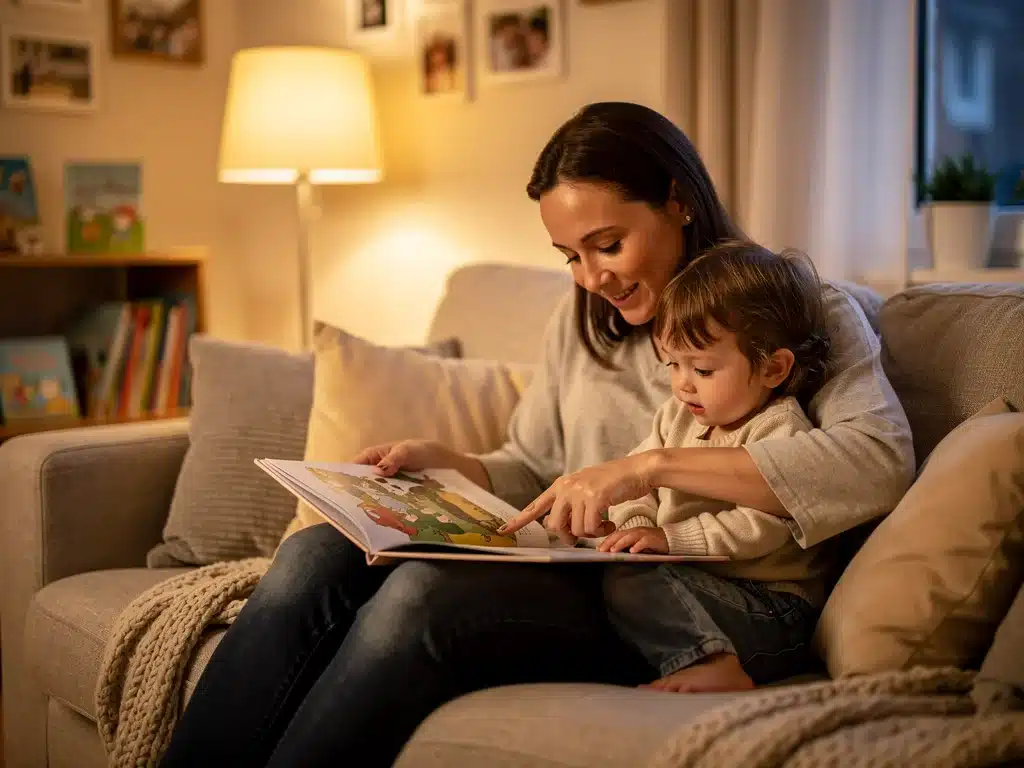
Creating a home environment where reading is valued and accessible is fundamental to improving a child’s literacy. This goes beyond simply having books; it involves integrating reading into daily routines and conversations.
When children see reading as a natural and enjoyable part of life, they are more likely to engage with it willingly and frequently. This consistent exposure builds vocabulary, comprehension, and fluency over time.
An intentional effort to make reading a central activity at home can significantly contribute to boosting your child’s reading scores and fostering a lifelong love of learning.
Establishing a Dedicated Reading Time
Designating a specific, consistent time each day for reading can establish a powerful routine. This could be 15-30 minutes before bed, after dinner, or during a quiet afternoon period.
Consistency signals to the child that reading is a priority and provides a predictable structure for engagement. It also allows for uninterrupted focus, which is crucial for developing concentration and comprehension skills.
This dedicated time, free from distractions, creates a positive association with reading and reinforces its importance in daily life, proving effective for boosting your child’s reading scores.
- Choose a comfortable, quiet space for reading.
- Allow your child to select books that genuinely interest them.
- Read aloud together, even for older children, to model fluent reading.
- Discuss the book’s content, characters, and plot to enhance comprehension.
Strategy 2: Engaging in Active and Interactive Reading
Passive reading, where a child merely decodes words without deep understanding, yields minimal benefits. Active and interactive reading strategies are essential for developing strong comprehension and critical thinking skills.
This approach involves asking questions, making predictions, and connecting the text to real-world experiences. Such engagement transforms reading from a solitary act into a dynamic learning process.
Parents who actively participate in their child’s reading journey will find this strategy incredibly effective for boosting your child’s reading scores and fostering a richer understanding of texts.
Asking Open-Ended Questions
Instead of simple yes/no questions, encourage deeper thought with open-ended inquiries during and after reading. Questions like “Why do you think the character did that?” or “What might happen next?” promote analytical thinking.
These types of questions help children process information, infer meaning, and articulate their understanding, which are critical components of reading comprehension. It moves them beyond surface-level understanding.
This dialogue ensures they are not just reading words but actively constructing meaning from the text, a vital skill for boosting your child’s reading scores across all subjects.
Making Text-to-Self, Text-to-Text, and Text-to-World Connections
Encourage your child to relate what they read to their own experiences (text-to-self), to other books they’ve read (text-to-text), or to broader world events (text-to-world). These connections deepen understanding and retention.
This strategy makes reading more personal and relevant, enhancing engagement and making abstract concepts more concrete. It fosters a more holistic and meaningful reading experience.
By drawing these connections, children develop a richer context for the material, which is incredibly beneficial for boosting your child’s reading scores and overall academic performance.
Strategy 3: Leveraging Technology for Reading Enhancement
In 2026, technology offers an array of powerful tools that can significantly support and enhance reading development. From interactive e-books to literacy apps, these resources can make learning engaging and personalized.
When used thoughtfully, technology can provide adaptive learning experiences, immediate feedback, and access to a vast library of diverse texts. This can be particularly motivating for reluctant readers.
Integrating these digital resources strategically is a modern and effective approach to boosting your child’s reading scores, complementing traditional methods with innovative learning opportunities.
Utilizing Educational Apps and Platforms
Numerous educational apps are designed specifically to improve phonics, vocabulary, fluency, and comprehension. Many offer gamified learning, which can keep children engaged and eager to learn.
Platforms like Lexia Core5, Raz-Kids, and Epic! provide personalized reading paths and track progress, offering insights into areas where a child might need more support. These tools can adapt to individual learning paces.
Careful selection of high-quality, age-appropriate apps can provide supplementary instruction and practice, making a noticeable difference in boosting your child’s reading scores.
- Research apps with strong educational backing and positive reviews.
- Ensure the content aligns with your child’s grade level and learning needs.
- Monitor screen time and balance digital reading with physical books.
- Use interactive features to discuss content and ask comprehension questions.
Strategy 4: Partnering Effectively with Teachers and Schools
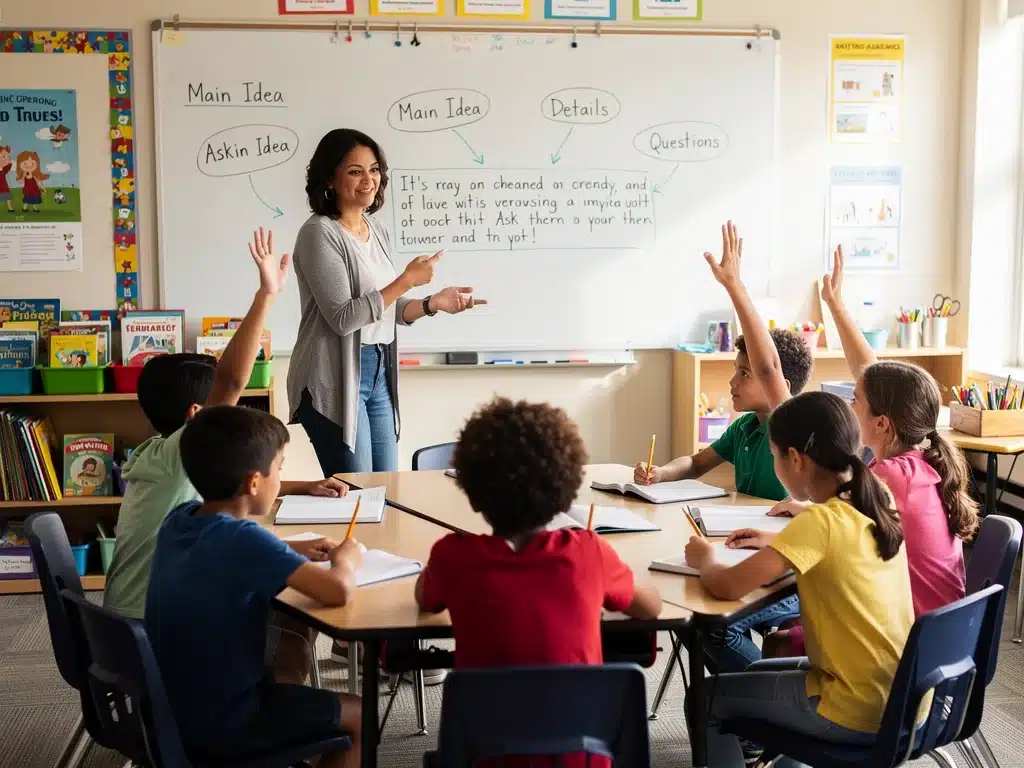
A strong home-school partnership is one of the most impactful factors in a child’s academic success, especially in reading. Open communication with teachers provides invaluable insights and ensures a cohesive support system.
Teachers possess professional expertise and direct observation of your child’s progress and challenges in the classroom. Collaborating with them allows for a unified approach to literacy development.
This alliance is crucial for identifying specific needs and implementing consistent strategies, ultimately aiding in boosting your child’s reading scores more effectively.
Regular Communication and Progress Monitoring
Schedule regular meetings or check-ins with your child’s teacher to discuss their reading progress, strengths, and areas needing improvement. Ask about specific classroom strategies you can reinforce at home.
Inquire about reading assessments used in school and how your child performs on them. Understanding these metrics helps you tailor your at-home support to align with school goals.
This ongoing dialogue ensures that both parents and educators are working towards the same objectives, creating a powerful synergy for boosting your child’s reading scores.
Understanding School Reading Programs and Resources
Familiarize yourself with the reading curriculum and resources used in your child’s school. Many schools offer parent workshops or provide access to online libraries and literacy tools.
Knowing the specific phonics programs, reading levels, or comprehension strategies employed by the school allows you to use consistent language and methods at home. This consistency reduces confusion and reinforces learning.
By actively engaging with school resources, parents can become better equipped to support their child’s reading journey, making a significant impact on boosting your child’s reading scores.
Strategy 5: Fostering a Love for Reading Through Diverse Genres and Formats
To truly excel in reading, a child needs to develop not just the skills but also a genuine passion for it. Exposing them to a wide variety of genres, authors, and formats can ignite and sustain this interest.
Limiting reading to only required school texts can make it feel like a chore. Offering choices and exploring different types of literature makes reading an adventure, not an obligation.
This breadth of exposure enhances vocabulary and comprehension across various contexts, proving a powerful method for boosting your child’s reading scores and nurturing lifelong readers.
Exploring Different Genres and Authors
Encourage your child to read beyond their comfort zone, exploring fiction, non-fiction, poetry, graphic novels, and biographies. Each genre offers unique vocabulary and narrative structures.
Introduce them to diverse authors and perspectives, reflecting different cultures and experiences. This broadens their worldview and deepens their understanding of human nature and society.
A varied reading diet keeps interest high and develops a more versatile reader, crucial for boosting your child’s reading scores and preparing them for complex texts in higher education.
Utilizing Audiobooks and Graphic Novels
Audiobooks can be excellent for developing listening comprehension, vocabulary, and an appreciation for storytelling, especially for children who struggle with decoding. They can also introduce children to more complex narratives.
Graphic novels, often underestimated, combine visual literacy with text, making them highly engaging for many children. They can be a gateway to more traditional books and are effective for reluctant readers.
These alternative formats provide accessible entry points into the world of stories and information, significantly contributing to boosting your child’s reading scores by making reading enjoyable and less intimidating.
| Key Strategy | Brief Description |
|---|---|
| Reading Environment | Create a home where reading is valued, accessible, and integrated into daily routines. |
| Interactive Reading | Engage children with questions, predictions, and connections to deepen comprehension. |
| Tech Integration | Utilize educational apps and e-books to personalize and enhance reading practice. |
| Home-School Partnership | Communicate regularly with teachers to align strategies and monitor progress effectively. |
Frequently Asked Questions About Boosting Reading Scores
For K-12 children, dedicating 15-30 minutes of focused reading time daily is highly beneficial. Consistency is more important than duration. This regular practice helps build fluency, vocabulary, and comprehension over time, directly contributing to boosting your child’s reading scores and overall literacy development.
If your child resists reading, try to make it more appealing by offering a wide variety of engaging materials, including graphic novels, magazines, or audiobooks. Allow them to choose topics they genuinely enjoy. Reading together, modeling good reading habits, and creating a positive, pressure-free environment can also significantly help in boosting your child’s reading scores.
Regular, proactive communication is key. Schedule meetings, send emails, or use school communication platforms to discuss your child’s reading progress and any concerns. Ask about specific strategies used in class and how you can reinforce them at home. This collaborative approach significantly aids in boosting your child’s reading scores.
Yes, when used judiciously, digital reading tools can be highly effective. Interactive e-books and educational apps offer personalized learning paths, immediate feedback, and engaging content. They can motivate reluctant readers and provide supplementary practice, but should always be balanced with traditional print reading for the best results in boosting your child’s reading scores.
Monitor progress through school reports, teacher feedback, and informal observations at home. Look for improvements in fluency, vocabulary, and comprehension. Regular discussions about books and their content can also reveal growing understanding. Consistent application of these strategies will lead to noticeable improvement in boosting your child’s reading scores.
Impact and Implications
The implementation of these five expert strategies carries significant implications for K-12 students and their families in 2026. By proactively adopting these approaches, parents can directly influence their child’s academic trajectory and overall confidence.
The focus on a reading-rich home, interactive engagement, strategic technology use, strong home-school partnerships, and diverse reading exposure creates a holistic support system. This integrated approach ensures that efforts to boost reading scores are sustained and comprehensive.
Ultimately, these strategies aim to equip children not just with better test results, but with a lifelong love for reading and the critical literacy skills essential for success in an increasingly complex world.
Continued vigilance and adaptation will be key to maintaining this momentum in boosting your child’s reading scores.