Social Security Updates 2026: 3 Key Changes for Your Retirement Benefits

Planning for your golden years requires staying ahead of the curve, especially with major regulatory shifts on the horizon. Keeping up with the Social Security 2026 Updates is the most effective way to ensure your financial blueprint remains accurate and robust.
This year, key modifications to cost-of-living adjustments, taxable wage caps, and earnings thresholds are set to directly alter monthly check amounts. These adjustments mean your distribution strategies may need a quick tune-up to keep your retirement goals on track.
Understanding these structural shifts now will help you protect your purchasing power and maximize your lifetime payouts. Let’s dive into the three critical changes that will define your government benefits in the coming year.
Understanding the Looming Social Security 2026 Updates
The Social Security Administration (SSA) and various congressional committees have been deliberating on critical adjustments slated for implementation by 2026.
These discussions are paramount as they directly influence the financial security of millions of American retirees. The proposed changes aim to address long-term solvency issues and adapt the program to evolving economic realities.
As of recent reports, three significant modifications are gaining traction, poised to reshape how retirement benefits are calculated and distributed.
These adjustments are not merely administrative; they carry substantial financial implications for both current and future recipients. Understanding these Social Security 2026 Updates is therefore essential for effective personal financial planning.
These impending alterations come amidst ongoing debates about the program’s sustainability and the demographic shifts within the United States.
Policymakers are striving to balance the needs of an aging population with the fiscal responsibilities of the federal government. The decisions made now will have lasting effects on the nation’s social safety net.
Key Change 1: Adjustments to the Full Retirement Age (FRA)
One of the most impactful proposals circulating involves a potential increase in the Full Retirement Age (FRA), the age at which individuals can claim their full Social Security benefits.
This adjustment is primarily driven by increases in life expectancy and the need to bolster the program’s financial footing. A higher FRA means individuals would need to work longer to receive their unreduced benefits.
Currently, the FRA varies based on birth year, gradually increasing from 65 to 67 for those born in 1960 or later.
The proposed Social Security 2026 Updates could see this age pushed even further, potentially affecting those nearing retirement. Such a change would necessitate a re-evaluation of retirement timelines for many Americans.
The implications of raising the FRA are far-reaching. It could influence workforce participation rates among older adults, alter personal savings strategies, and potentially impact the overall economic landscape.
Individuals planning to retire soon should closely monitor these developments to adjust their strategies accordingly.
Understanding the Impact of a Higher FRA
A higher FRA means that claiming benefits before this new age would result in a greater permanent reduction in monthly payments. This encourages individuals to delay claiming, which can be a double-edged sword.
While it provides more substantial monthly checks later, it also requires individuals to either work longer or rely on other income sources during the interim.
For those who are unable to work past their current FRA due to health or other circumstances, an increased FRA could present significant financial hardship.
This aspect of the Social Security 2026 Updates is particularly contentious, as it disproportionately affects certain segments of the population. Advocacy groups are actively voicing their concerns regarding equity and accessibility.
- Individuals born in 1960 or later may face an FRA beyond 67.
- Early claiming penalties could become more severe.
- Retirement planning needs immediate reassessment to factor in potential delays.
Key Change 2: Modifications to the Cost-of-Living Adjustment (COLA) Formula
Another significant area of potential reform within the Social Security 2026 Updates is the methodology used to calculate the annual Cost-of-Living Adjustment (COLA). COLA is designed to ensure that Social Security benefits retain their purchasing power in the face of inflation.
Currently, COLA is calculated using the Consumer Price Index for Urban Wage Earners and Clerical Workers (CPI-W).
Proposals suggest shifting to an alternative inflation measure, such as the Chained Consumer Price Index (Chained CPI).
This alternative index typically shows lower inflation rates over time, as it accounts for consumers’ tendency to substitute cheaper goods when prices rise. A change to Chained CPI would likely result in smaller annual COLA increases for beneficiaries.
While a move to Chained CPI could contribute to the long-term solvency of the Social Security program, it would also mean slower growth in benefits for retirees.
This could lead to a gradual erosion of purchasing power, especially for those who rely heavily on Social Security as their primary source of income. The debate around this change highlights the tension between fiscal responsibility and beneficiary welfare.
Implications of a Revised COLA Formula
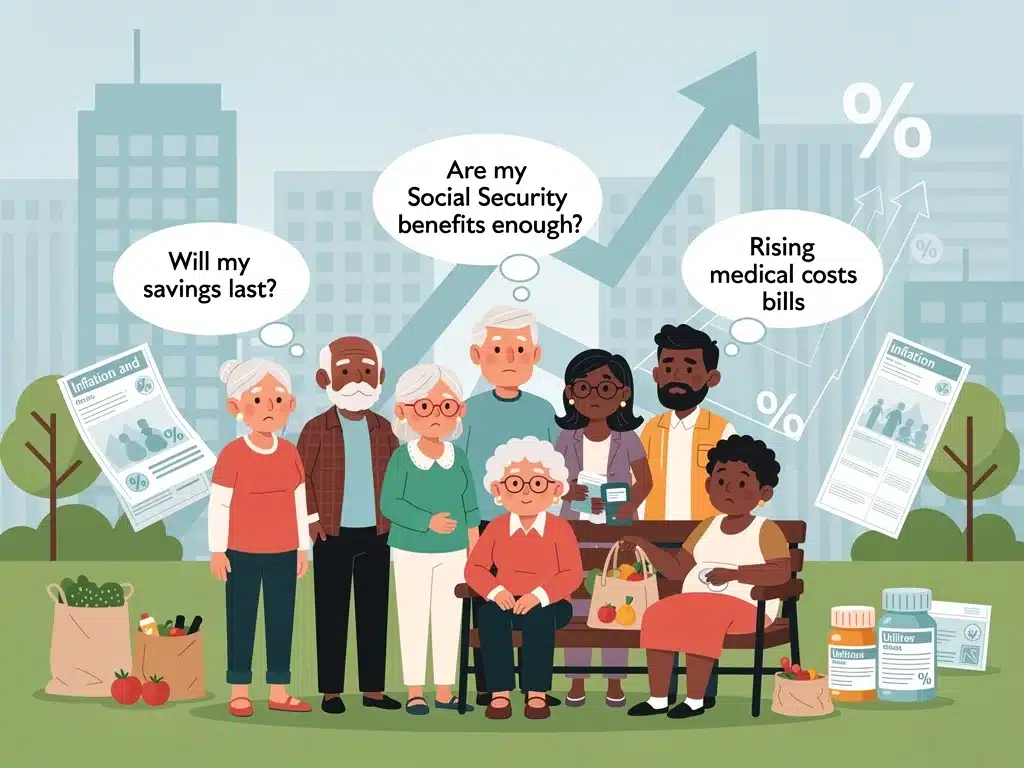
A smaller annual COLA, while seemingly minor in any single year, compounds over time, leading to a substantial difference in overall lifetime benefits.
This could mean that future retirees would find their fixed incomes struggling to keep pace with the actual cost of living, particularly for essential expenses like healthcare and housing, which often inflate at higher rates than general consumer goods.
For beneficiaries on tight budgets, even a slight reduction in COLA growth can have a profound impact on their financial stability.
This aspect of the Social Security 2026 Updates is particularly sensitive, as it directly affects the daily lives and economic security of millions of older Americans. Advocacy groups are pushing for measures that protect the purchasing power of benefits.
- Switching to Chained CPI would likely lead to smaller annual benefit increases.
- Beneficiaries could experience a gradual reduction in their purchasing power over time.
- This change aims to improve program solvency but may impact retirees’ financial stability.
Key Change 3: Adjustments to the Social Security Earnings Test
The third significant area of potential reform within the Social Security 2026 Updates involves modifications to the Social Security Earnings Test.
This test applies to individuals who claim benefits before their Full Retirement Age and continue to work. Under current rules, if earnings exceed a certain limit, a portion of their Social Security benefits is temporarily withheld.
Discussions are underway to either raise the earnings limit significantly, phase out the test entirely, or adjust the rate at which benefits are withheld.
The rationale behind these proposals is to incentivize older Americans to remain in the workforce longer without being penalized by a reduction in their Social Security income. This could benefit both individuals and the economy.
Any adjustment to the earnings test would have a direct impact on working retirees and those considering part-time work in their early retirement years.
It could provide greater flexibility and financial incentives for continued employment, potentially easing the transition into full retirement. This change is generally viewed more favorably by many stakeholders.
How a Revised Earnings Test Could Impact You
If the earnings limit is increased or the test is relaxed, individuals who work while receiving early Social Security benefits would be able to keep more of their earned income.
This could provide a much-needed financial boost, allowing them to supplement their retirement income without losing a significant portion of their Social Security checks. It would encourage a more gradual transition from full-time work to full retirement.
Eliminating or substantially altering the earnings test would also simplify the claiming process and reduce administrative burdens for both beneficiaries and the SSA.
This aspect of the Social Security 2026 Updates could foster greater financial independence and flexibility for older workers. The current earnings test can often act as a disincentive to continued employment.
- Proposed changes could allow working retirees to keep more of their benefits.
- This aims to incentivize continued workforce participation among older Americans.
- A revised test could offer greater financial flexibility and reduce administrative complexity.
The Broader Context of Social Security Reform
These three potential Social Security 2026 Updates are not isolated proposals but rather part of a larger ongoing discussion about the long-term solvency and sustainability of the Social Security program.
The system faces demographic challenges, including an aging population and lower birth rates, which mean fewer workers are contributing for each retiree beneficiary. Addressing these issues is complex and requires careful consideration of various economic and social factors.
Lawmakers and policy experts are exploring a range of solutions beyond these three key changes, including potential adjustments to the Social Security tax cap, changes to benefit formulas for high earners, and even discussions about how to invest a portion of the trust funds.
The goal is to ensure that Social Security remains a vital safety net for future generations while also fulfilling its promises to current beneficiaries. The political will to enact comprehensive reform is a critical factor.
The public discourse surrounding these reforms is often highly charged, as any change to Social Security directly impacts millions of Americans.
It is crucial for citizens to stay informed, participate in discussions, and communicate their concerns to their elected representatives. The collective voice of beneficiaries and taxpayers will play a significant role in shaping the final outcomes of these important deliberations.
Navigating the Future of Your Retirement Benefits
As the Social Security 2026 Updates draw closer, it becomes increasingly important for individuals to proactively assess their retirement plans.
This involves understanding how potential changes to the Full Retirement Age, COLA calculations, and the earnings test could personally affect their financial outlook. Early planning and adaptation can mitigate potential negative impacts.
Financial advisors often recommend diversifying retirement income sources and not relying solely on Social Security benefits. This strategy becomes even more pertinent in an environment of potential program modifications.
Exploring options such as personal savings, 401(k)s, IRAs, and other investment vehicles can provide a stronger financial foundation for your golden years. These proactive steps are vital.
Staying informed through official channels, reputable news sources, and financial experts is paramount.
The landscape of Social Security is dynamic, and continuous monitoring of legislative actions and policy announcements will be crucial. Being prepared for these Social Security 2026 Updates can help individuals make informed decisions and secure their financial future.
| Key Change | Brief Description |
|---|---|
| Full Retirement Age (FRA) | Potential increase beyond 67, impacting when full benefits can be claimed. |
| COLA Formula | Possible shift to Chained CPI, resulting in smaller annual benefit increases. |
| Earnings Test | Potential adjustments to limits or elimination, affecting working retirees. |
| Program Solvency | Underlying goal of all changes to ensure long-term financial health of Social Security. |
Frequently Asked Questions About Social Security 2026 Updates
The main reasons for the proposed Social Security 2026 Updates are to address the program’s long-term financial solvency and adapt to changing demographics, such as increased life expectancy and lower birth rates. These adjustments aim to ensure the system can continue to pay benefits for future generations, balancing fiscal sustainability with beneficiary needs.
If the FRA increases, you would need to work longer to receive your full Social Security benefits. Claiming benefits before the new FRA would result in a greater permanent reduction in your monthly payments. This change requires individuals to re-evaluate their retirement timelines and financial plans to account for potential delays in receiving unreduced benefits.
A shift in the COLA formula, such as to the Chained CPI, typically results in smaller annual benefit increases compared to the current method. This means your Social Security payments may not grow as quickly, potentially leading to a gradual erosion of purchasing power over time, especially concerning essential living expenses like healthcare and housing costs.
Changes to the Social Security Earnings Test will primarily impact individuals who claim benefits before their Full Retirement Age and continue to work. If the earnings limit is raised or the test is relaxed, these working retirees could keep more of their earned income without their benefits being withheld, offering greater financial flexibility and an incentive to continue working.
Official information regarding these Social Security 2026 Updates can be found on the Social Security Administration (SSA) website, congressional committee reports, and reputable government publications. It is crucial to consult these authoritative sources to ensure you receive accurate and up-to-date information, avoiding misinformation and making informed decisions about your retirement benefits.
Looking Ahead: Preparing for Social Security 2026 Updates
The impending Social Security 2026 Updates underscore the necessity for proactive financial planning and continued vigilance. These proposed changes are not just theoretical; they represent tangible shifts that will influence the retirement landscape for millions.
Understanding the implications of a higher FRA, a revised COLA formula, and adjustments to the earnings test is crucial for all Americans.
Individuals should use this information as a catalyst to review their current retirement strategies, consult with financial advisors, and consider diversifying their income streams.
The goal is to build resilience against potential shifts in Social Security benefits. Staying informed through official announcements and engaging in public discourse will be key to navigating these changes effectively.
Ultimately, while the specifics of the Social Security 2026 Updates are still being finalized, the direction of reform is clear: to ensure the program’s long-term viability.
By understanding the potential impacts now, beneficiaries and future retirees can make informed decisions to secure their financial well-being in the years to come.