Consumer Protection Warning: Latest Data Breaches Affecting Over 50 Million Americans in the Last 3 Months
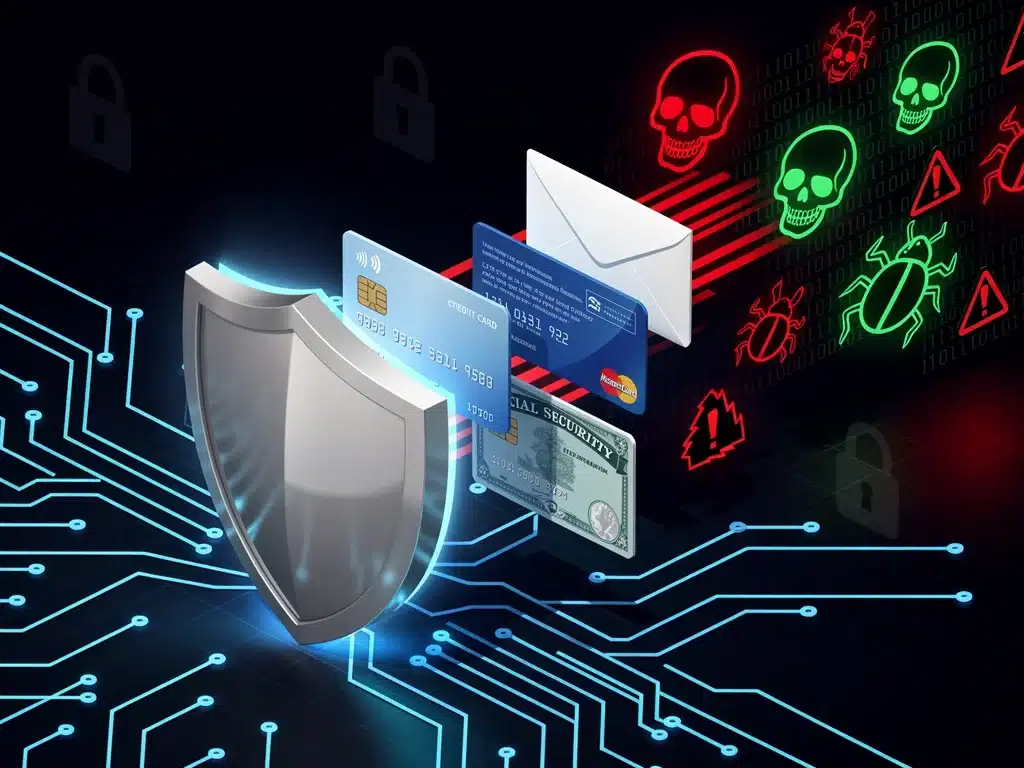
Have you checked your financial accounts or credit reports recently to ensure your sensitive details are still secure? With widespread Data Breaches exposing the personal credentials of over 50 million citizens, your private information may already be circulating in unauthorized hands.
Instead of waiting for an official alert that might come too late, recognizing the warning signs of identity theft is your strongest defense. Sophisticated network intrusions and compromised vendor databases mean that stolen identity records can be exploited for financial fraud overnight.
If you want to lock down your personal records and prevent bad actors from ruining your credit score, taking proactive measures is essential. Let’s break down how this massive exposure happened and the exact steps you need to take right now to protect yourself.
The Alarming Scope of Recent Data Breaches
Authorities have confirmed a significant increase in the frequency and severity of data breaches, impacting a staggering number of Americans. Reports indicate that over 50 million individuals have had their personal data compromised in the past three months alone.
This widespread exposure underscores the urgent need for robust consumer protection measures and proactive cybersecurity strategies. The affected data ranges from financial details to sensitive personal identifiers, posing substantial risks to those impacted.
Industry experts and government agencies are working collaboratively to assess the full extent of the damage and to implement preventative measures. However, the onus also falls on individual consumers to understand and mitigate their personal risk.
Major Incidents and Affected Sectors
Several high-profile organizations across various sectors, including healthcare, finance, and retail, have reported significant security incidents. These breaches often involve sophisticated attack vectors, highlighting the evolving nature of cyber threats.
The compromised data frequently includes names, addresses, Social Security numbers, credit card information, and health records. Such information can be exploited for identity theft, financial fraud, and other malicious activities, leading to severe consequences for victims.
Each incident serves as a stark reminder of the vulnerabilities inherent in digital systems and the continuous battle against cybercriminals. The scale of these attacks demands a unified response from both the public and private sectors.
- Healthcare Providers: Numerous medical organizations have faced breaches, exposing sensitive patient health information.
- Financial Institutions: Banks and credit unions have reported incidents leading to compromised account details and financial credentials.
- Retail Chains: Customer data, including payment information and purchase histories, has been stolen from several major retailers.
- Government Agencies: Even government databases have been targeted, affecting federal and state employee and citizen records.
Impact on Consumer Trust and Security
The continuous stream of data breach news erodes consumer trust in the institutions responsible for protecting their data. This erosion can have long-term consequences for businesses and the broader digital economy.
Consumers are increasingly wary of sharing personal information online, leading to a demand for greater transparency and accountability from organizations.
The psychological impact on individuals whose data has been exposed also cannot be overstated, often resulting in anxiety and financial distress.
Restoring this trust requires not only enhanced security measures but also clear communication and robust support systems for affected individuals. The focus must shift from reactive responses to proactive prevention and rapid, effective remediation.
Understanding the Risks Posed by Compromised Data
When personal data is stolen, the implications extend far beyond a mere inconvenience. Victims face a heightened risk of identity theft, financial fraud, and even reputational damage, requiring immediate and sustained action.
Cybercriminals leverage compromised information to open new accounts, make unauthorized purchases, or file fraudulent tax returns. The long-term consequences can be devastating, impacting credit scores, employment, and overall financial stability.
It is crucial for every American to grasp the full spectrum of risks associated with these breaches. A comprehensive understanding empowers individuals to take decisive steps in protecting themselves from potential harm.
Identity Theft: The Silent Threat
Identity theft is one of the most prevalent and damaging consequences of data breaches. Thieves use stolen personal identifiers to impersonate victims, gaining access to financial resources and personal services.
Detecting identity theft can be challenging, as fraudulent activities may not be immediately apparent. Regular monitoring of financial statements and credit reports is essential for early detection and intervention.
The process of recovering from identity theft can be lengthy and emotionally taxing, often requiring significant time and effort to rectify fraudulent accounts and restore one’s financial standing.
Financial Fraud and Credit Damage
Compromised financial data, such as credit card numbers and bank account details, directly leads to monetary losses. Fraudulent transactions can quickly drain accounts and max out credit lines.
Beyond immediate financial losses, these incidents can severely damage an individual’s credit score, making it difficult to obtain loans, mortgages, or even secure housing. Rebuilding credit takes time and diligent effort.
The financial services industry is continuously developing new fraud detection mechanisms, but consumers remain the first line of defense in identifying and reporting suspicious activities promptly.
Proactive Measures for Consumer Protection
Given the persistent threat of consumer data breaches, adopting a proactive stance on personal cybersecurity is no longer optional; it is a necessity. Consumers must take concrete steps to safeguard their digital footprint.
Implementing strong passwords, enabling multi-factor authentication, and being vigilant about phishing attempts are foundational practices. These simple yet effective measures can significantly reduce vulnerability to cyberattacks.
Staying informed about the latest security threats and best practices is also critical. Education and awareness are powerful tools in the ongoing fight against cybercrime, empowering individuals to protect themselves.
Strengthening Digital Security Habits
Creating unique, complex passwords for each online account is a fundamental security practice. Reusing passwords across multiple platforms dramatically increases the risk if one account is compromised.
Multi-factor authentication (MFA) adds an extra layer of security by requiring a second form of verification, such as a code sent to your phone. This makes it much harder for unauthorized users to access your accounts, even if they have your password.
Regularly updating software and operating systems ensures that you benefit from the latest security patches. Outdated software often contains vulnerabilities that cybercriminals can exploit to gain access to your devices and data.
- Use Strong, Unique Passwords: Employ a mix of upper and lower case letters, numbers, and symbols for each account.
- Enable Multi-Factor Authentication (MFA): Activate MFA whenever available for an added layer of security.
- Be Wary of Phishing: Exercise caution with unsolicited emails, texts, or calls requesting personal information.
- Regularly Update Software: Keep all your devices and applications updated to patch security vulnerabilities.
Monitoring Your Financial Health
Regularly checking bank statements, credit card activity, and credit reports is vital for detecting fraudulent activities early. Many financial institutions offer alerts for suspicious transactions.
Signing up for credit monitoring services can provide timely notifications of any unusual activity related to your credit file. These services can be invaluable in identifying and addressing potential identity theft quickly.
The Federal Trade Commission (FTC) and major credit bureaus offer resources for consumers to obtain free credit reports annually. Utilizing these resources is a critical component of maintaining financial security.
Government and Industry Responses to Data Breaches
In response to the escalating number of consumer data breaches, both government bodies and private industries are intensifying their efforts to enhance cybersecurity. New regulations and technological advancements are continually being developed.
Legislation like the California Consumer Privacy Act (CCPA) and proposed federal privacy laws aim to give consumers more control over their personal data. These frameworks are designed to hold companies more accountable.
The implementation of these laws, however, can be complex, requiring businesses to overhaul their data handling practices. This shift towards greater transparency and consumer control is a significant step forward in consumer protection.
Enforcement agencies are also increasing their oversight and imposing substantial penalties on organizations that fail to comply with data protection standards. This punitive approach aims to incentivize better security practices across the board.
Technological Advancements in Cybersecurity
The cybersecurity landscape is constantly evolving, with new technologies emerging to combat sophisticated threats. Artificial intelligence and machine learning are being used to detect anomalies and predict potential attacks before they occur.
Blockchain technology is also being explored for its potential to create more secure and immutable records, particularly in areas like identity management. These innovations offer promising avenues for strengthening digital defenses.
Furthermore, the development of secure coding practices and penetration testing has become standard for many organizations. These proactive measures aim to identify and rectify vulnerabilities before they can be exploited by malicious actors.
The Long-Term Implications for American Consumers
The current wave of consumer data breaches is not merely a transient issue but signals a fundamental shift in the digital risk landscape. The long-term implications for American consumers are profound and far-reaching.
Individuals must adapt to a new reality where personal data is a valuable commodity, constantly targeted by cybercriminals. This necessitates a continuous commitment to personal cybersecurity and vigilance.
The collective effort of consumers, businesses, and government agencies will determine the effectiveness of future consumer protection strategies. The stakes are high, and the need for sustained action is paramount.
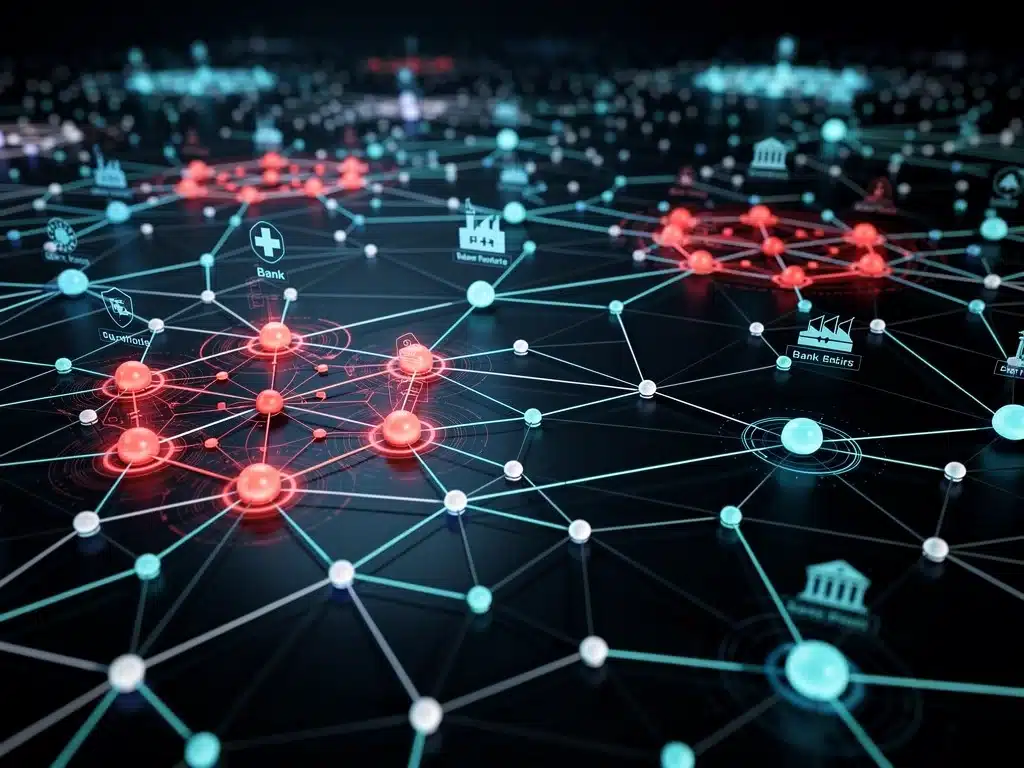
Adapting to an Evolving Threat Landscape
Cybercriminals are continually developing new methods to bypass security measures, making it essential for consumers to stay informed and adaptable. What works today may not be sufficient tomorrow.
This requires a mindset of continuous learning and vigilance, embracing new security tools and practices as they emerge. The digital world is dynamic, and personal security strategies must reflect this fluidity.
Public awareness campaigns and educational initiatives play a crucial role in empowering individuals to navigate this complex environment. Knowledge is the most effective defense against evolving cyber threats.
Building a Resilient Digital Future
The ultimate goal is to build a digital ecosystem that is inherently more resilient to data breaches. This involves a multi-faceted approach, combining technological innovation, robust policy, and informed consumer behavior.
Investing in cybersecurity infrastructure, fostering a culture of security within organizations, and educating the public are all integral components of this vision. A truly secure digital future requires a collective commitment from all stakeholders.
The lessons learned from the recent consumer data breaches will undoubtedly shape future strategies and investments in cybersecurity. By working together, it is possible to create a safer and more secure online environment for all Americans.
| Key Point | Brief Description |
|---|---|
| Over 50 Million Affected | Recent data breaches have compromised the personal information of over 50 million Americans in the last three months. |
| Identity Theft Risk | Compromised data significantly increases the risk of identity theft and financial fraud for affected individuals. |
| Proactive Protection | Consumers must adopt strong passwords, MFA, and credit monitoring to mitigate risks from consumer data breaches. |
| Regulatory Response | Government and industry are implementing new regulations and technologies to enhance cybersecurity and consumer protection. |
Frequently Asked Questions About Data Breaches
A data breach occurs when unauthorized individuals gain access to sensitive, protected, or confidential data. This can happen through various methods, including hacking, malware, or human error, leading to the exposure of personal information. The recent Data Breaches highlights this ongoing threat.
If your data is part of a breach, the affected organization is usually legally obligated to notify you. Additionally, you can use services like Have I Been Pwned or regularly check your credit reports for suspicious activity. Monitoring your financial statements closely is also a critical step in identifying potential compromise from consumer data breaches.
Immediately change your passwords for the compromised account and any other accounts using similar credentials. Enable multi-factor authentication, monitor your credit reports, and consider placing a fraud alert or credit freeze. Prompt action is crucial to minimize the impact of these consumer data breaches on your financial security.
Yes, many jurisdictions have laws holding companies responsible for protecting customer data. These laws often require companies to implement reasonable security measures and to notify affected individuals and authorities in the event of a breach. Failure to comply can result in significant fines and legal action, underscoring the importance of consumer data breaches regulations.
Practice strong cybersecurity hygiene: use unique, complex passwords, enable MFA, be cautious of phishing scams, and keep your software updated. Regularly review your financial statements and credit reports. Staying informed about the latest threats and adopting proactive measures are your best defense against consumer data breaches.
What This Means
The current Data Breaches underscores a critical juncture in digital security. This situation necessitates a renewed focus on individual vigilance and systemic improvements in cybersecurity infrastructure.
It highlights that the responsibility for data protection is shared among consumers, corporations, and government entities.
Moving forward, consumers should anticipate increased regulatory scrutiny and a continuous evolution in protective technologies.
Staying informed about these developments and actively managing personal digital security will be paramount. The landscape of cyber threats is dynamic, requiring ongoing adaptation and education to mitigate risks effectively.
Ultimately, these incidents serve as a potent reminder that our digital identities are constantly under threat. Proactive engagement with security best practices and a critical awareness of potential vulnerabilities are no longer optional, but essential components of modern life.