Cybersecurity Threat Landscape 2026: Government Warnings & Strategies
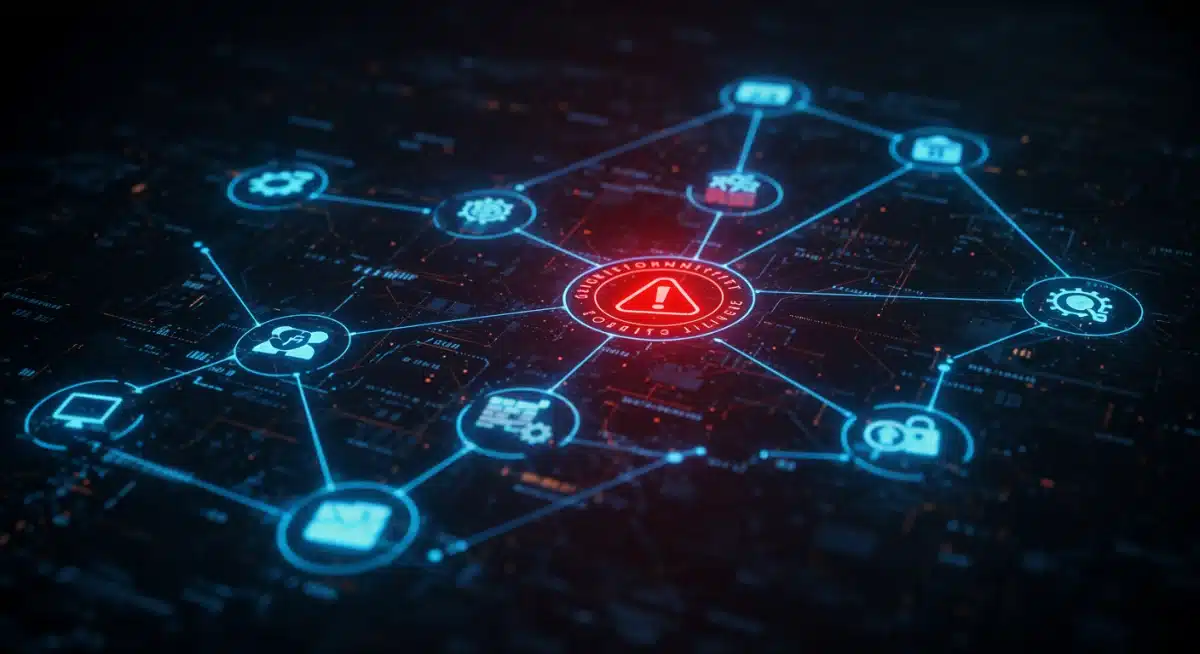
Latest developments on Cybersecurity Threat Landscape 2026: New Government Warnings and Protection Strategies, with key facts, verified sources and what readers need to monitor next in Estados Unidos, presented clearly in Inglês (Estados Unidos) (en-US).
The Cybersecurity Threat Landscape 2026: New Government Warnings and Protection Strategies is shaping today’s agenda with new details released by officials and industry sources. This update prioritizes what changed, why it matters and what to watch next, in a straightforward news format.
Government warnings and expert analyses indicate a significant escalation in cyber threats, demanding immediate attention from both public and private sectors. The proactive stance taken by authorities aims to mitigate potential damage and enhance national security against sophisticated attacks.
This report delves into the specifics of these warnings, outlining the nature of emerging threats and the strategic measures being implemented. Understanding these developments is crucial for organizations and individuals to fortify their digital defenses effectively.
Understanding the Evolving Cybersecurity Threat Landscape 2026
The Cybersecurity Threat Landscape 2026 is characterized by an increasing sophistication of cyber adversaries, including state-sponsored hackers and organized crime groups. These entities are leveraging advanced techniques to target critical infrastructure, government agencies, and private enterprises, posing significant risks to national security and economic stability.
Recent government assessments highlight a shift towards more evasive and persistent attack methods, making traditional security measures less effective. The focus is now on proactive intelligence gathering, threat sharing, and developing resilient defense architectures capable of withstanding multi-faceted assaults.
Authorities are urging a collaborative approach, emphasizing that cybersecurity is a shared responsibility. This involves not only technological advancements but also comprehensive training and awareness programs across all levels of an organization.
Key Threat Vectors and Emerging Vulnerabilities
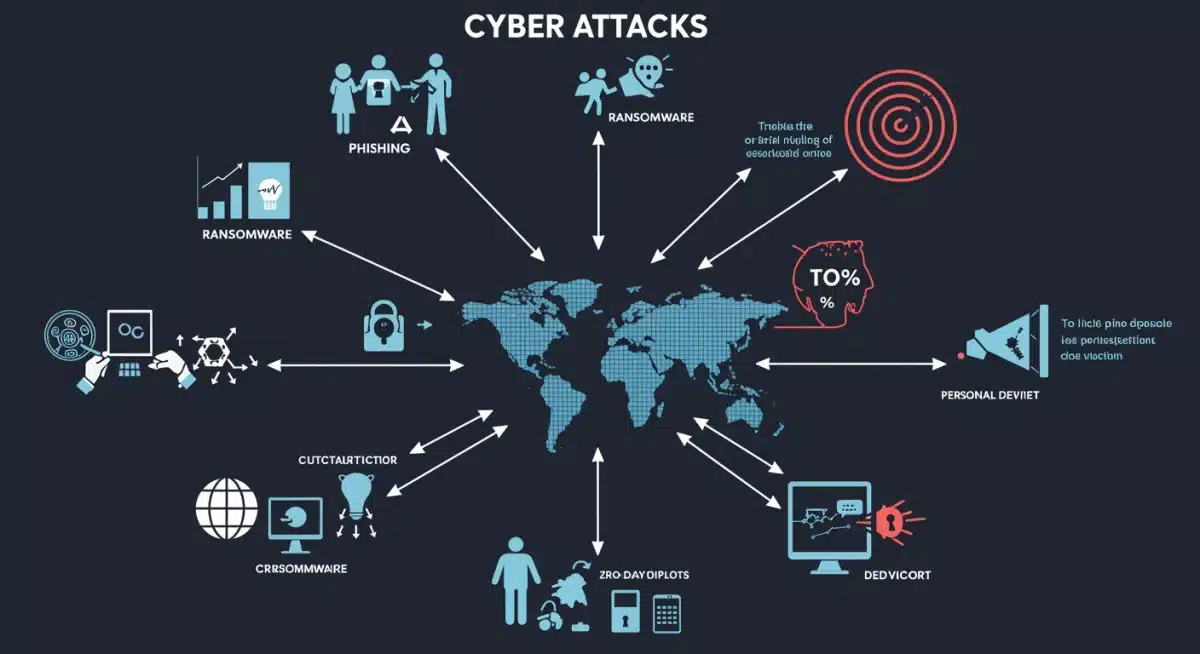
The primary threat vectors include sophisticated ransomware attacks, supply chain compromises, and the exploitation of zero-day vulnerabilities. These attacks are designed to disrupt operations, exfiltrate sensitive data, and extort significant financial resources from victims.
Emerging vulnerabilities are often found in new technologies such as artificial intelligence, quantum computing, and the Internet of Things (IoT). As these technologies become more integrated into daily operations, they introduce new entry points for malicious actors, expanding the attack surface significantly.
- Ransomware-as-a-Service (RaaS) models continue to proliferate, lowering the barrier to entry for cybercriminals.
- Nation-state actors are increasingly targeting critical national infrastructure, including energy grids and healthcare systems.
- Supply chain attacks exploit trusted relationships, compromising software or hardware components before they reach the end-user.
- The rise of deepfake technology and sophisticated phishing campaigns makes social engineering more potent.
Government Warnings and Intelligence Briefings
Several government agencies have issued updated warnings, underscoring the severity of the current situation. These warnings often include detailed intelligence briefings on specific threat groups, their methodologies, and potential targets.
The Department of Homeland Security (DHS) and the Cybersecurity and Infrastructure Security Agency (CISA) have been particularly vocal, providing actionable guidance for organizations. Their advisories emphasize the importance of timely patching, multi-factor authentication, and robust incident response plans.
These briefings are crucial for organizations to understand the specific threats they face and to allocate resources effectively for defense. The intelligence shared helps in anticipating attacks rather than merely reacting to them.
Strategic Protection Strategies for the Cybersecurity Threat Landscape 2026
In response to the escalating Cybersecurity Threat Landscape 2026, governments are advocating for a multi-layered defense strategy. This approach integrates advanced technological solutions with policy frameworks and human expertise to create a comprehensive security posture.
One core component of this strategy is the adoption of a Zero Trust architecture, which mandates strict identity verification for every user and device attempting to access resources on a private network, regardless of whether they are inside or outside the network perimeter.
Furthermore, there is a strong push for enhanced information sharing between government entities and the private sector. This collaboration allows for rapid dissemination of threat intelligence and coordinated responses to large-scale cyber incidents, strengthening collective defense capabilities.
Implementing Zero Trust Architectures
Zero Trust is no longer a theoretical concept but a practical necessity in navigating the Cybersecurity Threat Landscape 2026. It operates on the principle of ‘never trust, always verify,’ meaning no user or device is inherently trusted, even if they are within the organizational network.
Implementing Zero Trust involves rigorous authentication, authorization, and continuous validation of every access request. This significantly reduces the risk of lateral movement by attackers who might have breached initial perimeter defenses.
- Micro-segmentation isolates network segments, limiting the impact of a breach to a small area.
- Continuous monitoring and analytics detect anomalous behavior and potential threats in real-time.
- Least privilege access ensures users only have the necessary permissions for their specific tasks.
- Strong identity and access management (IAM) forms the backbone of Zero Trust, verifying user identities.
Enhancing Cyber Resilience and Incident Response
Beyond preventing attacks, organizations must focus on cyber resilience—their ability to withstand and quickly recover from cyber incidents. This includes developing robust backup and recovery plans, as well as comprehensive incident response frameworks.
Government guidance emphasizes the importance of regular drills and simulations to test incident response capabilities. These exercises help identify weaknesses in existing plans and ensure that teams are prepared to act swiftly and effectively when a real attack occurs.
A well-defined incident response plan minimizes downtime, reduces financial losses, and protects an organization’s reputation. It is an indispensable part of any modern cybersecurity strategy.
The Role of Government in Fortifying Cybersecurity Defenses
Governments play a pivotal role in shaping the response to the Cybersecurity Threat Landscape 2026. Their functions extend beyond issuing warnings to include developing national cybersecurity policies, funding research and development, and fostering international cooperation.
Agencies like CISA in the U.S. are instrumental in providing resources, training, and direct support to critical infrastructure sectors. Their initiatives aim to build a unified front against cyber adversaries and ensure a consistent level of protection across the nation.
Furthermore, regulatory bodies are introducing new compliance requirements, compelling organizations to adopt higher security standards. These regulations are designed to raise the overall cybersecurity posture of industries deemed vital to national interest.
National Cybersecurity Policies and Regulations
To combat the evolving Cybersecurity Threat Landscape 2026, governments are enacting more stringent cybersecurity policies and regulations. These policies often mandate specific security controls, reporting requirements, and penalties for non-compliance, pushing organizations to prioritize security investments.
Examples include the National Cybersecurity Strategy, which outlines the government’s approach to securing digital infrastructure, and sector-specific regulations for industries like finance, healthcare, and defense. These frameworks provide a legal and operational basis for enhanced cybersecurity.
The aim is to create a baseline of security that protects sensitive data and critical systems, fostering a more secure digital ecosystem for all stakeholders. Compliance with these regulations is becoming non-negotiable for businesses operating in regulated sectors.
International Collaboration and Threat Intelligence Sharing
Given the global nature of cyber threats, international collaboration is essential. Governments are actively engaging in multilateral forums to share threat intelligence, coordinate defense efforts, and develop common standards for cybersecurity.
Partnerships with allied nations and participation in organizations like NATO and the UN Cybercrime Convention are critical for addressing cross-border cyberattacks. These collaborations enable a more comprehensive understanding of global threat actors and their tactics.
Sharing threat intelligence in real-time allows countries to anticipate and prevent attacks that might originate from different parts of the world, creating a collective defense mechanism against a common enemy.
Impact on Businesses and Critical Infrastructure
The Cybersecurity Threat Landscape 2026 presents unique challenges for businesses and critical infrastructure operators. The potential for operational disruption, data breaches, and financial losses has never been higher, necessitating a proactive and adaptive approach to security.
Critical infrastructure, including energy, water, and transportation systems, is particularly vulnerable due to its interconnectedness and the severe consequences of disruption. Governments are providing targeted support and guidance to these sectors to enhance their defenses.
For businesses, the impact extends beyond direct financial costs to include reputational damage, loss of customer trust, and potential legal liabilities. Investing in robust cybersecurity is no longer an option but a fundamental requirement for survival and growth.
Protecting Supply Chains from Cyber Attacks
Supply chain attacks are a growing concern within the Cybersecurity Threat Landscape 2026. Attackers compromise less secure vendors or software components to gain access to larger, more secure targets, creating a ripple effect across entire industries.
Organizations must implement rigorous vendor risk management programs, conduct regular security assessments of their suppliers, and ensure that all third-party software and hardware are thoroughly vetted. This proactive stance helps prevent malicious code from entering their systems through trusted channels.
- Conducting thorough due diligence on all third-party vendors and partners.
- Implementing software bill of materials (SBOMs) to track all components in software.
- Establishing strict security clauses in contracts with suppliers.
- Regularly auditing supply chain partners for security compliance.
Securing Operational Technology (OT) and IoT Devices
The convergence of IT and OT environments, along with the proliferation of IoT devices, has introduced new vulnerabilities. Operational Technology (OT) systems, which control industrial processes, were traditionally isolated but are now increasingly connected to corporate networks, making them targets for cyberattacks.
Securing OT and IoT devices requires specialized strategies, as these systems often have different characteristics and constraints compared to traditional IT. This includes network segmentation, anomaly detection, and robust patch management for embedded systems.
Protecting these devices is crucial to prevent disruptions to essential services and industrial operations, which could have severe real-world consequences. The Cybersecurity Threat Landscape 2026 demands a holistic approach that covers all connected assets.
Individual Preparedness in the Cybersecurity Threat Landscape 2026
While governments and corporations focus on large-scale defenses, individual preparedness remains a crucial element in navigating the Cybersecurity Threat Landscape 2026. Personal cybersecurity practices can significantly reduce the overall attack surface and protect sensitive personal information.
Government advisories often include recommendations for individuals, emphasizing basic but effective security habits. These measures, when adopted widely, contribute to a stronger collective defense against common cyber threats.
Educating oneself about common attack methods, such as phishing and social engineering, is the first step towards personal cyber resilience. The human element often remains the weakest link in the security chain.
Best Practices for Personal Cybersecurity
Adopting strong personal cybersecurity practices is paramount in the Cybersecurity Threat Landscape 2026. Simple steps can make a significant difference in protecting against various threats.
Using strong, unique passwords for all accounts and enabling multi-factor authentication (MFA) wherever possible are fundamental. Regularly backing up important data to secure, off-site locations also provides a critical safety net against ransomware and data loss.
- Utilize a reputable password manager to generate and store complex passwords.
- Be wary of unsolicited emails, messages, or calls asking for personal information (phishing).
- Keep all software and operating systems updated to patch known vulnerabilities.
- Use antivirus and anti-malware software on all devices and ensure it is regularly updated.
Recognizing and Reporting Cyber Scams
The ability to recognize and report cyber scams is a vital skill for individuals in the current Cybersecurity Threat Landscape 2026. Scammers constantly evolve their tactics, employing sophisticated social engineering techniques to trick unsuspecting victims.
Being skeptical of urgent requests, unexpected offers, or communications that seem too good to be true is always advisable. Verifying the legitimacy of senders and websites before clicking links or downloading attachments can prevent many common attacks.
Reporting suspicious activities to relevant authorities, such as the FBI’s Internet Crime Complaint Center (IC3) or local law enforcement, helps in tracking down cybercriminals and preventing future incidents. Collective vigilance strengthens community defenses.
Technological Advancements in Cybersecurity Defenses
The Cybersecurity Threat Landscape 2026 is being met with rapid advancements in defensive technologies. Innovations in artificial intelligence (AI), machine learning (ML), and behavioral analytics are revolutionizing how threats are detected and neutralized.
These technologies enable security systems to identify subtle anomalies and predictive patterns that human analysts might miss, offering a more proactive and automated defense. The goal is to move from reactive defense to predictive prevention.
Investment in these cutting-edge solutions is crucial for staying ahead of sophisticated adversaries. Continuous research and development are necessary to adapt to the ever-changing nature of cyber threats.

AI and Machine Learning for Threat Detection
AI and Machine Learning are at the forefront of new cybersecurity defenses against the Cybersecurity Threat Landscape 2026. These technologies can analyze vast amounts of data in real-time, identifying malicious patterns and anomalies that indicate an attack.
AI-powered security tools can detect zero-day exploits by recognizing unusual system behavior, even if the specific malware signature is unknown. This capability is critical for defending against novel and rapidly evolving threats.
Furthermore, ML algorithms can automate threat hunting, reducing the workload on human security teams and allowing them to focus on more complex strategic tasks. This enhances the efficiency and effectiveness of security operations.
Quantum-Resistant Cryptography and Data Protection
As the prospect of quantum computing approaches, the threat to current encryption standards becomes imminent, influencing the Cybersecurity Threat Landscape 2026. Quantum computers could potentially break many of the cryptographic algorithms currently used to secure data.
Researchers and governments are actively developing quantum-resistant cryptography (QRC) to protect sensitive information in a post-quantum world. This involves creating new cryptographic algorithms that are secure against attacks from both classical and quantum computers.
Adopting QRC is a long-term strategic imperative to ensure the confidentiality and integrity of data for decades to come. Early adoption and migration strategies are being planned to avoid future vulnerabilities.
Future Outlook: Navigating the Cybersecurity Threat Landscape 2026 and Beyond
The Cybersecurity Threat Landscape 2026 is a dynamic and ever-evolving domain, requiring continuous adaptation and innovation. The outlook suggests an ongoing arms race between defenders and attackers, with new technologies and methodologies constantly emerging on both sides.
Future protection strategies will likely focus more on automated defenses, self-healing systems, and even more sophisticated threat intelligence sharing networks. The emphasis will be on creating resilient digital ecosystems that can autonomously detect, respond to, and recover from cyberattacks.
Education and training will remain paramount, as the human element will always be a critical component of cybersecurity. Fostering a culture of security awareness across all sectors is essential for long-term success.
Predictive Analytics and Proactive Defense
Predictive analytics will become increasingly crucial in navigating the Cybersecurity Threat Landscape 2026. By analyzing historical data and current trends, security systems will be able to anticipate potential attacks before they even begin.
This proactive defense model aims to mitigate threats at their earliest stages, reducing the window of opportunity for attackers. Machine learning models will play a key role in identifying emerging attack patterns and informing strategic defensive measures.
Moving from a reactive to a predictive posture allows organizations to allocate resources more efficiently and build defenses that are inherently more robust and adaptive to new threats.
Continuous Education and Workforce Development
The human factor remains a cornerstone of cybersecurity. In the face of the complex Cybersecurity Threat Landscape 2026, continuous education and workforce development are vital for keeping pace with evolving threats.
Investing in training programs for cybersecurity professionals, as well as general security awareness for all employees, is essential. A well-informed workforce can act as the first line of defense, recognizing phishing attempts and adhering to best security practices.
Addressing the global shortage of skilled cybersecurity professionals through educational initiatives and career development programs is a critical long-term strategy for strengthening national and global cyber defenses.
| Key Point | Brief Description |
|---|---|
| Evolving Threats | Sophisticated ransomware, supply chain attacks, and zero-day exploits dominate the threat landscape. |
| Government Warnings | Agencies are issuing alerts on advanced persistent threats and critical vulnerabilities. |
| Protection Strategies | Emphasis on Zero Trust, cyber resilience, and international threat intelligence sharing. |
| Future Outlook | Focus on AI-driven defense, quantum-resistant cryptography, and continuous education. |
Frequently Asked Questions About Cybersecurity Threat Landscape 2026
The primary threats include advanced ransomware-as-a-service, sophisticated supply chain attacks, and the exploitation of zero-day vulnerabilities. Nation-state actors and organized cybercrime groups are increasingly targeting critical infrastructure and sensitive data with more evasive tactics, demanding robust and adaptive defense mechanisms from all sectors.
Government warnings are prompting businesses to adopt stricter security protocols and invest in advanced defense technologies. For individuals, these warnings highlight the importance of personal cybersecurity best practices like strong passwords and multi-factor authentication, fostering a collective awareness against common cyber scams and data breaches.
Recommended protection strategies include implementing Zero Trust architectures, enhancing cyber resilience through robust incident response plans, and fostering international collaboration for threat intelligence sharing. Additionally, securing operational technology and IoT devices, along with continuous workforce cybersecurity training, are crucial for comprehensive defense.
AI and Machine Learning are pivotal for future cybersecurity by enabling real-time threat detection, anomaly identification, and automated threat hunting. These technologies allow security systems to anticipate and mitigate attacks more proactively, moving beyond reactive defenses to predictive prevention, which is essential for combating the rapidly evolving Cybersecurity Threat Landscape 2026.
International cooperation is vital because cyber threats transcend national borders, requiring a unified global response. Sharing threat intelligence, coordinating defense efforts, and developing common cybersecurity standards among nations enables a more comprehensive understanding of global threat actors and their methodologies, strengthening collective defense against cross-border cyberattacks.
What Happens Now
The insights into the Cybersecurity Threat Landscape 2026 underscore a critical juncture for digital security. Organizations and individuals must internalize these warnings and actively implement the recommended protection strategies. The ongoing evolution of threats necessitates continuous vigilance, investment in advanced technologies, and a commitment to perpetual learning and adaptation. Staying informed through official government channels and reputable cybersecurity analyses will be key to navigating this complex landscape successfully and ensuring a more secure digital future for all.