How Recent Legislative Actions in Washington D.C. Will Redefine Healthcare Access for Millions by Mid-2026
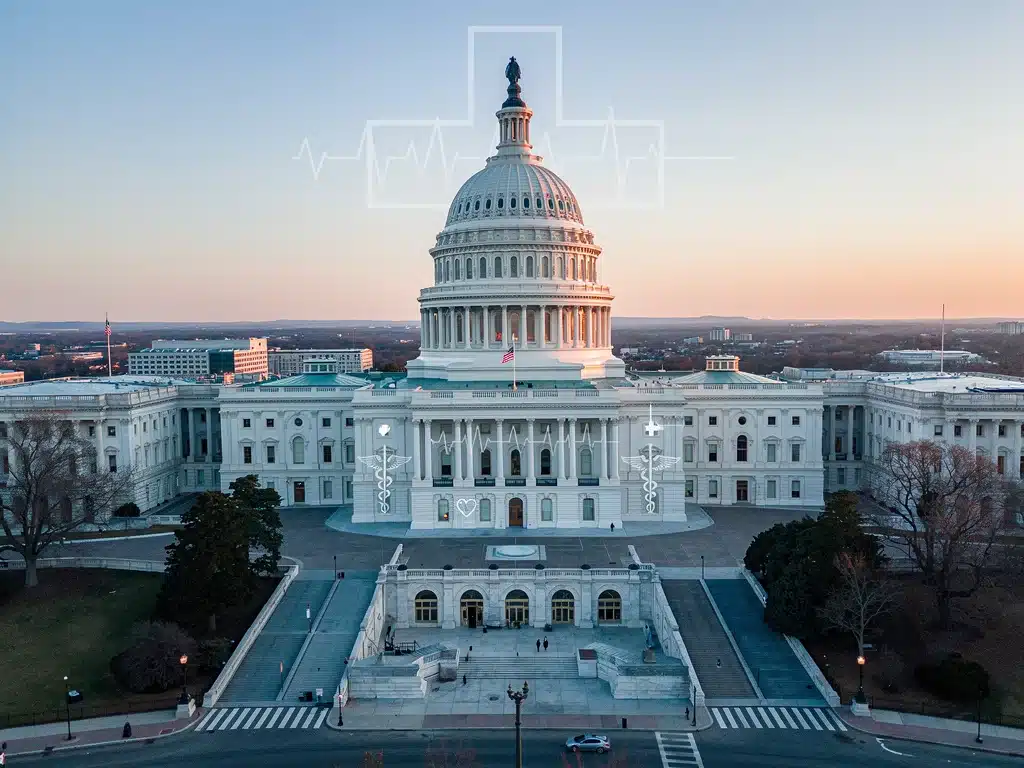
Sweeping policy updates emerging from Washington are signaling a major shift in how millions of patients receive medical care. Landmark healthcare access legislation moving through the District is restructuring coverage frameworks, expanding subsidies, and targeting persistent barriers to essential treatments.
Beyond simple regulatory tweaks, these Congressional measures enforce stronger consumer protections, curb predatory medical debt collection, and lower out-of-pocket prescription expenses.
Strategic reforms across public health programs aim to bridge critical coverage gaps while boosting price transparency for domestic patients.
Curious about how these legislative shifts will impact your insurance options and medical expenses? Here is a breakdown of key statutory provisions, critical implementation dates, and what lies ahead for healthcare delivery nationwide.
Understanding the Core Legislative Framework
Recent legislative actions in Washington D.C. have established a new framework intended to expand and streamline healthcare access.
These policies aim to address long-standing issues such as affordability, coverage gaps, and disparities in care delivery across various demographics and geographic regions.
The bipartisan efforts behind these reforms underscore a shared recognition of the urgent need for systemic improvements within the U.S. healthcare system. Lawmakers have focused on a multi-pronged approach, targeting different facets of healthcare provision and patient engagement.
By mid-2026, the full implementation of these legislative mandates is expected to significantly alter the operational landscape for insurers, medical facilities, and individual patients. The scope of these changes is broad, affecting everything from preventative care to specialized treatments.
Key Pillars of the New Legislation
The legislative package is built upon several foundational pillars designed to enhance healthcare access legislation. These include provisions aimed at reducing out-of-pocket costs, expanding eligibility for federal programs, and incentivizing innovative care models.
One primary focus is on strengthening the Affordable Care Act (ACA) marketplaces, making insurance plans more attainable for low and middle-income families. Subsidies are being increased and eligibility criteria adjusted to ensure a wider net of coverage.
- Expanded eligibility for federal subsidies on health insurance exchanges.
- Increased funding for community health centers to serve underserved populations.
- New regulations to curb surprise medical billing practices.
- Investments in telehealth infrastructure and services, particularly in rural areas.
Another significant aspect involves addressing prescription drug costs, a major concern for many Americans. New measures seek to empower Medicare to negotiate drug prices, potentially leading to substantial savings for seniors and other beneficiaries.
Projected Impact on Healthcare Providers and Systems
The legislative actions will undoubtedly reshape the operational dynamics for healthcare providers and entire health systems nationwide. Hospitals, clinics, and individual practitioners must adapt to new reimbursement models, compliance requirements, and patient flow patterns.
Many institutions are already undertaking strategic reviews to align their services with the forthcoming changes. This includes investments in technology, workforce development, and community outreach programs to better serve an expanded patient base.
The transition period, leading up to mid-2026, will be critical for providers to implement necessary adjustments and ensure a seamless continuum of care. Understanding the nuances of this healthcare access legislation is essential for effective planning.
Adapting to New Reimbursement Models
A central component of the reform involves shifts in how healthcare providers are reimbursed for their services. The emphasis is moving towards value-based care, rewarding outcomes rather than just volume.
This paradigm shift encourages providers to focus on preventative care, chronic disease management, and overall patient wellness. It requires robust data collection and analytical capabilities to demonstrate efficacy and justify payment.
- Increased focus on preventive care and chronic disease management.
- Incentives for integrated care models that coordinate services.
- New reporting requirements for quality metrics and patient outcomes.
- Potential for higher reimbursements for providers in underserved areas.
Furthermore, there’s a push to reduce administrative burdens where possible, allowing providers to spend more time with patients and less on paperwork. This aims to improve both provider satisfaction and patient experience, directly impacting healthcare access legislation goals.
Implications for Patients: What to Expect by Mid-2026
For millions of Americans, the legislative actions promise a significant transformation in how they access and afford healthcare services. The goal is to make quality care more attainable, reduce financial stress, and improve health outcomes across the board.
Patients can anticipate greater transparency in billing, expanded coverage options, and potentially lower out-of-pocket expenses for essential services. These changes are designed to alleviate some of the most pressing concerns faced by individuals and families.
Understanding these forthcoming benefits and navigating the new landscape will be crucial for patients to maximize the advantages offered by this healthcare access legislation. Public education campaigns are expected to help inform the populace.
Broader Coverage and Reduced Costs
One of the most immediate benefits for patients is the expansion of insurance coverage and the reduction of healthcare costs. This includes enhanced subsidies for marketplace plans and caps on out-of-pocket spending for certain services.
Many previously uninsured or underinsured individuals may find themselves eligible for comprehensive plans that were once out of reach. This directly addresses a core tenet of the healthcare access legislation—universal access.
- Lower premiums and deductibles for many insured individuals.
- Expanded coverage for mental health and substance abuse treatment.
- Increased access to telehealth services, especially in remote regions.
- Caps on insulin costs for Medicare beneficiaries.
Additionally, the legislation includes provisions to protect consumers from predatory billing practices, such as surprise medical bills from out-of-network providers.
This provides a new layer of financial security for patients seeking emergency or specialized care, reinforcing the positive impact of healthcare access legislation.

The Role of Technology in Enhanced Healthcare Access
Technology is poised to play a pivotal role in the successful implementation and expansion of healthcare access legislation. Digital health solutions, including telehealth, remote monitoring, and artificial intelligence, are central to achieving the legislative goals.
Investments in digital infrastructure are being prioritized to ensure that these technologies are accessible to a broader population, bridging geographical and socioeconomic divides. This digital transformation is not merely an add-on; it is an integral part of the reform.
By leveraging innovation, the aim is to improve efficiency, reduce costs, and enhance the overall patient experience. This technological integration is critical for the scalability and sustainability of the new healthcare model, as envisioned by the healthcare access legislation.
Telehealth Expansion and Digital Health Records
The pandemic underscored the critical importance of telehealth, and the new legislation solidifies its role as a permanent fixture in healthcare delivery.
Expanded coverage for virtual visits and remote monitoring will significantly improve access, particularly for those in rural or underserved areas.
Furthermore, the push for interoperable electronic health records (EHRs) will facilitate better coordination of care among providers.
This ensures that a patient’s medical history is readily available, leading to more informed decisions and improved outcomes, a key objective of healthcare access legislation.
- Wider reimbursement for telehealth consultations across various specialties.
- Development of secure platforms for remote patient monitoring.
- Standardization of electronic health records for seamless data exchange.
- Increased funding for digital literacy programs for patients and providers.
These technological advancements are not just about convenience; they are about fundamentally altering how healthcare is delivered and accessed.
They promise to make healthcare more responsive, personalized, and efficient, aligning with the core principles of the new healthcare access legislation.
Challenges and Potential Roadblocks to Implementation
While the legislative actions present a promising future for healthcare access legislation, their implementation is not without potential challenges. The sheer scale of the reforms, coupled with the complex nature of the U.S. healthcare system, suggests that some roadblocks may emerge.
Providers, insurers, and government agencies will need to navigate intricate regulatory changes, requiring significant investment in training, infrastructure, and compliance mechanisms. The success of these reforms hinges on effective coordination and communication among all stakeholders.
Political shifts and economic fluctuations could also influence the trajectory of these legislative efforts, potentially leading to adjustments or delays.
Continuous monitoring and adaptive strategies will be crucial to overcome these obstacles and ensure the long-term success of the healthcare access legislation.
Overcoming Systemic Hurdles
One major hurdle involves the existing disparities in healthcare infrastructure, particularly in rural and low-income urban areas. Ensuring equitable access to new technologies and expanded services will require targeted investments and strategic partnerships.
The healthcare workforce also faces challenges, including potential shortages of specialized personnel and the need for extensive retraining to align with new care models. Addressing these workforce issues is paramount for the effective delivery of improved healthcare access legislation.
- Addressing physician and nursing shortages, especially in primary care.
- Ensuring technological equity across diverse socioeconomic groups.
- Managing the financial strain on smaller healthcare providers during transition.
- Mitigating potential political resistance to ongoing reforms.
Moreover, public awareness and engagement will be vital. Misinformation or lack of understanding about the new benefits and requirements could hinder patient uptake, undermining the very goals of the healthcare access legislation. Comprehensive outreach efforts are essential.
Geographic and Demographic Disparities in Access
The legislative actions aim to significantly reduce geographic and demographic disparities in healthcare access legislation, a persistent issue within the American healthcare system.
Historically, rural communities and certain minority groups have faced disproportionate barriers to quality care.
The new policies include specific provisions and funding allocations designed to target these underserved populations. This involves strengthening community health centers, expanding telehealth in remote areas, and promoting culturally competent care.
By mid-2026, the expectation is that these concerted efforts will lead to a more equitable distribution of healthcare resources and improved health outcomes for previously marginalized groups. The success of this aspect is a key measure of the legislation’s impact on healthcare access legislation.
Targeting Rural and Underserved Communities
Rural areas often suffer from a lack of healthcare providers, limited access to specialized services, and significant travel burdens for patients. The new legislation provides incentives for healthcare professionals to practice in these regions and expands the reach of virtual care.
For urban underserved communities, the focus is on enhancing the capacity of existing community health centers and establishing new ones. These centers provide essential primary care, preventative services, and often address social determinants of health, directly improving healthcare access legislation outcomes.
- Increased federal funding for rural health clinics and hospitals.
- Scholarship and loan forgiveness programs for healthcare workers in underserved areas.
- Expansion of mobile health units to reach remote populations.
- Programs to address health literacy and language barriers in diverse communities.
These targeted interventions are crucial for ensuring that the benefits of the new healthcare access legislation are felt universally, not just by those in well-resourced urban centers. Equity is a foundational principle guiding these reforms.

Timeline and Key Milestones Towards Mid-2026
The legislative actions have set a clear, albeit ambitious, timeline for phased implementation, culminating in significant changes by mid-2026. This period involves various stages, from regulatory drafting to state-level integration and public awareness campaigns.
Key milestones will include the issuance of detailed federal guidelines, the allocation of new funding streams, and the development of state-specific plans to align with federal mandates. Each stage is critical for the successful rollout of the healthcare access legislation.
Stakeholders, including healthcare organizations, patient advocacy groups, and individual citizens, should closely monitor these milestones to understand the evolving landscape and prepare for the changes ahead. Proactive engagement will be essential.
Upcoming Regulatory Deadlines and Program Launches
Several regulatory bodies, including the Department of Health and Human Services (HHS) and the Centers for Medicare & Medicaid Services (CMS), are tasked with drafting and finalizing the specific rules and regulations that will govern the new policies. These deadlines are crucial.
Additionally, new programs and initiatives designed to support the legislative goals will be launched incrementally.
These include pilot programs for innovative care models and expanded enrollment periods for insurance subsidies, all part of the broader healthcare access legislation.
- Q4 2024: Finalization of key federal regulations for insurance marketplaces.
- Q1 2025: Commencement of expanded eligibility for certain federal health programs.
- Q3 2025: Launch of new provider incentive programs for value-based care.
- Q1 2026: Full implementation of prescription drug price negotiation mechanisms.
The period leading up to mid-2026 will be dynamic, with continuous updates and adjustments as implementation progresses. Staying informed about these specific dates and program launches is vital for anyone affected by the new healthcare access legislation.
| Key Policy Area | Projected Impact by Mid-2026 |
|---|---|
| Insurance Affordability | Expanded subsidies and cost caps to reduce out-of-pocket expenses for millions. |
| Access to Care | Increased funding for community health centers and telehealth services, especially in underserved areas. |
| Prescription Drugs | Medicare empowered to negotiate drug prices, potentially leading to significant savings for beneficiaries. |
| Provider Operations | Shift towards value-based care models and new compliance requirements for healthcare systems. |
Frequently Asked Questions About Healthcare Access Legislation
The primary goals include expanding insurance coverage, reducing healthcare costs for patients, improving the quality of care, and addressing long-standing disparities in access. The legislation aims for a more equitable and affordable healthcare system across the United States.
For many, the legislation could mean lower premiums and out-of-pocket costs, especially for those utilizing marketplace plans. There are also provisions to protect against surprise billing. Specific impacts depend on your current plan and income level.
The legislative actions are being implemented in phases, with significant changes expected to be fully in effect by mid-2026. Key milestones for regulatory finalization and program launches will occur throughout 2024 and 2025.
Yes, telehealth services are expected to see expanded coverage and integration. The legislation recognizes the importance of virtual care in improving access, particularly for rural and underserved populations, making it a permanent fixture.
Government health agencies, patient advocacy groups, and your health insurance provider will offer detailed information. Look for official websites, public education campaigns, and community workshops to stay informed about your specific benefits.
Looking Ahead: The Future of Healthcare Access
The healthcare access legislation marks a pivotal moment in American healthcare. These legislative actions represent a significant commitment to addressing critical issues of affordability, access, and equity.
As the nation progresses towards mid-2026, the success of these reforms will hinge on diligent implementation, ongoing evaluation, and the collective adaptability of patients, providers, and policymakers.
The next few years will shape the health and well-being of millions, setting a new standard for healthcare delivery in the United States.
Staying informed and engaged with the unfolding developments will be essential for all stakeholders.
The trajectory of these reforms will not only redefine healthcare access but also influence the broader social and economic fabric of the country, emphasizing the transformative power of this healthcare access legislation.