Unlocking SNAP Benefits: A Step-by-Step Guide to Maximizing Your Food Assistance in 2026

Navigating food assistance programs can feel overwhelming, but Unlocking SNAP Benefits in 2026 is key to stretching your monthly grocery budget. Knowing how to maximize your allotment ensures your family stays nourished without overspending.
With updated eligibility thresholds and shifting income deductions, securing your full monthly allowance requires staying informed on local guidelines. Strategic reporting of housing costs, medical expenses, and child care can noticeably raise your payout.
Don’t let valuable nutrition support go unclaimed due to simple paperwork oversights. Here is your clear, step-by-step roadmap to navigating EBT updates and getting the maximum federal support available this year.
Understanding SNAP in 2026: The Foundation
The Supplemental Nutrition Assistance Program, commonly known as SNAP, serves as the cornerstone of food assistance initiatives across the United States. Funded federally, it is administered at the state level, leading to variations in specific rules and implementation.
For 2026, the core mission of SNAP remains unchanged: to provide low-income individuals and families with the means to purchase healthy food.
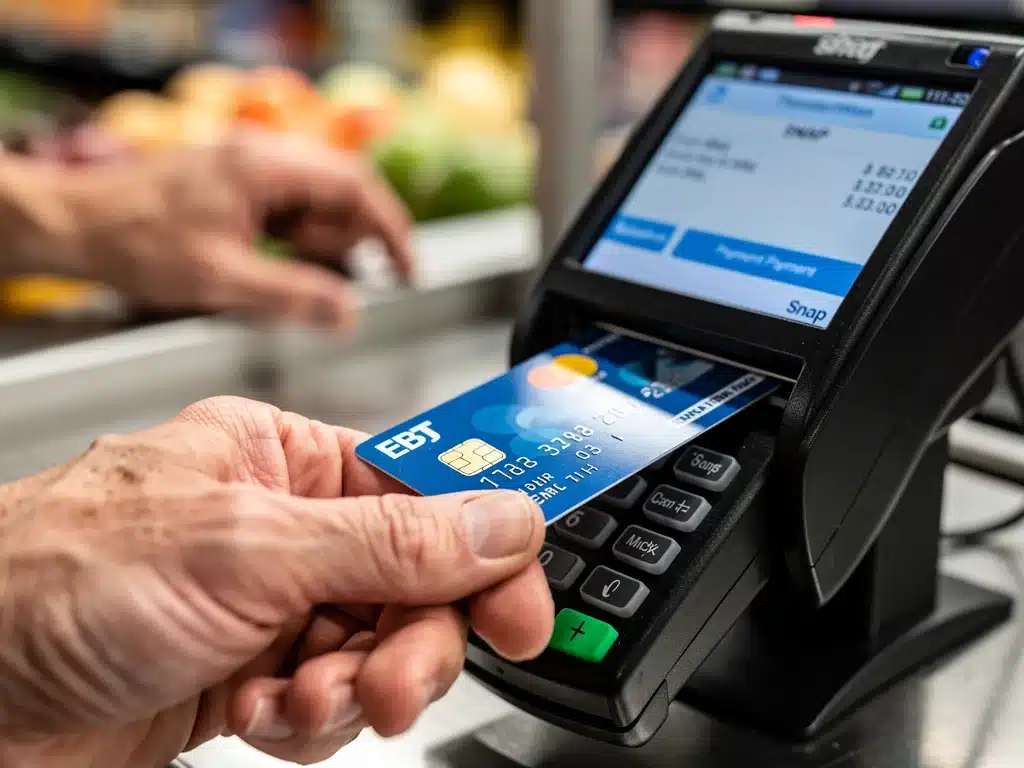
This support is delivered through an Electronic Benefits Transfer (EBT) card, which functions much like a debit card at authorized grocery stores and farmers’ markets.
Keeping abreast of federal adjustments and state-specific policy changes is crucial for anyone relying on or applying for SNAP benefits. These updates can significantly impact eligibility, benefit amounts, and the overall application experience for individuals and families.
Eligibility Criteria for SNAP Benefits 2026
Determining eligibility for SNAP benefits in 2026 involves a detailed assessment of household income, assets, and specific demographic factors. While federal guidelines establish the broad framework, states often have discretion in setting certain thresholds and requirements.
Generally, households must meet both gross and net income limits, which are tied to the federal poverty level.
Certain deductions, such as those for housing costs, child care, and medical expenses for elderly or disabled members, can help a household qualify even if their gross income is slightly above the limit.
Asset limits also play a role, though they are often waived for households with elderly or disabled members. Understanding these nuanced criteria is the first step in successfully Unlocking SNAP Benefits.
Income and Asset Thresholds
The income limits for SNAP are typically set at 130% of the federal poverty level for gross income and 100% for net income. These figures are adjusted annually, and it is imperative to refer to the most current guidelines for 2026.
Asset limits generally stand at $2,750 for most households and $4,250 for households with at least one member aged 60 or older, or with a disability. However, many states have implemented broad-based categorical eligibility, which can eliminate the asset test for certain households.
It is important to note that these figures are subject to change and state-specific variations. Consulting your state’s SNAP agency or their official website will provide the most accurate and up-to-date information for your specific situation.
- Gross income must be at or below 130% of the federal poverty level.
- Net income must be at or below 100% of the federal poverty level.
- Asset limits may vary by state, often waived for specific groups.
- Deductions for housing, medical, and child care expenses can impact eligibility.
The Application Process for SNAP Benefits 2026
Applying for SNAP benefits in 2026 involves several key steps, designed to verify eligibility and determine appropriate benefit levels. The process typically begins with submitting an application to your state’s SNAP agency, often available online, by mail, or in person.
Following the initial application, an interview with a caseworker is usually required. This interview serves to clarify information provided on the application and gather any additional details needed for a thorough assessment.
After the interview, you will need to submit verification documents, such as proof of income, residency, and household composition. A complete and accurate submission of these documents is critical for a timely approval of your SNAP benefits.
Gathering Necessary Documentation
Before initiating your SNAP application, compile all relevant documents to expedite the process. This proactive approach can significantly reduce delays and ensure a smoother experience.
Key documents typically include identification for all household members, proof of income (pay stubs, tax returns, benefit statements), residency verification (utility bills, lease agreements), and documentation of any deductible expenses.
Having these materials ready will not only streamline your interview but also demonstrate your preparedness to the SNAP agency. This organized approach is a practical solution for Unlocking SNAP Benefits efficiently.
- Proof of identity and residency for all household members.
- Recent pay stubs, W-2s, or other income statements.
- Utility bills, rent receipts, or mortgage statements.
- Medical expense receipts for elderly or disabled household members.
Maximizing Your SNAP Benefits: Practical Strategies
Once approved for SNAP, understanding how to maximize your benefits is essential for effectively managing your household’s food budget. Several strategies can help ensure you get the most out of your food assistance.
One key aspect is to accurately report all eligible expenses and household changes to your SNAP agency. Deductions for housing, medical, and child care costs can increase your benefit amount, so ensure these are meticulously documented and updated.
Additionally, exploring local programs that complement SNAP, such as farmers’ market incentives or food bank partnerships, can further stretch your food dollars. These resources are designed to work in conjunction with your benefits.
Understanding Benefit Calculations
SNAP benefit calculations are based on a complex formula that considers household size, income, and allowable deductions. The maximum benefit amount is determined by the Thrifty Food Plan, a federal standard for a low-cost, nutritious diet.
Your specific benefit amount is calculated by subtracting 30% of your household’s net income from the maximum benefit for your household size. Therefore, accurately reporting all deductions is crucial to lowering your net income and thus increasing your benefits.
Staying informed about any cost-of-living adjustments (COLAs) to the Thrifty Food Plan and federal poverty levels for 2026 is also vital. These annual adjustments can directly impact the amount of food assistance you receive.
Utilizing Your EBT Card Effectively
The EBT card is the primary tool for accessing your SNAP benefits, functioning similarly to a debit card. Understanding its features and limitations is key to using your food assistance efficiently and without issues.
EBT cards can be used at most grocery stores, supermarkets, and farmers’ markets that display the Quest® logo. It is important to know what items are eligible for purchase with SNAP benefits, generally focusing on food items for home consumption.
Keeping track of your balance and understanding how to report a lost or stolen card are also crucial aspects of effective EBT card management. Many states offer online portals or phone services to monitor your account.
Eligible and Ineligible Purchases
SNAP benefits are specifically designed for purchasing food items for household consumption. This includes fruits, vegetables, meat, poultry, fish, dairy products, breads, cereals, and snack foods.
However, there are strict restrictions on what cannot be purchased with an EBT card. These include alcoholic beverages, tobacco products, hot foods prepared for immediate consumption, vitamins, medicines, pet foods, and non-food items like cleaning supplies or paper products.
Being aware of these guidelines helps prevent issues at the checkout and ensures your benefits are used appropriately. This knowledge is an integral part of Unlocking SNAP Benefits.
Navigating Changes and Renewals in 2026
The SNAP program is dynamic, with periodic changes to policies, income thresholds, and benefit amounts. Staying informed about these updates is essential for continuous access to your food assistance.
Recipients are typically required to renew their benefits periodically, usually every six to twelve months. This renewal process involves re-submitting an application and providing updated documentation to confirm continued eligibility.
Furthermore, it is critical to report any significant changes in your household circumstances, such as changes in income, household size, or residency, to your SNAP agency promptly. Failure to do so can result in overpayments or a temporary loss of benefits.
Reporting Changes and Recertification
Timely reporting of changes in income or household composition is a federal requirement for SNAP recipients. These changes can affect your eligibility or benefit amount, and prompt notification helps avoid discrepancies.
The recertification process is your opportunity to demonstrate ongoing need and ensure your benefits are adjusted according to your current situation. Missing deadlines for recertification can lead to a temporary interruption in your food assistance.
States often send reminders for recertification, but it is ultimately the recipient’s responsibility to complete the process on time. Proactive engagement ensures a seamless continuation of your Unlocking SNAP Benefits.
Resources and Support for SNAP Beneficiaries
Beyond the direct provision of food assistance, a wealth of resources and support systems exist to help SNAP beneficiaries maximize their well-being. These resources can range from nutritional education to assistance with other related social services.
Many state SNAP agencies offer additional programs, such as employment and training services, to help recipients gain independence. Local food banks and community organizations often partner with SNAP to offer supplementary food aid and educational workshops.
Leveraging these interconnected resources can create a more holistic support system for individuals and families. This integrated approach is key to truly maximizing the impact of your food assistance.
Connecting with Community Programs
Community programs and non-profit organizations frequently offer valuable support that complements SNAP benefits. These can include cooking classes, budgeting workshops, and access to fresh produce initiatives like farmers’ market coupon programs.
Connecting with these local resources can significantly enhance the nutritional quality of your diet and provide practical skills for healthy living. Many organizations specifically target SNAP recipients, offering tailored assistance.
Exploring these community partnerships is a crucial step in fully Unlocking SNAP Benefits and promoting overall health. These networks provide a safety net and opportunities for growth.
Advocacy and Future of SNAP in 2026
The landscape of SNAP benefits is continually shaped by policy discussions, legislative actions, and advocacy efforts. Understanding these broader contexts can provide insight into the program’s future trajectory and potential changes in 2026 and beyond.
Advocacy groups play a crucial role in championing the needs of SNAP beneficiaries, working to protect and expand access to food assistance. These organizations often provide valuable information and platforms for individuals to voice their concerns.
Staying informed about legislative proposals and policy debates at both federal and state levels can help beneficiaries anticipate potential impacts on their food assistance. Public engagement can influence the future of SNAP.
Policy Debates and Legislative Impact
Current policy debates often revolve around work requirements, eligibility expansions, and the overall funding of the SNAP program. These discussions directly influence how Unlocking SNAP Benefits will operate.
Legislative changes can introduce new regulations, modify benefit calculations, or alter the administrative processes. For instance, discussions around the Farm Bill, which authorizes SNAP, are ongoing and could bring significant adjustments.
Monitoring these developments through reputable news sources and advocacy group updates is vital for current and prospective beneficiaries. Informed citizens are better equipped to adapt to evolving program requirements and effectively utilize their benefits.
| Key Aspect | Brief Description |
|---|---|
| Eligibility | Income and asset limits are crucial for qualification, with state variations. |
| Application | Requires documentation, an interview, and timely submission for approval. |
| Maximizing Benefits | Report deductions and explore complementary local food programs. |
| Future Outlook | Policy changes and advocacy efforts will shape SNAP’s direction in 2026. |
Frequently Asked Questions About SNAP Benefits in 2026
Eligibility for SNAP in 2026 primarily hinges on household income and assets, aligned with federal poverty levels. Gross income must generally be at or below 130% of the poverty line, with net income at 100%. Specific asset limits apply, though many states waive these for certain households, especially those with elderly or disabled members.
To apply for SNAP benefits in 2026, you typically submit an application to your state’s agency, available online, by mail, or in person. This is followed by an interview with a caseworker and the submission of verification documents like proof of income and residency. A complete application speeds up the approval process.
Your EBT card can be used to purchase most food items for home consumption, including fruits, vegetables, meat, dairy, and bread. However, it cannot be used for alcoholic beverages, tobacco, hot prepared foods, vitamins, medicines, pet food, or non-food household items. Adhering to these guidelines is crucial.
To maximize your SNAP benefits, ensure you accurately report all eligible deductions, such as housing, medical, and child care expenses. These deductions can lower your net income, potentially increasing your benefit amount. Additionally, explore local programs that complement SNAP, like farmers’ market incentives, to stretch your food budget further.
If your household circumstances change, such as an increase or decrease in income, a change in residency, or a shift in household size, you must report these changes promptly to your state’s SNAP agency. Failure to do so can lead to incorrect benefit amounts or a temporary suspension of your food assistance.
Perspectives
The ongoing efforts towards Unlocking SNAP Benefits underscore the program’s vital role in national food security. As policy debates continue and economic conditions evolve, staying informed remains paramount for beneficiaries.
The ability to navigate application processes, understand eligibility nuances, and leverage complementary resources will define success.
Monitoring legislative developments and engaging with advocacy groups will offer crucial insights into the program’s future, ensuring sustained support for those who rely on it.