Judicial Watch: Supreme Court Decisions Reshaping Civil Liberties 2026
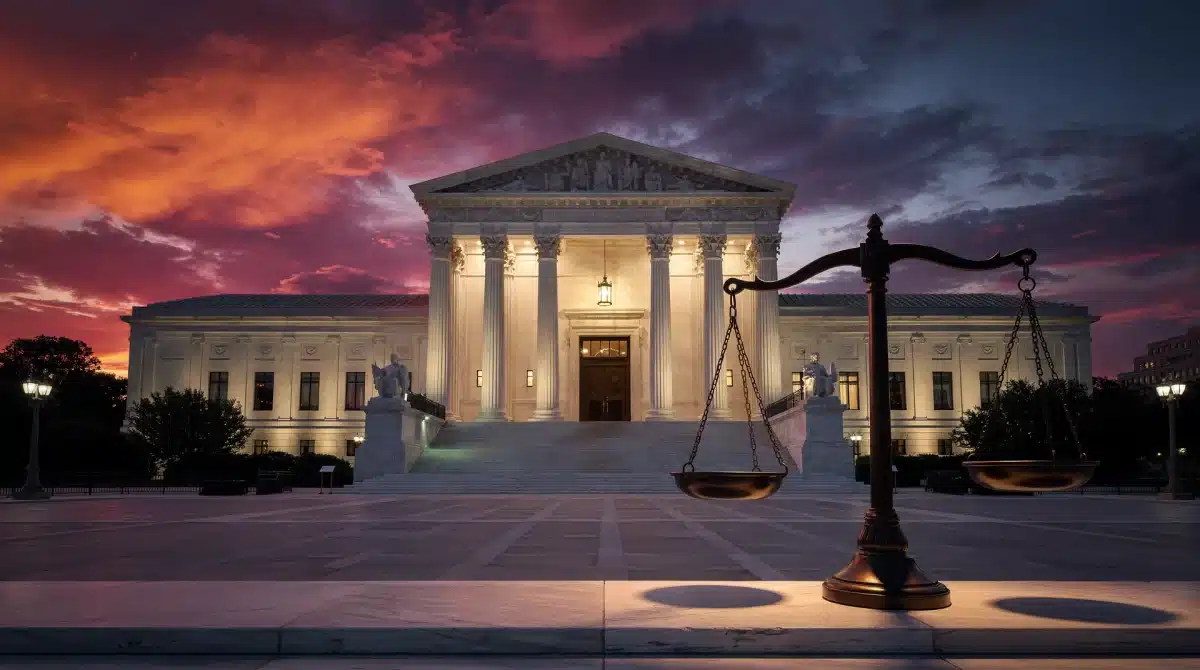
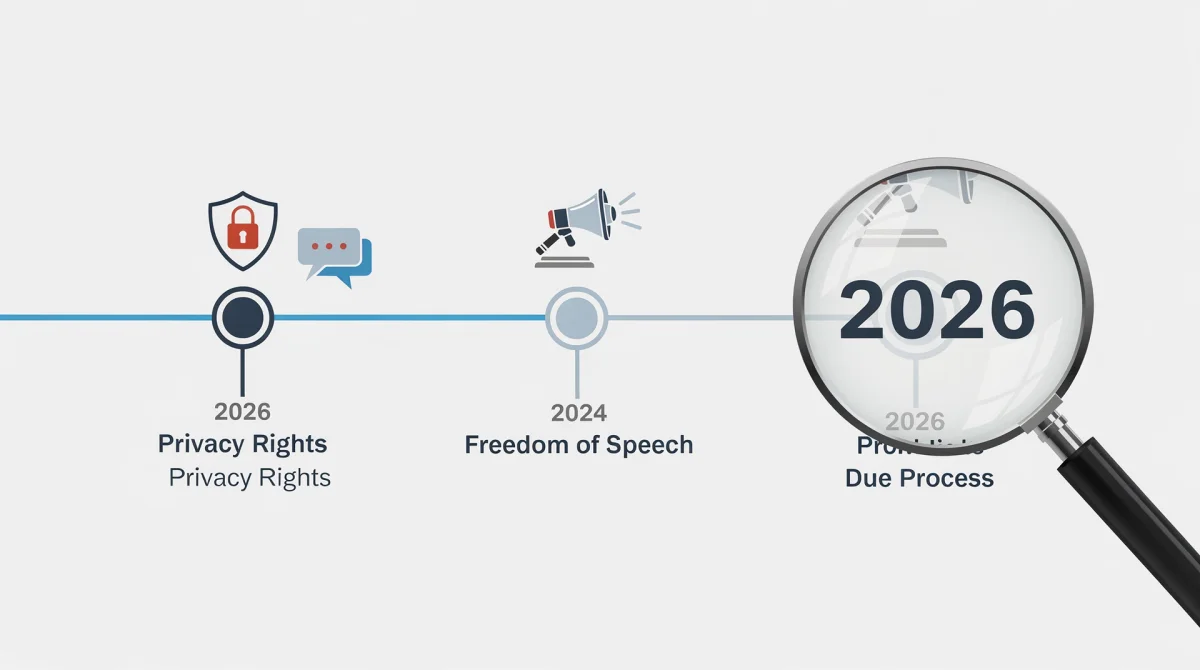
How will landmark constitutional rulings coming before the nation’s highest tribunal redefine your fundamental individual rights this year? Analysis from judicial advocacy watchdog Judicial Watch highlights key cases on the high court’s 2026 docket that promise to fundamentally reshape the legal boundaries of freedom of speech, digital privacy, and regulatory power across the United States.
These imminent High Court rulings examine critical tensions between state authority and individual guarantees protected by the Constitution.
With legal scholars and civil rights organizations watching every oral argument, the outcomes will set binding legal precedents impacting administrative agency oversight, voting procedures, and personal liberties for decades to come.
Tracking these high-stakes constitutional challenges ensures citizens remain informed on how changing jurisprudence alters everyday legal protections. Here is a breakdown of the defining Supreme Court cases currently on the calendar and what they mean for the future of civil liberties.
Anticipated Cases and Their Broad Implications
The Supreme Court’s 2026 docket is expected to feature cases that will directly challenge established precedents across a spectrum of civil liberties. These include issues related to privacy, freedom of speech, religious exercise, and governmental oversight.
The selection of cases reflects evolving societal norms and persistent legal debates, setting the stage for rulings that could either reinforce or significantly alter the current framework of rights.
Judicial Watch has been instrumental in spotlighting several areas of concern that may find their way to the Court.
Observers anticipate that the Court’s composition and prevailing judicial philosophies will play a crucial role in the outcomes, potentially leading to landmark decisions. These rulings will reverberate through various aspects of American life, from personal conduct to public policy.
The Future of Digital Privacy
One of the most pressing areas under review involves digital privacy rights in an increasingly interconnected world. Cases concerning data collection, surveillance, and the extent of governmental access to personal electronic information are anticipated.
The balance between national security interests and individual privacy has long been a contentious issue, and new technologies continually present novel legal challenges.
Judicial Watch has consistently advocated for stronger protections against unwarranted governmental intrusion into digital lives.
- Potential limitations on government data access without warrants.
- Clarification of privacy expectations in cloud computing and social media.
- Establishment of new precedents for digital identity protection.
These decisions could redefine the scope of the Fourth Amendment in the digital age, impacting how law enforcement operates and how technology companies handle user data. The implications for personal freedom and corporate responsibility are immense.
Freedom of Speech and Expression in a New Era
The landscape of free speech is constantly evolving, particularly with the rise of social media and online platforms. The Supreme Court in 2026 is expected to tackle complex questions surrounding censorship, misinformation, and the boundaries of protected expression.
These cases often involve balancing individual rights with community safety and the prevention of harm, leading to intricate legal arguments. Judicial Watch has actively pursued cases challenging what it perceives as government overreach in regulating speech.
The Court’s rulings will likely provide much-needed clarity on the responsibilities of platforms and the rights of users. This will directly influence public discourse and the mechanisms through which information is shared and consumed.
Defining Hate Speech and Online Content Moderation
A central challenge involves defining what constitutes unprotected hate speech versus protected, albeit offensive, expression. The Court’s stance will significantly impact content moderation policies across all digital platforms.
The potential for platforms to be held liable for content, or conversely, for governments to compel or restrict speech, presents a delicate constitutional tightrope. Judicial Watch has been vocal about protecting free speech against perceived attempts to stifle dissenting voices.
- Guidelines for social media companies on content removal.
- Legal standards for prosecuting online harassment and threats.
- The extent to which government can influence private platform moderation.
Decisions in this area could fundamentally alter the online experience, affecting everything from political campaigns to individual expression. The implications for public debate and the marketplace of ideas are profound.
Religious Freedom Under Scrutiny
Religious freedom remains a cornerstone of American civil liberties, yet its interpretation often leads to complex legal and social debates.
The 2026 Supreme Court term is anticipated to address cases that further delineate the boundaries of religious practice and its interaction with secular law.
These cases frequently involve conflicts between individual religious beliefs and broader public interests, such as anti-discrimination laws or public health mandates.
Judicial Watch has consistently advocated for robust protections for religious exercise, challenging perceived infringements.
The Court’s rulings will provide critical guidance on how religious institutions and individuals can exercise their faith in a diverse society. This will impact educational institutions, workplaces, and public spaces nationwide.
Balancing Religious Practice with Public Accommodation
One recurring theme involves the extent to which religious organizations or individuals can claim exemptions from generally applicable laws based on their faith. This often arises in the context of services provided to the public.
The Court will likely weigh the Free Exercise Clause against other constitutional protections, such as equal protection. Judicial Watch has supported cases advocating for the rights of religious individuals and businesses to operate according to their beliefs.
- Clarification on exemptions for religious organizations from certain regulations.
- The scope of religious freedom protections for individual employees.
- Impact on public institutions and their accommodation of religious practices.
The outcomes here could reshape the legal landscape for religious communities and businesses, influencing their ability to operate in accordance with their tenets while engaging with the public sphere. These are crucial considerations for the future of civil liberties.
Governmental Accountability and Transparency
Judicial Watch has a long-standing mission to promote governmental accountability and transparency, often bringing cases that seek to expose corruption or ensure adherence to constitutional principles.
The 2026 Supreme Court decisions may include rulings that strengthen or weaken these oversight mechanisms.
Cases related to executive privilege, access to public records, and the powers of administrative agencies are vital for maintaining a check on governmental authority. These decisions directly impact the public’s right to know and hold officials accountable.
The Court’s stance on these matters will determine the extent to which government operations can be scrutinized by the public and watchdog organizations like Judicial Watch. This is fundamental to a healthy democracy and the protection of civil liberties.
Access to Information and Whistleblower Protections
Key cases might focus on the Freedom of Information Act (FOIA) and the protections afforded to whistleblowers who expose government misconduct. These legal battles are crucial for ensuring transparency and preventing abuses of power.
The balance between national security and the public’s right to information is a perennial challenge. Judicial Watch has been at the forefront of litigation aimed at compelling government agencies to release documents and information.
- Strengthening or limiting FOIA access to government records.
- Defining the scope of protections for federal whistleblowers.
- Clarifying executive branch powers regarding information classification.
These rulings will directly affect journalists, researchers, and citizens seeking to understand how their government operates. The implications for governmental oversight and public trust are significant, underscoring the importance of Judicial Watch’s role.
The Impact on Due Process and Equal Protection
The principles of due process and equal protection are foundational to American civil liberties, ensuring fairness and non-discrimination under the law. The Supreme Court in 2026 is expected to hear cases that could clarify or redefine these essential constitutional guarantees.
These cases often arise from challenges to state and federal laws that are perceived to treat certain groups or individuals unfairly. Judicial Watch closely monitors legislation and executive actions for potential violations of these fundamental rights.
The Court’s decisions will have far-reaching consequences for criminal justice, immigration, and civil rights generally. They will shape how individuals interact with the legal system and the protections they can expect.
Fair Treatment in the Justice System
Anticipated cases may address issues such as prosecutorial discretion, sentencing guidelines, and the rights of individuals facing legal proceedings. Ensuring fair treatment for all under the law is a constant challenge.
The interpretation of the Fourteenth Amendment’s Equal Protection Clause is particularly critical in cases involving discrimination based on race, gender, or other characteristics. Judicial Watch advocates for equal application of the law without prejudice.
- Revisiting standards for fair trials and legal representation.
- Clarifying the application of equal protection in specific legal contexts.
- Addressing disparities in sentencing and legal outcomes.
These rulings will directly influence the integrity of the justice system and the trust the public places in it. The ongoing efforts by Judicial Watch highlight the continuous need to uphold these constitutional safeguards for civil liberties.
The Role of Judicial Watch in Shaping the Agenda
Judicial Watch plays a significant role in influencing the Supreme Court’s docket and the broader public discourse on civil liberties. Through its litigation, investigations, and public education efforts, the organization brings critical constitutional questions to the forefront.
By filing lawsuits and amicus briefs, Judicial Watch ensures that issues concerning governmental transparency, ethical conduct, and the protection of individual rights receive judicial attention. Their work often involves challenging what they identify as government overreach or constitutional violations.
The cases advanced by Judicial Watch often lay the groundwork for Supreme Court review, highlighting areas where existing legal interpretations are challenged or new precedents are needed. This advocacy directly contributes to the ongoing evolution of civil liberties law.
Advocacy for Constitutional Principles
Judicial Watch’s strategy involves rigorous legal action aimed at upholding what it views as foundational constitutional principles. This includes defending individual liberties against perceived governmental infringements.
Their efforts contribute to shaping legal arguments and public perception around key issues that eventually reach the highest court. The organization’s commitment to accountability often results in cases with broad implications for all Americans.
- Initiating lawsuits that challenge governmental actions affecting civil liberties.
- Submitting expert legal analyses to support constitutional interpretations.
- Educating the public on critical legal issues and their potential impact.
The ongoing work of Judicial Watch underscores the dynamic nature of constitutional law and the continuous need for vigilance in protecting fundamental rights. Their influence on the Supreme Court’s agenda for 2026 is undeniable.
Broader Societal Impact and Public Reaction
The Supreme Court‘s decisions in 2026 regarding civil liberties will undoubtedly have a profound and widespread societal impact. These rulings will not merely be legal academic exercises; they will directly affect the daily lives of millions of Americans.
Public reaction to these decisions is expected to be significant, with protests, legislative responses, and shifts in public opinion anticipated. The interpretation of fundamental rights often galvanizes various advocacy groups and political factions.
The way these decisions are communicated and understood by the public will be crucial in shaping the national conversation around civil liberties. Judicial Watch will likely be a key voice in this ongoing dialogue, providing analysis and commentary.
Navigating a Shifting Legal Landscape
Citizens, businesses, and governmental entities will need to adapt to a potentially new legal landscape. Understanding the nuances of these rulings will be essential for compliance and advocacy.
The media’s role in disseminating accurate and objective information will be more critical than ever, helping the public grasp the complex legal implications. Judicial Watch will continue to monitor the implementation and effects of these decisions.
- Anticipated legislative responses to Supreme Court rulings.
- Changes in institutional policies and practices.
- The role of advocacy groups in interpreting and responding to decisions.
The collective response to these decisions will define the trajectory of civil liberties in the United States for the foreseeable future. The stakes are high, and the engagement of all stakeholders will be paramount.
| Key Area | Anticipated Impact |
|---|---|
| Digital Privacy | Redefinition of Fourth Amendment rights in the digital age. |
| Free Speech | New guidelines for online content moderation and expression. |
| Religious Freedom | Clarification on exemptions and public accommodation for faith. |
| Due Process | Impact on fair treatment in the justice system and legal proceedings. |
Frequently Asked Questions About 2026 Supreme Court Civil Liberties Decisions
Judicial Watch primarily focuses on governmental accountability and transparency, along with the protection of individual constitutional rights. For 2026, their efforts center on challenging perceived government overreach and defending fundamental freedoms like free speech, religious liberty, and privacy, aiming to influence key Supreme Court outcomes.
Digital privacy is expected to see significant shifts. Decisions could redefine the scope of the Fourth Amendment in the digital realm, impacting government access to personal data, surveillance practices, and privacy expectations for online communications and cloud storage. New precedents may emerge for data collection and usage.
Free speech cases will be crucial, particularly concerning online content and social media. The Court is expected to address issues of content moderation, hate speech definition, and the boundaries of protected expression. These rulings will influence how platforms operate and how individuals can express themselves online, shaping public discourse.
Yes, religious freedom cases are anticipated to be prominent. The impact could include clearer guidelines on religious exemptions from general laws, the extent of religious practice in public and private spheres, and how conflicts between religious beliefs and other constitutional rights are resolved. This will affect institutions and individuals.
Citizens can stay informed by following reputable news sources, legal analyses from organizations like Judicial Watch, and official Supreme Court announcements. Monitoring legal journals and participating in public forums will also provide valuable insights into the ongoing developments and their implications for civil liberties in the United States.
Looking Ahead
The impending Supreme Court decisions in 2026, significantly influenced by the advocacy of Judicial Watch, represent a critical juncture for civil liberties in the United States.
These rulings will extend beyond mere legal precedent, fundamentally reshaping privacy, speech, religious freedom, and governmental accountability.
As these pivotal cases unfold, it is imperative for citizens, policymakers, and legal professionals to closely monitor developments.
The outcomes will not only redefine individual rights but also establish the framework for legal and social interactions for generations to come, underscoring the dynamic nature of constitutional interpretation.
The ongoing dialogue and analysis provided by organizations like Judicial Watch will be essential in understanding the nuances and broader implications of these landmark decisions, guiding the public through a period of significant legal transformation.