Upcoming Elections 2026: Key Races and Federal Policy Impact
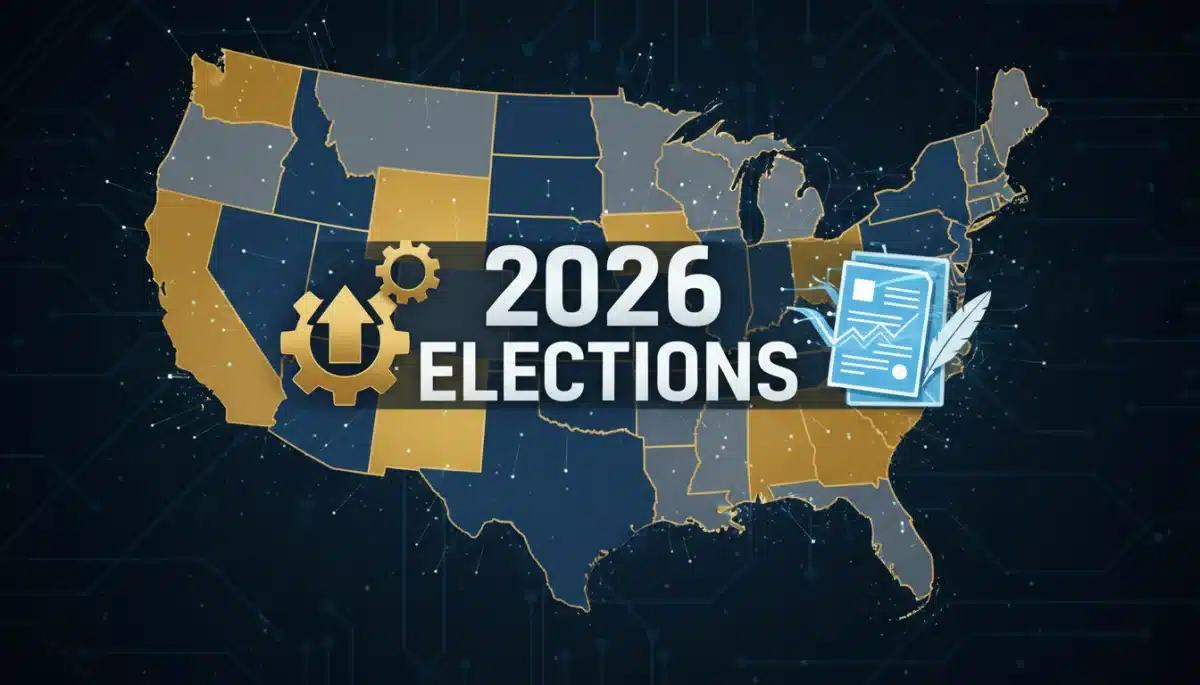
The Upcoming Elections 2026 are already casting a long shadow, promising significant shifts in federal policy and the national economy. This coverage delves into the critical races, offering verified analysis and context on potential outcomes. We prioritize what readers need to know now, focusing on the real-world implications for the United States.
The political landscape is evolving rapidly as we approach the Upcoming Elections 2026, with numerous key races set to redefine the balance of power. These contests are not merely about who wins or loses; they represent crucial junctures for federal policy and the broader national economy. Understanding the potential impacts requires a close examination of the candidates, the issues, and the underlying political currents.
This comprehensive overview provides an objective, direct, and impactful analysis of the significant developments. We aim to equip you with the insights necessary to comprehend the intricate connections between electoral outcomes, legislative agendas, and economic stability. The stakes are undeniably high, and staying informed is paramount.
Understanding The Upcoming Elections
The Upcoming Elections 2026 are poised to be a watershed moment for American politics, with implications extending far beyond the ballot box. Early indicators suggest a highly competitive environment, particularly in swing states and districts that will determine control of Congress. The outcomes of these races will directly influence the legislative agenda for the latter half of the decade, impacting everything from healthcare to infrastructure.
As campaigns begin to take shape, public discourse is intensifying around several critical issues that resonate deeply with voters. These include economic recovery, social welfare programs, environmental regulations, and foreign policy. Each of these areas could see substantial shifts depending on the electoral victories and subsequent legislative priorities of the winning parties.
The national economy, currently navigating a complex period of inflation and fluctuating markets, stands to be significantly affected by the policy directions emerging from these elections. Businesses, investors, and everyday citizens are keenly watching for signs of stability or disruption, making the Upcoming Elections 2026 a central focus for economic forecasting.
Key Senate Races to Watch in the Upcoming Elections 2026
Control of the Senate is often a critical determinant of legislative success, and the Upcoming Elections 2026 will feature several high-stakes contests. States with retiring incumbents or narrow margins from previous elections will attract considerable national attention and campaign spending. These races often serve as bellwethers for national sentiment.
Early polling and political analyses suggest that states like Arizona, Ohio, Pennsylvania, and Wisconsin could be battlegrounds once again. The demographic shifts and evolving political allegiances within these states will play a crucial role in determining which party gains or maintains a majority. The ideological leanings of newly elected senators will profoundly impact committee assignments and legislative priorities.
The balance of power in the Senate dictates the feasibility of presidential appointments and the passage of major bills, making these races incredibly important. A shift in control could either accelerate or impede the executive branch’s agenda, influencing federal policy across various sectors. This dynamic underscores the significance of the Upcoming Elections 2026.
Impact on Judicial Appointments
A change in Senate control could dramatically alter the landscape for judicial appointments, including potential Supreme Court vacancies.
The Senate’s role in confirming federal judges means that the partisan makeup of the chamber directly influences the ideological balance of the judiciary for decades. This is a long-term impact that often goes overlooked during election cycles but carries immense weight.
Historically, periods of divided government have led to contentious confirmation battles and judicial vacancies. Conversely, a unified government can expedite the appointment process, allowing a president to shape the courts more effectively.
The Upcoming Elections 2026 will therefore be critical in defining the future trajectory of American jurisprudence.
Legislative Gridlock vs. Progress
- A closely divided Senate often leads to legislative gridlock, where major bills struggle to pass due to partisan opposition.
- A clear majority for one party can facilitate smoother passage of legislation, allowing for more decisive policy changes.
- The ability to pass budget resolutions and key policy initiatives hinges on the Senate majority, impacting federal spending and regulatory frameworks.
The legislative environment created by the Upcoming Elections 2026 will set the stage for how effectively the government can address pressing national challenges. The level of bipartisan cooperation, or lack thereof, will be a direct consequence of these electoral outcomes.
House of Representatives: Shifting District Dynamics
All 435 seats in the House of Representatives will be contested in the Upcoming Elections 2026, presenting another crucial battleground for federal policy. Redistricting efforts following the latest census have reshaped many congressional districts, making some races more competitive and others more entrenched. These localized contests collectively determine the national legislative agenda.
The outcomes in the House will dictate the speakership and the chairs of powerful committees, which control the flow of legislation and investigations. A change in House control can lead to significant shifts in oversight priorities, budget allocations, and the types of bills brought to a vote. This makes every district race a piece of the larger national puzzle in the Upcoming Elections 2026.
Campaigns in the House are often highly localized, focusing on issues directly affecting constituents while also aligning with broader national party platforms. The ability of candidates to connect with local voters on issues such as job creation, education, and healthcare will be paramount. These individual victories will aggregate into a national mandate, influencing federal policy directions.
Gubernatorial and State Legislative Contests
Beyond federal elections, a number of gubernatorial and state legislative races will also be held in 2026. While not directly federal, these state-level outcomes often have a profound indirect impact on national politics, including future redistricting and voter access laws. States serve as laboratories for policy, and successful state policies can often influence federal approaches.
Governors play a significant role in implementing federal programs and managing state economies, which in turn affect national economic indicators. State legislatures, meanwhile, are responsible for drawing congressional districts and setting voting rules, which can heavily influence federal election results in subsequent cycles. The Upcoming Elections 2026 at the state level are therefore crucial for the long-term political landscape.
Policy Implications for Key Sectors
- Energy policy: State-level decisions on renewable energy mandates and fossil fuel regulations can influence federal energy strategies.
- Education reform: Innovative educational policies adopted by states often inspire national debates and potential federal funding initiatives.
- Healthcare access: State expansions or restrictions of healthcare programs directly impact citizens and can pressure federal lawmakers to act.
The interplay between state and federal policy is complex, and the results of state-level Upcoming Elections 2026 will undoubtedly contribute to the national policy discourse. These races are vital for understanding the full scope of political change.
Economic Implications of the Upcoming Elections 2026
The Upcoming Elections 2026 carry substantial economic implications, as policy decisions made in Washington directly affect markets, businesses, and individual finances. Uncertainty surrounding electoral outcomes can often lead to market volatility, while clear policy directions can provide stability or stimulate growth. Investors and corporations are closely monitoring the potential shifts in economic policy.
Proposed changes to tax codes, regulatory frameworks, and trade agreements are all on the table, depending on which party gains control of Congress and the presidency. A shift towards more business-friendly policies could incentivize investment and job creation, while increased regulation could prioritize consumer protection or environmental sustainability. These choices will shape the national economy.
Furthermore, federal spending on infrastructure, social programs, and defense will be influenced by the electoral results. These spending decisions have a ripple effect throughout the economy, creating jobs, driving demand, and impacting national debt levels. The economic stakes of the Upcoming Elections 2026 are therefore immense for all stakeholders.
Fiscal Policy and National Debt
The approach to fiscal policy will be a central economic debate in the Upcoming Elections 2026. Parties will likely present differing strategies for managing the national debt, addressing inflation, and stimulating economic growth.
These strategies could involve tax cuts, increased public spending, or austerity measures, each with distinct economic consequences.
Decisions on federal budgeting and appropriations will directly impact various sectors, from defense contractors to social service providers.
The ability of the government to pass comprehensive budget legislation will be a key indicator of political stability and economic direction. The outcomes of the Upcoming Elections 2026 will largely determine these fiscal priorities.
Regulatory Environment for Businesses
- Changes in environmental regulations could impact industries like energy, manufacturing, and transportation, leading to new compliance costs or opportunities.
- Financial regulations may be tightened or loosened, affecting banks, investment firms, and consumer lending practices.
- Labor laws and trade policies could see revisions, influencing wages, employment conditions, and international competitiveness.
The regulatory environment established post-election will either foster or hinder business growth, influencing decisions on investment, hiring, and expansion.
Businesses are closely watching the Upcoming Elections 2026 to anticipate these potential shifts and adjust their strategies accordingly.
Social and Cultural Issues on the Ballot
Beyond economics and traditional policy, the Upcoming Elections 2026 will also serve as a referendum on a range of social and cultural issues that deeply divide the American public. Debates on topics such as reproductive rights, LGBTQ+ equality, immigration reform, and gun control are expected to feature prominently in campaigns. These issues often mobilize voters and can swing close races.
The outcomes of these elections will determine the legislative direction on these sensitive topics, potentially leading to new federal laws or challenges to existing ones. The judicial branch, already a battleground for many of these issues, will continue to be influenced by appointments made possible by electoral victories. This makes the Upcoming Elections 2026 critical for social progress and individual freedoms.
Candidates’ stances on these issues will be heavily scrutinized by advocacy groups and voters alike, often overshadowing economic platforms in certain demographics. The ability to articulate a clear and compelling vision on social justice and individual liberties will be crucial for electoral success. These cultural debates are integral to the broader impact of the Upcoming Elections 2026.
Healthcare Policy Debates
Healthcare remains a perennial issue in American politics, and the Upcoming Elections 2026 will likely see renewed debates over its future. Discussions will revolve around the Affordable Care Act (ACA), prescription drug costs, and access to medical services. Different political parties offer distinct approaches to healthcare reform, from single-payer systems to market-based solutions.
The outcome could lead to significant changes in health insurance coverage, patient rights, and federal funding for medical research. These policy shifts will directly affect millions of Americans, making healthcare a central concern for voters. The Upcoming Elections 2026 will therefore be instrumental in shaping the nation’s healthcare landscape.
Environmental and Climate Policy
- Federal funding for climate research and renewable energy projects could increase or decrease based on electoral results.
- Regulations on emissions and pollution standards may be strengthened or relaxed, impacting industries and public health.
- Participation in international climate agreements could be reaffirmed or withdrawn, altering America’s global environmental standing.
Environmental policy is another critical area where the Upcoming Elections 2026 will have profound effects. The urgency of climate change and the need for sustainable practices are driving significant public and political debate, influencing voter choices and legislative agendas.
Voter Engagement and Turnout in the Upcoming Elections 2026
Voter engagement and turnout will be decisive factors in the Upcoming Elections 2026. Midterm elections historically see lower turnout than presidential years, but the heightened political polarization and the critical nature of these races could motivate a larger electorate. Grassroots efforts and digital campaigns will play a vital role in mobilizing voters.
Issues such as voter access, election integrity, and campaign finance reform are also part of the broader electoral discussion. These procedural matters can significantly influence who participates in elections and how votes are counted. The focus on these aspects highlights the fundamental importance of democratic participation in the Upcoming Elections 2026.
Understanding the demographics of likely voters, their motivations, and the effectiveness of various outreach strategies will be key for campaigns. The narrative built around the Upcoming Elections 2026 by media and political figures will also shape public perception and encourage or discourage participation. High turnout often indicates a highly engaged and energized electorate.
The Role of Media and Digital Campaigns
The media landscape, increasingly fragmented and dominated by digital platforms, will significantly influence how information about the Upcoming Elections 2026 is disseminated and consumed.
Social media, in particular, will continue to be a powerful tool for campaigns to reach voters directly, but also a source of misinformation and ideological echo chambers. The battle for narrative control will be fierce.
Traditional news outlets will still play a crucial role in providing in-depth analysis and holding candidates accountable, but their reach is constantly being challenged by alternative sources.
The ability of voters to discern credible information from propaganda will be more important than ever. The role of media in shaping public opinion during the Upcoming Elections 2026 cannot be overstated.
Impact of Political Polarization
- Increased partisan division can lead to highly motivated base voters but alienate moderate or independent voters.
- The language and tone of political discourse often reflect and exacerbate existing societal divisions, influencing campaign strategies.
- Polarization can make bipartisan cooperation more challenging, affecting the ability to pass compromise legislation after the Upcoming Elections 2026.
The current climate of political polarization will undoubtedly shape the strategies and outcomes of the Upcoming Elections 2026.
Campaigns will need to navigate this environment carefully, balancing the need to energize their base with the imperative to appeal to a broader electorate.
| Key Impact Area | Brief Description of Influence |
|---|---|
| Federal Policy Shifts | Control of Congress will redefine legislative priorities in areas like healthcare, environment, and infrastructure. |
| National Economy Outlook | Electoral results will influence tax policies, regulations, and federal spending, impacting markets and businesses. |
| Judicial Appointments | Senate control directly affects the ability to confirm federal judges, shaping the judiciary for decades. |
| Voter Participation | Turnout and engagement in key races will determine the mandate for incoming officials and their policy agendas. |
Frequently Asked Questions about Upcoming Elections 2026
The most critical races will likely be concentrated in swing states for Senate control and closely contested House districts. These include states like Arizona, Ohio, Pennsylvania, and Wisconsin, which often determine the national balance of power. Gubernatorial races in key states also hold significant sway.
The electoral outcomes will directly influence federal policy by determining which party controls Congress and the executive branch. This affects legislative priorities, judicial appointments, and the overall direction of national governance, from healthcare to environmental regulations. Policy shifts are highly probable.
Economic changes stemming from the elections could include shifts in tax policy, regulatory frameworks for businesses, and federal spending priorities. These adjustments will impact inflation, investment, job growth, and the national debt. Market reactions to election results are often swift and significant.
Yes, social and cultural issues such as reproductive rights, immigration, and gun control are expected to be central to campaigns. These topics often galvanize voter bases and can significantly influence electoral outcomes, leading to legislative efforts that reflect the prevailing public sentiment and political will.
Voter turnout is crucial for the legitimacy and impact of the elections. Higher engagement can lead to more representative outcomes and stronger mandates for elected officials. Campaigns will heavily invest in mobilization efforts, especially in competitive races, as turnout directly affects the balance of power.
What Happens Now
The Upcoming Elections 2026 represent a critical juncture for the United States, with potential shifts in federal policy and the national economy.
As campaigns draw closer, it is essential to monitor key races, candidate platforms, and public discourse to understand the evolving landscape.
The outcomes will undoubtedly shape the nation’s trajectory for years to come, requiring continuous vigilance and informed participation from all citizens. Stay updated on official announcements and expert analyses to navigate these significant political and economic currents.