Public Health Advisory: CDC’s Latest Guidelines on Infectious Disease Prevention for the Upcoming Flu Season
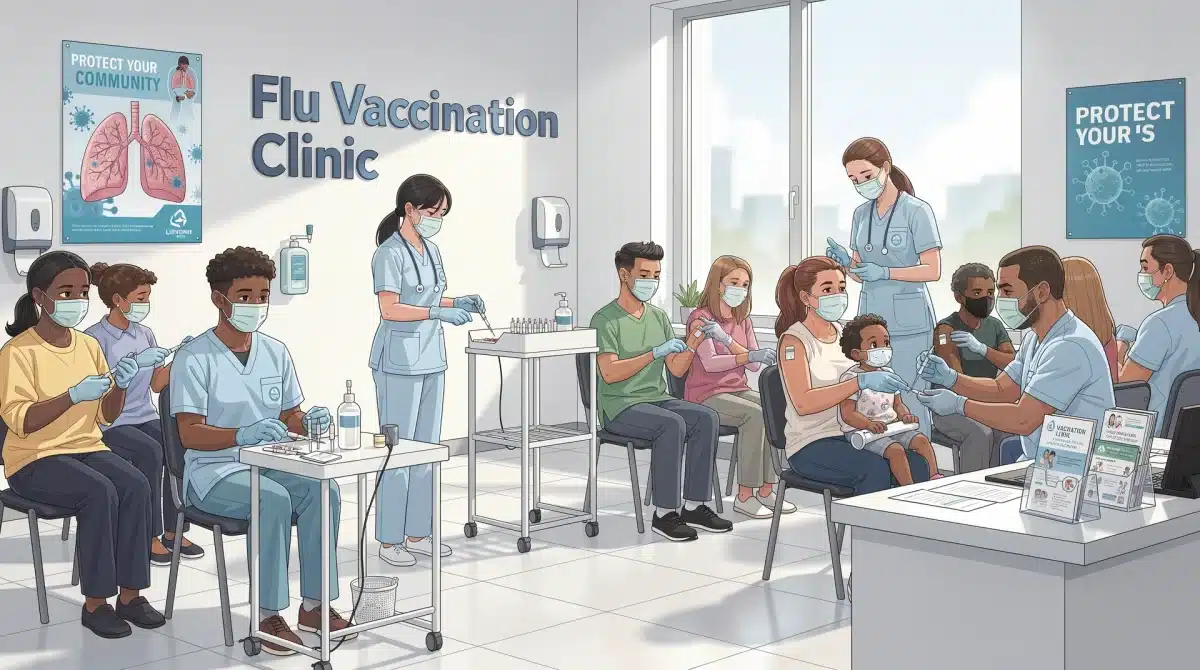
Looking to protect your household from severe respiratory illness before peak winter transmission hits? Updated guidance from the CDC’s Disease Prevention team outlines essential immunization and hygiene protocols for the 2026–2027 flu season across the United States.
Federal public health officials are emphasizing updated trivalent vaccine formulations, targeted antiviral treatments, and early symptom screening to reduce seasonal hospitalizations.
Combining annual shots with everyday respiratory precautions remains the strongest defense against circulating influenza strains and co-circulating viruses.
Whether you are scheduling family clinic visits or safeguarding high-risk loved ones, acting early makes a measurable difference. Here is what federal health experts recommend right now to stay healthy this season.
Understanding the New CDC Flu Prevention 2026 Guidelines
The CDC’s latest guidelines for the upcoming flu season introduce several key updates and reinforced recommendations. These changes reflect ongoing research into viral strains, vaccine efficacy, and evolving public health strategies.
Understanding these specific recommendations is crucial for effective implementation at both individual and community levels. The emphasis is on a multi-faceted approach to infectious disease prevention, going beyond just vaccination.
The CDC’s Disease Prevention aims to empower the public with actionable information. This advisory ensures that everyone can contribute to collective health security.
Key Changes in Vaccination Recommendations
The CDC’s advisory includes updated recommendations regarding flu vaccination, emphasizing the importance of timely immunization. These recommendations are based on projections for circulating flu strains and aim to maximize vaccine effectiveness.
Healthcare providers are encouraged to begin vaccination campaigns early in the fall, ensuring broad coverage before peak flu activity. The advisory also addresses specific populations who may benefit from enhanced vaccination strategies or alternative vaccine formulations.
For the CDC’s Disease Prevention, the CDC stresses that vaccination remains the single most effective tool against influenza. Public awareness campaigns will play a vital role in achieving high vaccination rates.
- Early fall vaccination is crucial for optimal protection.
- Specific populations, including the elderly and immunocompromised, have tailored recommendations.
- New vaccine formulations may be introduced based on anticipated viral strains.
Enhanced Surveillance and Monitoring
The upcoming flu season will see an expansion of surveillance and monitoring efforts to track influenza activity and other respiratory viruses. This includes real-time data collection on hospitalizations, outpatient visits, and laboratory-confirmed cases.
These enhanced systems provide critical insights into disease trends, allowing public health officials to respond swiftly and allocate resources effectively. The data collected will also inform future vaccine development and public health advisories.
The focus on robust surveillance is a cornerstone of the CDC’s Disease Prevention. It ensures that health authorities have the most accurate and up-to-date information at their disposal.
Community-Level Prevention Strategies
Beyond individual actions, the CDC’s guidelines highlight the importance of community-level prevention strategies. These include promoting hygiene, encouraging sick individuals to stay home, and maintaining healthy indoor air quality.
Schools, workplaces, and public spaces are urged to implement policies that support these preventative measures. Clear communication and educational campaigns are essential to foster a culture of health and responsibility within communities.
Effective community engagement is vital for the success of the CDC’s Disease Prevention. Collective action can significantly reduce the burden of infectious diseases.
Importance of Hand Hygiene and Respiratory Etiquette
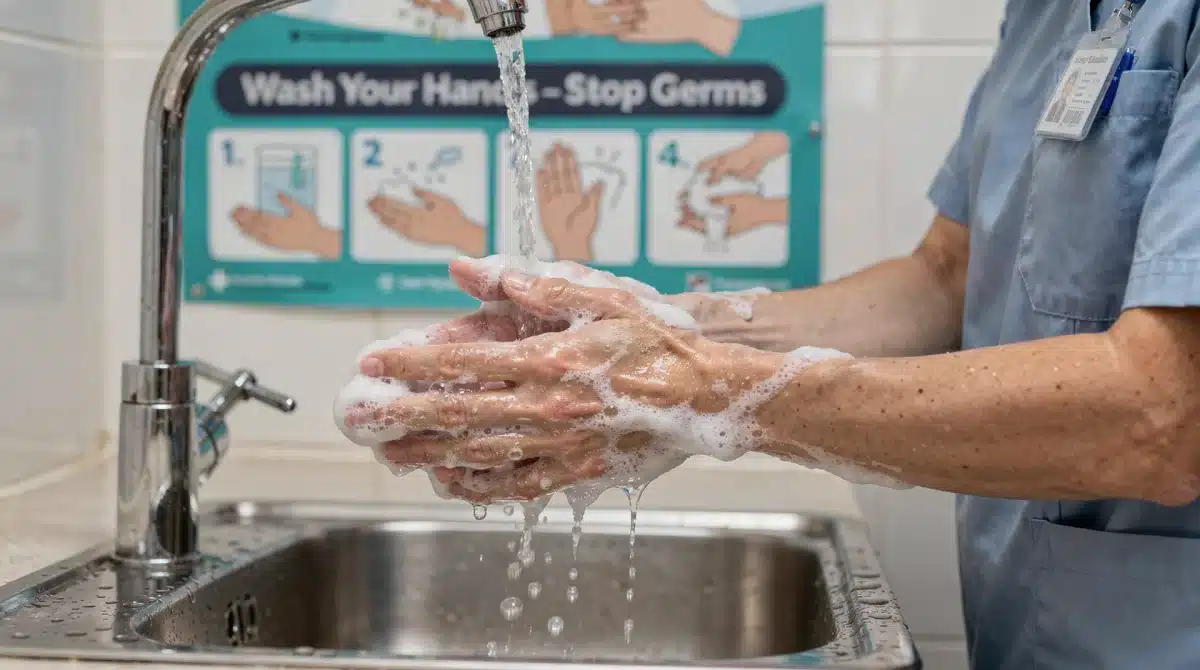
Reinforcing basic hygiene practices remains a cornerstone of infectious disease prevention. Frequent and thorough handwashing with soap and water, or using alcohol-based hand sanitizer, is paramount.
Proper respiratory etiquette, such as covering coughs and sneezes with a tissue or elbow, also plays a critical role in preventing droplet transmission. These simple yet effective measures are easy to implement but often overlooked.
The CDC’s Disease Prevention reiterates that consistent adherence to these practices can significantly curb the spread of respiratory illnesses. Public education campaigns will emphasize these points.
- Regular handwashing with soap and water for at least 20 seconds.
- Use of alcohol-based hand sanitizer when soap and water are unavailable.
- Covering coughs and sneezes to prevent droplet spread.
Guidelines for Schools and Workplaces
Schools and workplaces are critical environments for implementing public health measures due to high population density. The CDC provides specific guidelines for these settings, focusing on reducing transmission and maintaining continuity of operations.
Recommendations include promoting flexible sick leave policies, ensuring adequate ventilation, and encouraging employees and students to stay home when ill. Creating a supportive environment for these practices is key.
The CDC’s Disease Prevention includes tailored advice for these institutions. This ensures they can effectively protect their populations.
Antiviral Medications and Treatment
The CDC’s advisory also covers the appropriate use of antiviral medications for influenza. These drugs are crucial for treating severe flu cases and for preventing complications, especially in high-risk individuals.
Healthcare providers are reminded of the importance of early diagnosis and prompt administration of antivirals when indicated. Public awareness about when to seek medical attention for flu-like symptoms is also critical.
The CDC’s Disease Prevention outlines updated guidance on antiviral prescribing patterns. This ensures optimal patient outcomes and reduces the risk of resistance.
When to Consider Antiviral Treatment
Antiviral medications are most effective when started early, ideally within 48 hours of symptom onset. They can reduce the duration and severity of illness, and prevent serious complications.
The CDC emphasizes their use for individuals at high risk of flu complications, such as young children, older adults, pregnant women, and those with certain chronic medical conditions. A healthcare provider should always be consulted for diagnosis and treatment.
For the CDC’s Disease Prevention, the CDC reinforces the message that antivirals are a vital tool in managing influenza. They are not a substitute for vaccination but an important adjunct.
Public Communication and Education
Effective public communication and education are paramount to the success of any public health advisory. The CDC plans to launch extensive campaigns to inform the public about the upcoming flu season and prevention strategies.
These campaigns will utilize various platforms to reach diverse audiences, ensuring that critical information is accessible and understandable. The goal is to empower individuals to make informed decisions about their health.
The CDC’s Disease Prevention relies heavily on clear, consistent messaging. This helps build trust and encourages widespread adoption of recommended practices.
Leveraging Digital Platforms for Outreach
Digital platforms, including social media, official websites, and mobile applications, will be central to the CDC’s communication strategy. These tools allow for rapid dissemination of information and real-time updates.
Interactive content, infographics, and short educational videos will be used to engage the public and convey complex information in an easily digestible format. Partnerships with local health departments and community organizations will amplify reach.
In the context of the CDC’s Disease Prevention, digital outreach ensures that vital information reaches a broad audience quickly. This supports timely action and preparation.
Challenges and Future Outlook
Despite comprehensive guidelines, public health faces ongoing challenges, including vaccine hesitancy, the emergence of new viral strains, and disparities in healthcare access. Addressing these issues is crucial for future flu seasons.
The CDC is continuously working with national and international partners to monitor global influenza activity and forecast potential threats. Research into universal flu vaccines and improved antiviral treatments remains a priority.
The CDC’s Disease Prevention reflects a commitment to adapting strategies. This ensures resilience against evolving public health threats.
Addressing Vaccine Hesitancy
Vaccine hesitancy remains a significant barrier to achieving optimal vaccination rates. The CDC and its partners are developing targeted communication strategies to address common concerns and provide accurate information.
Building trust through transparent communication and engaging with community leaders are key components of these efforts. Understanding the root causes of hesitancy is essential for crafting effective interventions.
For the CDC’s Disease Prevention, addressing vaccine hesitancy is a critical public health goal. It directly impacts community immunity levels.
- Developing tailored messages to address specific concerns.
- Partnering with trusted community leaders and healthcare professionals.
- Providing easily accessible, evidence-based information on vaccine safety and efficacy.
Global Collaboration and Research
Influenza is a global threat, necessitating international collaboration in surveillance, research, and vaccine development. The CDC works closely with organizations like the World Health Organization (WHO) to share data and coordinate responses.
Ongoing research focuses on understanding viral evolution, improving vaccine technologies, and developing more effective antiviral therapies. These efforts are vital for long-term preparedness against influenza and other infectious diseases.
The CDC’s Disease Prevention is informed by these global efforts. This ensures the United States benefits from worldwide scientific advancements.
Preparing for the 2026-2027 Flu Season
Preparation for the upcoming flu season requires a concerted effort from individuals, communities, and public health agencies. Adhering to the CDC’s guidelines is the most effective way to protect public health.
This includes staying informed about local flu activity, getting vaccinated, practicing good hygiene, and seeking medical attention when necessary. Early action can make a significant difference in outcomes.
The CDC’s Disease Prevention serves as a vital roadmap. It guides collective efforts toward a healthier and safer flu season.
Individual Actions for Prevention
Individuals play a crucial role in preventing the spread of influenza. Getting the flu shot is the first and most important step, but other daily habits also contribute significantly.
These include avoiding close contact with sick people, covering coughs and sneezes, and cleaning and disinfecting frequently touched surfaces. These actions, when widely adopted, can create a strong barrier against transmission.
The CDC’s Disease Prevention emphasizes personal responsibility. This empowers individuals to protect themselves and those around them.
Impact of CDC Flu Prevention 2026 on Healthcare Systems
The CDC’s guidelines have a profound impact on healthcare systems, influencing resource allocation, staffing, and patient care protocols. Hospitals and clinics must adapt to these advisories to manage patient surges and ensure effective treatment.
Preparation includes stocking essential medical supplies, planning for increased patient demand, and training staff on the latest treatment protocols. The goal is to maintain capacity and deliver high-quality care throughout the flu season.
The CDC’s Disease Prevention is a critical tool for healthcare administrators. It helps them strategize and prepare for seasonal demands.
Resource Allocation and Preparedness
Healthcare systems must strategically allocate resources in anticipation of the flu season. This involves ensuring adequate supplies of vaccines, antiviral medications, and personal protective equipment.
Staffing levels may need to be adjusted to accommodate an increase in patient visits and hospitalizations. Contingency plans for potential outbreaks are also essential to maintain operational continuity.
The CDC’s Disease Prevention directly informs these preparedness efforts. It provides a framework for robust response planning.
| Key Point | Brief Description |
|---|---|
| Vaccine Updates | New recommendations for flu vaccine timing and specific populations. |
| Community Strategies | Emphasis on hygiene, sick leave policies, and healthy environments. |
| Antiviral Use | Guidance on early administration and targeting high-risk individuals. |
| Public Education | Extensive campaigns planned to inform and engage the public. |
Frequently Asked Questions about CDC Flu Prevention 2026
The Public Health Advisory: CDC’s Latest Guidelines on Infectious Disease Prevention for the Upcoming Flu Season 2026-2027 includes updated vaccination recommendations, enhanced surveillance efforts, and refined community-level prevention strategies. There’s a particular focus on early vaccination and targeted antiviral use for high-risk groups to improve overall public health outcomes.
Everyone six months and older is recommended to get the flu vaccine. However, high-priority groups include young children, older adults, pregnant women, and individuals with chronic health conditions. The Public Health Advisory: CDC’s Latest Guidelines on Infectious Disease Prevention for the Upcoming Flu Season 2026-2027 stresses the importance of these groups receiving their vaccine early in the season.
The Public Health Advisory: CDC’s Latest Guidelines on Infectious Disease Prevention for the Upcoming Flu Season 2026-2027 highlights robust community measures like consistent hand hygiene, proper respiratory etiquette, and encouraging sick individuals to stay home. Schools and workplaces are advised to implement supportive policies to reduce transmission and ensure a healthier environment for everyone.
The CDC plans extensive public communication campaigns, leveraging digital platforms and partnerships with community leaders. These efforts aim to provide accurate, evidence-based information, address common concerns, and build trust in vaccines. This is a key component of the Public Health Advisory: CDC’s Latest Guidelines on Infectious Disease Prevention for the Upcoming Flu Season 2026-2027 to boost vaccination rates.
Flu vaccines are typically available starting in early fall, usually by September or October. The Public Health Advisory: CDC’s Latest Guidelines on Infectious Disease Prevention for the Upcoming Flu Season 2026-2027 recommends getting vaccinated as soon as the vaccine becomes available in your area to ensure protection before flu activity increases. Check with local health providers for specific dates.
Looking Ahead
The Public Health Advisory represents a proactive stance against seasonal influenza and other respiratory threats.
These guidelines are not static; they will evolve as new data emerges and viral patterns shift. Individuals and communities must remain vigilant, prioritize vaccination, and adhere to recommended hygiene practices.
Monitoring official CDC updates and local public health announcements will be crucial for navigating the 2026-2027 flu season effectively. This continuous adaptation and public engagement are vital for building a resilient public health infrastructure.