Infrastructure Bill 2026: How Federal Investments Will Transform Transportation and Energy Grids Nationally
Tired of sitting in gridlock on aging highways or worrying about blackouts every time severe weather hits? Fresh legislative action around the 2026 Infrastructure Bill is reshaping how federal investments modernize U.S. transportation corridors and high-voltage power grids.
From bipartisan permitting reforms that fast-track transmission lines—while requiring massive AI data centers to cover their own grid upgrade costs—to renewed surface transit reauthorization talks, Washington is rewriting the rules for national development.
These policy shifts determine which roads, bridges, and clean-energy projects actually break ground instead of stalling in red tape.
Whether you are tracking local transit funding or watching how utility upgrades affect your monthly electric bill, these federal decisions directly impact everyday life. Here are the key legislative milestones, funding allocations, and grid modernization trends you need to monitor next.
Understanding the Scope of Infrastructure Bill 2026
The Infrastructure Bill 2026 represents a monumental federal commitment to overhauling America’s aging infrastructure.
This legislation allocates significant funds towards projects aimed at improving roads, bridges, public transit, broadband internet, water pipes, and, crucially, the nation’s transportation and energy systems.
Its scope extends beyond mere repairs, focusing on future-proofing these essential services against climate change and increasing demands. The bill emphasizes sustainable solutions and technological advancements, setting a new standard for infrastructure development in the United States.
Initial projections indicate that the Infrastructure Bill 2026 will create millions of jobs, stimulate local economies, and enhance the country’s global competitiveness. The investments are strategically designed to address long-standing deficiencies while fostering innovation.
Key Pillars of Federal Investment
The Infrastructure Bill 2026 is structured around several core investment areas, each critical to national development. These pillars include significant allocations for modernizing transportation networks and enhancing the resilience and capacity of energy grids.
Funding is also directed towards improving water infrastructure, expanding broadband access, and remediating environmental hazards. These diverse investments are interconnected, aiming to build a more robust and equitable national framework.
The strategic distribution of funds ensures that both urban and rural areas benefit from the improvements, addressing disparities in access to modern infrastructure. This holistic approach is central to the vision of the Infrastructure Bill 2026.
- Roads and Bridges: Billions earmarked for repair, replacement, and expansion of critical transportation arteries.
- Public Transit: Major investments in modernizing and expanding bus, rail, and subway systems to improve urban mobility.
- Broadband Internet: Funds to ensure high-speed internet access for all Americans, bridging the digital divide.
- Water Infrastructure: Upgrades to water treatment plants and distribution networks, ensuring clean and safe drinking water.
Transforming Transportation Networks Nationally
The transportation sector stands as a primary beneficiary of the Infrastructure Bill 2026, with unprecedented federal investments aimed at comprehensive modernization.
This includes not only traditional road and bridge projects but also significant advancements in public transit, rail, and port infrastructure.
The goal is to create a more efficient, safer, and environmentally friendly transportation system capable of supporting future economic growth and population shifts. These changes will impact how goods are moved and how people commute daily.
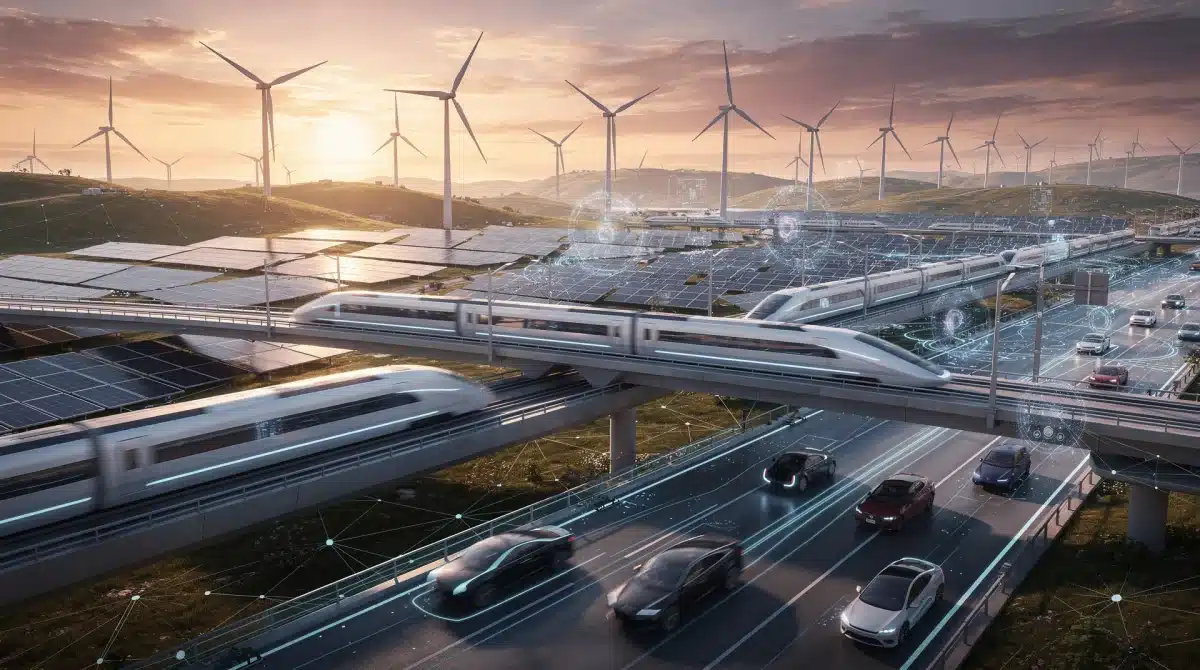
Modernization efforts under the Infrastructure Bill 2026 will also integrate smart technologies, such as intelligent traffic systems and electric vehicle charging infrastructure.
This forward-looking approach ensures that the nation’s transportation networks are prepared for emerging challenges and opportunities.
Modernizing Roadways and Public Transit
A substantial portion of the Infrastructure Bill 2026 funding is dedicated to rehabilitating and expanding America’s vast network of roadways and bridges. Many of these structures are decades old and in dire need of repair, posing safety risks and causing economic inefficiencies.
Simultaneously, public transit systems across the country will receive a much-needed boost, enabling cities to upgrade aging fleets, expand routes, and improve service reliability. This focus on public transportation is crucial for reducing traffic congestion and carbon emissions.
The improvements will not only enhance the physical infrastructure but also integrate digital solutions for better management and user experience. This dual approach is vital for achieving the ambitious goals of the Infrastructure Bill 2026.
- Smart Highways: Implementation of technologies to optimize traffic flow and enhance safety.
- High-Speed Rail: Exploration and development of new high-speed rail corridors to connect major urban centers.
- Electric Vehicle Infrastructure: Expansion of charging stations nationwide to support the growing adoption of EVs.
Enhancing Energy Grids for a Sustainable Future
The Infrastructure Bill 2026 places a strong emphasis on modernizing and strengthening the nation’s energy grids. This critical investment aims to improve reliability, enhance cybersecurity, and facilitate the integration of renewable energy sources on a massive scale.
Aging power lines and outdated substations have historically led to frequent outages and inefficiencies. The bill seeks to address these vulnerabilities, making the grid more resilient to extreme weather events and cyber threats.
Furthermore, the Infrastructure Bill 2026 is a cornerstone in America’s transition to a clean energy economy. By upgrading the grid, it enables a greater deployment of solar, wind, and other renewable technologies, reducing reliance on fossil fuels.
Investing in Renewable Energy Integration
A significant aspect of the Infrastructure Bill 2026 is its commitment to accelerating the adoption of renewable energy. This involves not only funding for new clean energy projects but also the necessary grid upgrades to transmit this power efficiently across the country.
Developing smart grid technologies will be crucial for managing the intermittent nature of renewable sources like solar and wind. These advancements will ensure a stable and reliable power supply, even as the energy mix shifts.
The federal investments will also support energy storage solutions, such as large-scale battery systems, to balance supply and demand fluctuations. These measures are essential for realizing the full potential of renewable energy under the Infrastructure Bill 2026.
- Grid Modernization: Upgrading transmission lines and substations to handle increased capacity and improve resilience.
- Smart Grid Technology: Implementing digital controls and sensors for real-time monitoring and management of energy flow.
- Energy Storage Solutions: Investing in battery storage and other technologies to ensure grid stability with renewable energy.
Economic Impact and Job Creation from Infrastructure Bill 2026
The economic ramifications of the Infrastructure Bill 2026 are projected to be substantial, extending far beyond the immediate construction phase.
Experts anticipate a significant boost to the national economy through job creation, increased productivity, and enhanced global competitiveness.
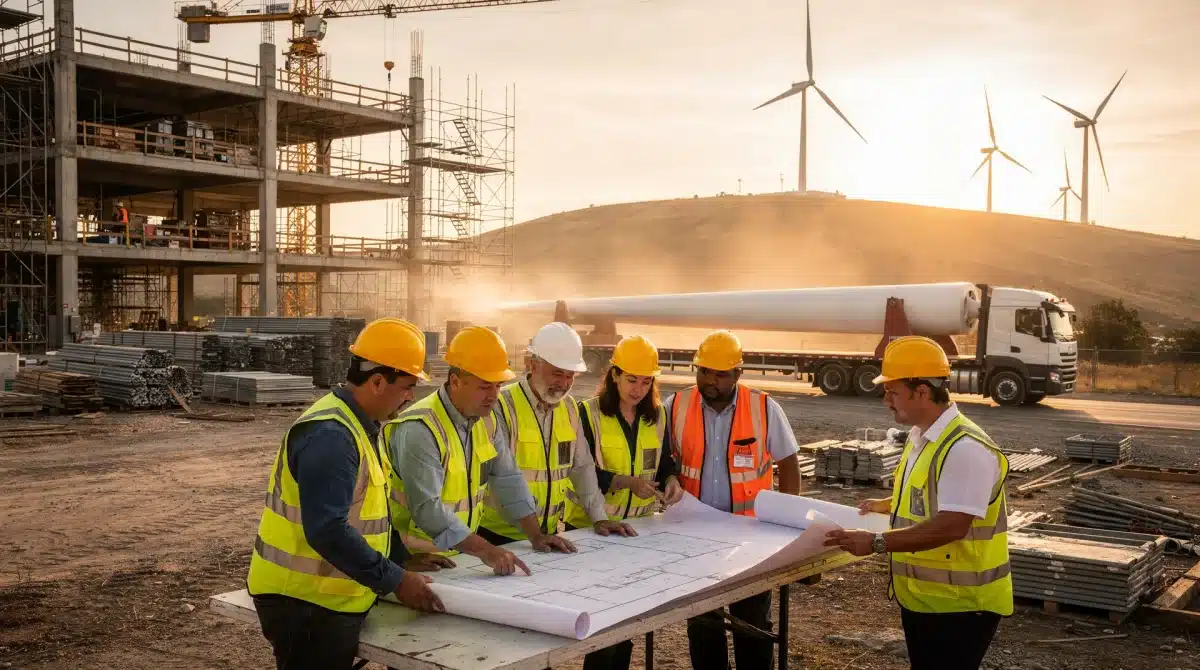
Millions of new jobs are expected across various sectors, including construction, engineering, manufacturing, and technology. This influx of employment opportunities will provide stability and growth for communities nationwide, fostering a robust workforce.
Improved infrastructure reduces transportation costs, enhances supply chain efficiency, and attracts new businesses, all contributing to long-term economic prosperity. The Infrastructure Bill 2026 is therefore seen as a critical driver for sustained economic recovery and expansion.
Long-Term Benefits for American Workers
The jobs created by the Infrastructure Bill 2026 are not merely temporary construction roles; they encompass a wide range of skilled positions, fostering long-term career opportunities. Training programs and apprenticeships are also being supported to ensure a prepared workforce.
These investments will strengthen America’s industrial base, particularly in areas related to clean energy and advanced manufacturing. The focus on domestic production and innovation will further secure supply chains and create sustainable economic advantages.
Ultimately, the Infrastructure Bill 2026 aims to build a more resilient and dynamic economy, capable of adapting to future challenges and seizing new opportunities. This comprehensive approach to infrastructure development is a testament to its transformative potential.
Regional Implications and Local Projects
While the Infrastructure Bill 2026 is a national initiative, its impact will be felt most profoundly at the regional and local levels. Specific projects tailored to the unique needs of different states and communities are already being identified and prioritized.
States are actively developing their plans to utilize federal funds, focusing on critical projects that address local transportation bottlenecks, energy vulnerabilities, and connectivity gaps. This decentralized approach ensures that investments are responsive to diverse regional demands.
Local governments and community organizations are playing a crucial role in identifying priorities and advocating for specific projects. The Infrastructure Bill 2026 promotes collaboration between federal, state, and local entities to maximize the effectiveness of these investments.
Targeted Investments in Rural and Urban Areas
The Infrastructure Bill 2026 includes targeted provisions to address the distinct infrastructure challenges faced by both rural and urban areas. Rural communities will see significant investments in broadband expansion, improving access to essential services and economic opportunities.
Urban centers, on the other hand, will benefit from enhanced public transit, modernized roadways, and smart city technologies designed to alleviate congestion and improve quality of life. These tailored approaches ensure equitable distribution of benefits.
These investments are designed to reduce disparities and foster inclusive growth across the nation. The Infrastructure Bill 2026 is fundamentally about building a more connected and resilient America for everyone.
Challenges and Implementation Hurdles for Infrastructure Bill 2026
Despite its ambitious goals, the implementation of the Infrastructure Bill 2026 faces several significant challenges. Navigating complex regulatory frameworks, securing a skilled workforce, and managing potential supply chain disruptions are among the primary hurdles.
Project delays due to environmental reviews, permitting processes, and local opposition could impact timelines and budgets. Effective coordination among various government agencies and private sector partners will be crucial for overcoming these obstacles.
Maintaining public support and ensuring transparency in project selection and funding allocation will also be vital for the long-term success of the Infrastructure Bill 2026. Careful oversight is necessary to prevent waste and ensure accountability.
Ensuring Efficient and Equitable Deployment
One of the key challenges lies in ensuring that the federal investments are deployed efficiently and equitably across all regions. Developing robust evaluation metrics and performance indicators will help track progress and identify areas needing adjustment.
Addressing potential workforce shortages, particularly in specialized fields like civil engineering and renewable energy technology, will require proactive training and recruitment initiatives. Partnerships with educational institutions and vocational schools are essential.
Ultimately, the success of the Infrastructure Bill 2026 hinges on effective planning, diligent execution, and continuous adaptation to unforeseen circumstances. These efforts are critical to realizing the full transformative potential of the legislation.
Future Outlook: Impact of Infrastructure Bill 2026 on National Resilience
The long-term outlook for the Infrastructure Bill 2026 points towards a more resilient and sustainable nation. By strengthening critical infrastructure, the United States will be better equipped to withstand future economic shocks, natural disasters, and evolving global challenges.
Investments in climate-resilient infrastructure, such as improved flood defenses and hardened energy grids, will protect communities and minimize economic losses from extreme weather events. This proactive approach enhances national security.
Moreover, a modern and efficient infrastructure system fosters innovation and economic dynamism, positioning the U.S. for continued leadership in the 21st century. The Infrastructure Bill 2026 is not just about repairs; it’s about building for the future.
Preparing for Climate Change and Future Demands
A central tenet of the Infrastructure Bill 2026 is its focus on climate resilience. Many projects incorporate design elements and technologies aimed at mitigating the impacts of climate change, from rising sea levels to more frequent severe storms.
The modernization of the energy grid will also play a pivotal role in reducing greenhouse gas emissions, contributing to national and global climate goals. This dual focus on resilience and sustainability is a hallmark of the legislation.
By investing in robust and adaptable infrastructure, the Infrastructure Bill 2026 is laying the groundwork for a more secure and prosperous future for all Americans, safeguarding essential services for generations to come.
| Key Aspect | Description |
|---|---|
| Transportation | Billions for roads, bridges, public transit, and smart mobility. |
| Energy Grids | Investments in grid modernization, resilience, and renewable integration. |
| Economic Impact | Significant job creation and economic stimulation nationally. |
| Future Resilience | Enhancing national capacity to withstand future challenges. |
Frequently Asked Questions about Infrastructure Bill 2026
The primary goal of the Infrastructure Bill 2026 is to modernize and enhance the United States’ transportation and energy infrastructure. This includes improving roads, bridges, public transit, and upgrading the national energy grid for greater resilience and sustainability, driving economic growth and creating jobs across the nation.
The bill allocates substantial funds to repair and rebuild roads and bridges, expand and modernize public transit systems, and invest in electric vehicle charging infrastructure. It aims to create a more efficient, safer, and environmentally friendly transportation network for both people and goods, preparing for future demands.
The Infrastructure Bill 2026 will significantly invest in upgrading the national energy grid, focusing on improving its reliability, cybersecurity, and capacity to integrate renewable energy sources. This modernization effort is crucial for reducing power outages, enhancing energy security, and facilitating the transition to a clean energy economy.
The bill is projected to generate millions of jobs in construction, engineering, and manufacturing sectors. It is also expected to boost economic productivity by reducing transportation costs, improving supply chain efficiency, and attracting new businesses, contributing to long-term national economic growth and stability.
Implementation challenges include navigating complex regulations, potential workforce shortages, and supply chain disruptions. Effective coordination among federal, state, and local entities, along with transparent oversight, will be essential to ensure efficient and equitable deployment of funds and successful project completion.
Looking Ahead
The Infrastructure Bill 2026 is more than just a legislative package; it is a blueprint for America’s future. Its comprehensive approach to infrastructure modernization sets the stage for decades of growth, resilience, and sustainability.
As projects begin to take shape, continued vigilance and public engagement will be crucial to ensure the successful realization of its ambitious goals, ultimately shaping a more robust and efficient nation.