Navigate 2026 Social Security Changes: What the 3.2% COLA Increase Means for Your Monthly Benefits

Latest developments on Navigate 2026 Social Security Changes: What the 3.2% COLA Increase Means for Your Monthly Benefits, with key facts, verified sources and what readers need to monitor next in Estados Unidos, presented clearly in Inglês (Estados Unidos) (en-US).
Navigate 2026 Social Security Changes: What the 3.2% COLA Increase Means for Your Monthly Benefits is shaping today’s agenda with new details released by officials and industry sources. This update prioritizes what changed, why it matters and what to watch next, in a straightforward news format.
The announcement of a 3.2% Cost-of-Living Adjustment (COLA) for 2026 Social Security benefits marks a significant development for millions of Americans. This adjustment is designed to help beneficiaries keep pace with inflation, directly impacting their financial stability and purchasing power.
Understanding the intricacies of this COLA increase is crucial for current and future retirees, as well as individuals receiving disability or survivor benefits. This article provides an in-depth look at what the 3.2% COLA means for your monthly payments, offering clear insights into the implications of these changes.
As we delve into the specifics, we will explore the factors driving this adjustment, how it compares to previous years, and what steps beneficiaries can take to effectively navigate these 2026 Social Security changes. The goal is to equip you with the knowledge needed to make informed financial decisions.
Understanding the 2026 Social Security COLA Increase
The Cost-of-Living Adjustment (COLA) is a critical mechanism designed to protect the purchasing power of Social Security benefits. For 2026, the projected 3.2% COLA increase reflects ongoing economic conditions, particularly inflation trends affecting everyday expenses for retirees and other beneficiaries.
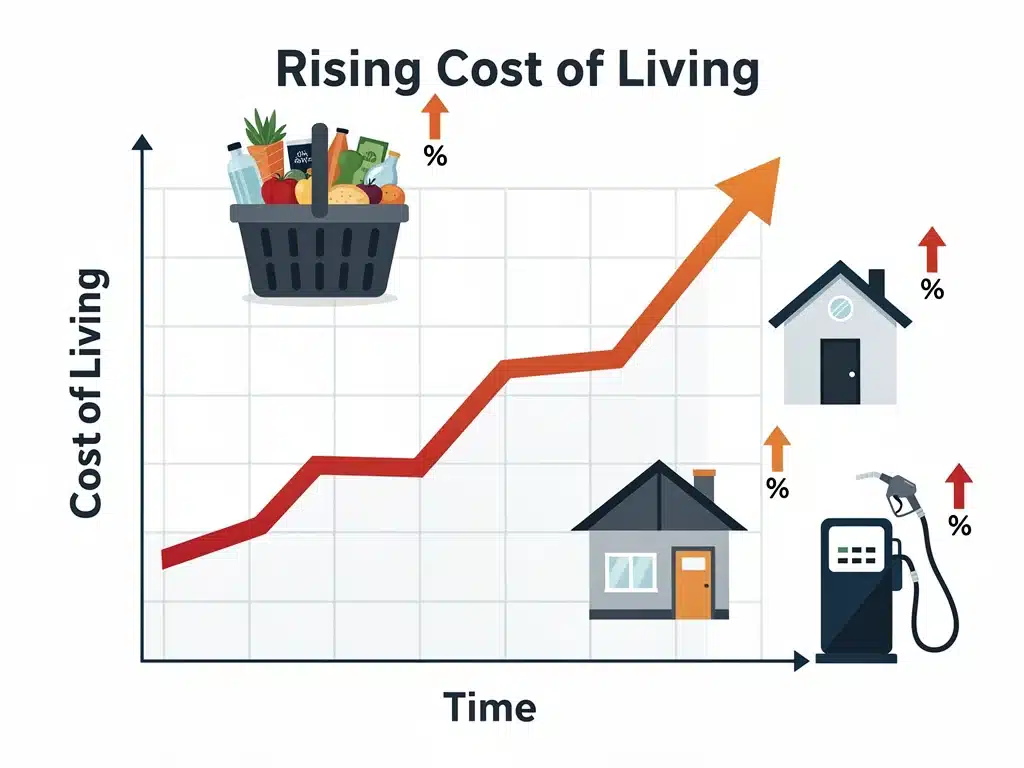
This adjustment is not a discretionary bonus but a necessary response to the rising cost of goods and services. It ensures that the fixed incomes of Social Security recipients do not erode significantly over time, allowing them to maintain a reasonable standard of living.
The methodology for calculating the COLA involves specific economic indicators, primarily the Consumer Price Index for Urban Wage Earners and Clerical Workers (CPI-W). Understanding this calculation helps clarify why the 2026 Social Security COLA increase has been set at 3.2% and its direct impact on individual benefits.
The Social Security Administration (SSA) officially announces the COLA each October, based on the inflation data from the third quarter of the current year. This annual adjustment is a cornerstone of the Social Security program, aiming to provide financial stability for beneficiaries.
While the 3.2% increase for 2026 is a projection based on current economic forecasts, it offers a strong indication of what beneficiaries can expect. Final figures are always subject to slight adjustments until the official announcement, but the underlying trend remains clear regarding the need to navigate 2026 Social Security changes.
This adjustment is particularly important as it directly translates into higher monthly checks for eligible individuals, helping to offset the rising costs of essentials like food, housing, and healthcare. The goal is to maintain the real value of benefits over time.
How the 3.2% COLA Impacts Your Monthly Benefits
A 3.2% COLA increase means that for every $1,000 in monthly Social Security benefits, you can expect an additional $32. This translates to a direct boost in your monthly income, which can significantly affect your household budget and financial planning.
For individuals receiving the average Social Security retirement benefit, this increase will add a noticeable amount to their checks. This additional income helps mitigate the impact of inflation, allowing beneficiaries to better afford their daily expenses.
It’s important to remember that while the COLA increases your gross benefit, other factors like Medicare Part B premiums can also adjust annually. These premiums are often deducted directly from Social Security payments, potentially affecting the net increase retirees see.
Calculating Your New Social Security Benefit
To estimate your new monthly benefit, simply multiply your current benefit amount by 1.032. For example, if you currently receive $1,800 per month, your new benefit would be $1,800 * 1.032 = $1,857.60. This straightforward calculation helps beneficiaries understand the direct financial impact of the 2026 Social Security changes.
This calculation applies to all types of Social Security benefits, including retirement, disability, and survivor benefits. The percentage increase is universal across all beneficiaries, ensuring fairness in the adjustment process. This uniform application is a key aspect of how the Social Security system operates.
Factors Influencing the COLA Percentage
- Inflation Data (CPI-W): The primary driver of the COLA is the Consumer Price Index for Urban Wage Earners and Clerical Workers (CPI-W). This index measures the average change over time in the prices paid by urban consumers for a market basket of consumer goods and services.
- Economic Conditions: Broader economic trends, such as energy costs, housing prices, and healthcare expenses, all contribute to the inflation rate reflected in the CPI-W. These factors directly influence the final COLA percentage.
- Historical Precedent: While each year’s COLA is unique, past adjustments provide context for understanding the current 3.2% increase. Historical data helps analysts predict future trends and assess the adequacy of current adjustments.
Navigating Potential Adjustments to Other Benefits
The 2026 Social Security changes, particularly the COLA increase, can have ripple effects on other income-based benefits and programs. Beneficiaries need to be aware of these potential interactions to avoid unexpected reductions in other crucial support.
Many state and federal programs, such as Medicaid, Supplemental Nutrition Assistance Program (SNAP), and housing assistance, have income thresholds. An increase in Social Security benefits could push some individuals above these limits, potentially affecting their eligibility.
It is advisable for beneficiaries to review the income requirements for any other assistance programs they receive. Proactive communication with program administrators can help clarify how the 3.2% COLA increase might impact their overall benefit package and allow them to navigate 2026 Social Security changes effectively.
While the COLA is designed to maintain purchasing power, its interaction with other benefit programs sometimes creates a complex scenario. Understanding these dynamics is essential for comprehensive financial planning. The goal is to ensure that beneficiaries are not inadvertently disadvantaged by an increase in one benefit.
The impact on Medicare Part D premiums is another significant consideration. Historically, these premiums are often deducted directly from Social Security checks, and their annual adjustment can offset some of the COLA increase. Beneficiaries aged 65 and older should pay close attention to Medicare premium announcements.
Furthermore, some state-specific benefit programs might have different thresholds or calculation methods. Residents in various states should consult their local social services agencies to understand any localized impacts of the 2026 Social Security changes on their benefits.
Long-Term Outlook for Social Security and COLA
The long-term outlook for Social Security remains a topic of ongoing discussion and analysis, particularly concerning the sustainability of future COLAs. The 3.2% increase for 2026 is a snapshot of current economic conditions, but broader demographic and economic trends will shape future adjustments.
The solvency of the Social Security trust funds is regularly reviewed by the Board of Trustees, who issue annual reports detailing projections for the program’s financial health. These reports often highlight the need for legislative action to ensure the long-term viability of benefits.
Future COLAs will continue to be tied to inflation, but the underlying economic growth and the balance between the number of contributors and beneficiaries will play a crucial role in the program’s overall strength. This makes understanding the long-term trends vital for beneficiaries as they navigate 2026 Social Security changes and beyond.
Demographic Shifts and Program Solvency
The aging of the U.S. population and lower birth rates mean fewer workers are contributing per retiree, putting pressure on the Social Security system. These demographic shifts are a key factor in long-term solvency discussions and potential future reforms, impacting how future COLAs might be funded.
Legislative proposals aimed at shoring up Social Security’s finances often include various options, such as adjusting the full retirement age, modifying the COLA calculation, or increasing the Social Security tax rate or the amount of earnings subject to the tax. These discussions are critical for the program’s future.
Economic Projections and Future COLAs
- Inflation Volatility: Future COLAs will heavily depend on future inflation rates, which can be volatile due to global economic events, supply chain disruptions, and fiscal policies. Predicting these rates accurately over the long term is challenging.
- Wage Growth: Strong wage growth can contribute to higher tax revenues for Social Security, potentially easing some financial pressures. Conversely, stagnant wages could exacerbate funding challenges, affecting the ability to sustain robust COLAs.
- Government Policy: Legislative changes to the Social Security formula or funding mechanisms could directly alter how COLAs are calculated or applied in the future. These policy decisions are crucial for the program’s longevity and impact beneficiaries’ ability to navigate 2026 Social Security changes.
Expert Analysis and Recommendations
Financial experts emphasize the importance of viewing the 3.2% COLA increase within the broader context of personal financial planning. While beneficial, it may not fully cover all individual cost increases, especially for those with specific healthcare needs or housing expenses.
Advisors recommend that beneficiaries use this COLA increase as an opportunity to reassess their budgets and retirement strategies. This includes reviewing investment portfolios, re-evaluating spending habits, and exploring additional income streams if necessary.
For those still planning for retirement, the 2026 Social Security changes highlight the need for a diversified retirement savings strategy that doesn’t solely rely on Social Security benefits. This approach provides greater financial resilience against unpredictable economic shifts.
Strategies for Maximizing Your Benefits
One key recommendation is to delay claiming Social Security benefits if financially feasible, as this can lead to significantly higher monthly payments. Each year you delay past your full retirement age, up to age 70, increases your benefit amount, a strategy that complements COLA adjustments.
Another strategy involves understanding how working in retirement might affect your benefits, particularly if you are below your full retirement age. Earnings limits can reduce benefits, though these reductions are typically restored once you reach full retirement age. This knowledge is vital to navigate 2026 Social Security changes effectively.
Consulting Financial Professionals
Engaging with a qualified financial advisor can provide personalized guidance tailored to your specific situation. They can help you understand the nuances of the 3.2% COLA increase, its interaction with other benefits, and how to optimize your overall financial plan to navigate 2026 Social Security changes.
Advisors can also assist in projecting future income needs, evaluating investment options, and ensuring that your estate planning aligns with your long-term financial goals. Their expertise is invaluable in making informed decisions for your retirement years.

Comparing 2026 COLA to Historical Adjustments
The 3.2% COLA for 2026, while significant, should be viewed in comparison to historical adjustments to understand its relative impact. Social Security COLAs have varied widely over the decades, reflecting different economic environments and inflationary pressures.
In recent years, COLAs have seen both substantial increases, like the 5.9% for 2022 and 8.7% for 2023, and periods of very low or even zero increases. These fluctuations underscore the dynamic nature of economic conditions and their direct influence on beneficiary incomes.
Analyzing past trends helps beneficiaries contextualize the current 3.2% increase and anticipate future possibilities. This historical perspective is crucial for effective long-term financial planning and understanding the ongoing effort to help beneficiaries navigate 2026 Social Security changes.
Recent COLA Trends
The higher COLAs in 2022 and 2023 were a direct response to a surge in inflation driven by pandemic-related supply chain issues and increased consumer demand. The 3.2% for 2026 suggests a moderation in inflation compared to those peak years, though still reflecting persistent cost pressures.
Prior to these significant increases, COLAs were often much lower, sometimes less than 1% or even zero in certain years when inflation was minimal. These periods highlighted the challenges faced by beneficiaries when their fixed incomes did not keep pace with any rising costs.
Implications of Varying COLA Rates
- Purchasing Power Erosion: Low or zero COLAs can lead to a gradual erosion of purchasing power over time, forcing beneficiaries to make difficult choices about their spending. This makes higher COLAs, like the 2026 Social Security changes, particularly welcome.
- Budgeting Challenges: Fluctuating COLA rates create budgeting challenges for retirees, who must adapt their spending to unpredictable income adjustments. Consistent, though moderate, increases offer more stability.
- Healthcare Costs: One persistent challenge is that healthcare costs often rise faster than the general inflation measured by the CPI-W, potentially diminishing the real value of COLA increases for many seniors.
Eligibility and Receiving Your Increased Benefits
To be eligible for the 3.2% COLA increase, you must be receiving Social Security benefits. This includes retirement benefits, survivor benefits, and disability benefits. The increase will automatically be applied to your monthly payment, with no action required on your part.
The Social Security Administration typically sends out notices in December detailing your new benefit amount for the upcoming year. These statements confirm your eligibility and provide a clear breakdown of your adjusted payment.
If you have any questions about your eligibility or the calculation of your new benefit, the SSA website and local offices are valuable resources. They can provide personalized information and assistance to help you navigate 2026 Social Security changes effectively.
When to Expect Your First Increased Payment
The increased benefits reflecting the 3.2% COLA typically begin with the payments issued in January of the COLA year. For the 2026 COLA, beneficiaries should expect their first adjusted payment in January 2026. This timing is consistent across all Social Security programs.
It’s important to monitor your bank statements or direct deposit notifications to confirm that the new amount has been applied correctly. Any discrepancies should be promptly reported to the Social Security Administration for investigation and correction.
Ensuring Your Information is Up-to-Date
- Address Changes: Ensure your mailing address with the SSA is current, especially if you prefer to receive paper statements. An outdated address could cause delays in receiving important notifications about your benefits.
- Direct Deposit Information: Verify that your direct deposit information is accurate to prevent any interruptions in receiving your monthly payments. The SSA prefers direct deposit for its security and efficiency.
- my Social Security Account: Regularly check your personal my Social Security account online. This portal provides access to your benefit statements, earnings records, and allows you to manage your information securely. It’s an invaluable tool to navigate 2026 Social Security changes.
Impact on Future Retirement Planning
The 2026 Social Security changes, particularly the 3.2% COLA, underscore the dynamic nature of retirement planning. For those still years away from retirement, this adjustment reinforces the importance of incorporating potential COLA increases, as well as inflation, into their long-term financial models.
Understanding how COLAs work and their impact on future benefits allows prospective retirees to make more accurate projections about their retirement income. This foresight is crucial for setting realistic savings goals and investment strategies.
Future retirement planning should also consider the broader economic environment that influences COLA rates. Factors like interest rates, economic growth, and global events can all play a role in how Social Security benefits evolve over time, making it essential to adapt plans to navigate 2026 Social Security changes successfully.
Adjusting Savings Goals
While Social Security provides a foundation, it is rarely sufficient to cover all retirement expenses. The 3.2% COLA increase for 2026 serves as a reminder to consistently review and potentially adjust personal savings goals, ensuring they align with anticipated living costs and lifestyle expectations.
Many financial experts advise aiming for 70-80% of pre-retirement income in retirement, with Social Security typically covering only a portion of that. Personal savings, pensions, and investments are vital components to bridge the gap and provide a comfortable retirement.
Considering Inflation’s Role
Inflation is a persistent challenge to retirement security. The COLA is designed to counteract this, but it’s important for individuals to build inflation protection into their personal investment strategies. This might involve assets that historically perform well during inflationary periods.
Understanding the interplay between inflation, COLAs, and your personal investments is key to maintaining purchasing power throughout your retirement years. This proactive approach helps secure your financial future beyond the annual adjustments to Social Security benefits. This understanding helps all beneficiaries navigate 2026 Social Security changes.
| Key Point | Brief Description |
|---|---|
| 2026 COLA Increase | Social Security benefits projected to increase by 3.2% for 2026, based on inflation. |
| Impact on Benefits | Direct increase in monthly payments, helping to offset rising cost of living. |
| Other Benefits Affected | Potential adjustments to income-based programs and Medicare Part B premiums. |
| Financial Planning | Beneficiaries should review budgets and consider diversified retirement savings strategies. |
Frequently Asked Questions About 2026 Social Security Changes
The 2026 Social Security COLA (Cost-of-Living Adjustment) is a projected 3.2% increase in monthly Social Security benefits. This adjustment is designed to help beneficiaries maintain their purchasing power in the face of inflation, ensuring that their fixed incomes keep pace with rising costs for everyday goods and services.
Your monthly Social Security check will increase by 3.2%. For example, if you currently receive $1,500 per month, your new benefit would be $1,500 * 1.032 = $1,548. This direct increase aims to offset the impact of inflation on your disposable income and help beneficiaries navigate 2026 Social Security changes.
The 2026 COLA increase will take effect with the Social Security payments issued in January 2026. Beneficiaries will typically receive a notice in December 2025 detailing their new benefit amount. This adjustment is automatic and requires no action from the beneficiary to navigate 2026 Social Security changes.
Yes, an increase in your Social Security benefits could potentially affect your eligibility for other income-based government programs like Medicaid, SNAP, or housing assistance. It is crucial to review the income thresholds for any other benefits you receive and consult with program administrators to understand any potential changes.
Official information regarding the 2026 Social Security changes, including the final COLA announcement, will be available on the Social Security Administration’s (SSA) official website. You can also access personalized benefit statements and manage your information through your my Social Security online account to navigate 2026 Social Security changes.
Looking Ahead
The 2026 Social Security changes, specifically the 3.2% COLA increase, represent a vital adjustment for millions of beneficiaries. This increase aims to preserve purchasing power against inflationary pressures, directly impacting monthly benefits. It is imperative for individuals to stay informed about these developments and understand their personalized implications. As economic conditions continue to evolve, ongoing monitoring of official announcements from the Social Security Administration will be crucial to effectively navigate 2026 Social Security changes and plan for financial security in retirement.